In the rush to get the LVCC Loop ready for a major conference in 2021, concern grows about the potential of the project to damage the existing Las Vegas monorail system.


Mark Harris reports:
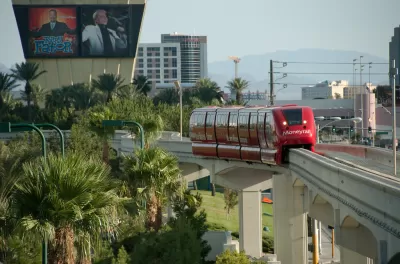
The latest bout in Las Vegas is not taking place in a raucous casino boxing ring, but in the hushed rooms of planning committees. The reigning champion, the Las Vegas Monorail, is facing upstart challenger The Boring Company, in a fight to decide the future of Sin City’s urban transportation.
Harris has the scoop on what is known about the plans for the LVCC Loop so far, gathered from construction plans already supplied to the city for review. The project is moving fast. The contract, announced in May, calls for the LVCC Loop to be up and running in time for the CES trade show in 2021.
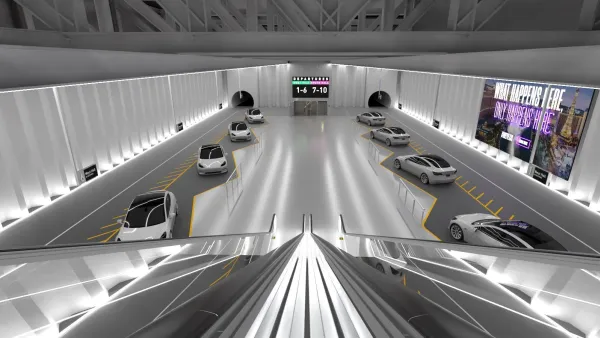
"Over the next 18 months, [The Boring Company] has to construct one pedestrian tunnel, two 0.8-mile vehicle tunnels and three underground stations, as well as modify and test seven-seater Tesla cars to carry up to 16 people," according to Harris.
But there is one big problem: officials with the Las Vegas Monorail system believe that LVCC Loop tunnel poses a significant risk to both vertical and lateral loads on the monorail system. A letter to The Boring Company and CCed to Clark County Officials, sent in June from Curtis Myles, CEO of the Las Vegas Monorail, spells out the risks.
According to Harris, the Winchester Town Board of Clark County, which has design approval power for the LVCC Loop, has required The Boring Company the to participate in regular coordination with the Monorail and the city’s Public Works department.
Aaron Gordon provides additional coverage of the big reveal, raising more questions about the viability of Musk's Las Vegas adventures.
FULL STORY: It's fight night in Las Vegas: Elon Musk's Loop vs. the Monorail

The Boring Company Coming Up Short of Expectations in Las Vegas
It seems like the Las Vegas Convention and Visitor’s Authority expected trouble with The Boring Company, and built a contract that will impact Elon Musk's bottom line for falling short of agreed system capacity and construction timelines.
Public Underwhelmed by Latest Look at the Boring Company's Work in Las Vegas
Elon Musk poked the transit planning community on social media last week with a rendering of the forthcoming Las Vegas Convention Center Loop tunnel.

Tesla’s Self-Driving Still Not Working in Las Vegas Tunnels
The Boring Company had previously said it was working with Tesla to use its self-driving system in its tunnels below Las Vegas to save costs on drivers, but two years later, there is no clear timeline for “full autonomy.”

The state-sanctioned urbicide of Austin
People don’t kill cities. Freeways do.

US to reduce Colorado River water deliveries to Mexico
A new Colorado Treaty amendment reduces Mexico’s Colorado River water allocation by 250,000 acre feet.

New Jersey’s second-largest city bans standalone data centers
Jersey City will continue to allow co-location facilities, such as those meant for research institutions that store their own data.

Amtrak not solely to blame for New Jersey commuter rail's unreliability, report finds
A new study from the Garden State Initiative found that NJ Transit’s budget grew 20% across a 4 year period, but reliability declined significantly over the same period.

EPA erases limits on planet-warming pollution from power plants
Under Monday’s plan, power plants would still have some limits on how much mercury, arsenic and other contaminants they can emit.

Phoenix announces new on-demand transit service, more frequent RAPID buses
Both new services will launch in October, and are part of Phoenix's Project Effective Access Solutions for Easing Congestion.

FREE Course: Walkable City 1: Why Walkability?
After describing his path towards focusing on walkability as the essence of good planning, Jeff Speck marches through his five principal reasons for making more walkable places.
Reinventing Malls: Planning Alchemy—Turning Gray Fields Into Gold
The course focuses on the opportunities and imperatives that shape reinvention of mall sites.

Eagle County Government
Harvard University Graduate School of Design
Nashville Planning Department
The Architects Foundation
University of Cincinnati Online
The Pocatello Development Authority
The Urban Renewal Agency of the City of Pocatello
Journal of the American Planning Association