Washington, D.C. continues its leadership in the management of curb space as transportation modes change. First, the District experimented with curb areas for ride-hailing companies; now the focus shifts to app-based delivery services.


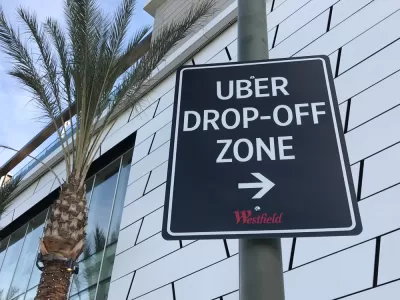
The Washington, D.C. District of Transportation (DDOT) is adding features to its curbside management program, dubbed the curbside pickup-dropoff (PUDO) program.
According to an article by Katie Pyzyk, the new innovations in the program focus on commercial curb scape activity.
"DDOT partnered with mobility company curbFlow to research and analyze demand at nine locations where commercial delivery pickup-dropoff activities often result in double parking. Starting Aug. 1, parking will be removed at these locations for 12 weeks to create commercial loading zones where study participants will use a free app to coordinate curb time," according to Pyzyk.
"Analysts at curbFlow will collect data to determine curb space safety, utilization, productivity and equitable access. The study will help DDOT understand the changing delivery landscape and inform decisions about curb space use policies," adds Pyzyk.
As noted in the article, Washington, D.C. was one of the first to launch a program to manage curb space for transportation network companies (also referred to as ride-hailing companies). The new aspects of the program retain one critical element of the program's previous focus on TNCs: personal vehicles used for commercial services. The newly announced focus of the program will deal with app-based food, alcohol, grocery, convenience store and other goods delivery services that often use the same model, explains Pyzyk.
FULL STORY: DC launches curb space pilot for commercial deliveries

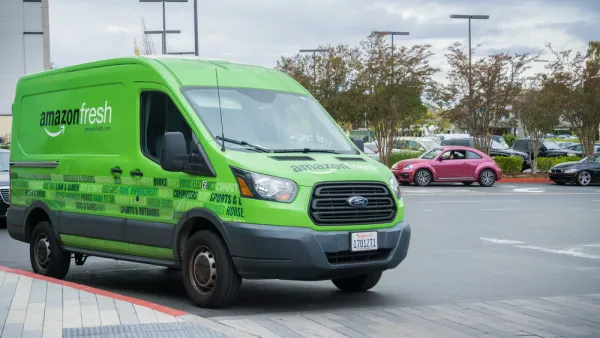
Delivery Drivers Can Reserve Curb Space Ahead of Time in D.C.
An innovative pilot project is under way in Washington, D.C., which is pursuing radical steps to rethink the use of on-street curb spaces in an era of transformative transportation technology.
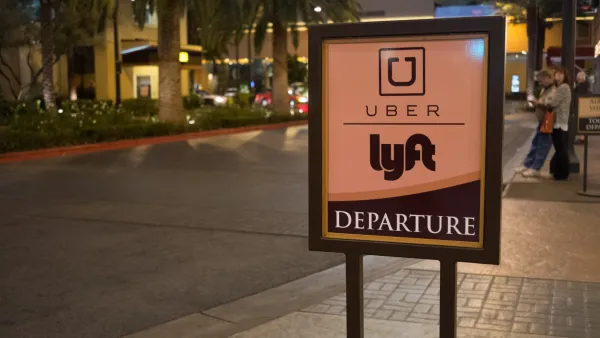
More Cities Replacing Parking With Drop-Off Zones for Ride-Hailing Companies
More than one city has ditched parking in response to the congestion and conflicts created by ride-hailing pick-ups and drop-offs .

D.C. Removes Parking Spaces to Make Room for Late-Night Ride Hailing
Fewer parking spaces, more sober rides home. Sounds like a recipe for a good night out.

Planetizen Federal Action Tracker
A weekly monitor of how Trump’s orders and actions are impacting planners and planning in America.

The state-sanctioned urbicide of Austin
People don’t kill cities. Freeways do.

US to reduce Colorado River water deliveries to Mexico
A new Colorado Treaty amendment reduces Mexico’s Colorado River water allocation by 250,000 acre feet.

5 New England states march closer to 800 megawatt wind energy project
Securing federal approval for the project may be complicated under the Trump administration, which has historically been hostile towards domestic wind power.

Baltimore to break ground on $50 million Transit Priority Project
The project will bring faster bus trips, safer streets and better bike connections to Baltimore.

Airbnb launches $250 million 'last-dollar financing' housing accelerator, makes first investment in Austin
The company will put $6.4 million towards affordable housing development in Texas’ capital.

FREE Course: Walkable City 1: Why Walkability?
After describing his path towards focusing on walkability as the essence of good planning, Jeff Speck marches through his five principal reasons for making more walkable places.
Reinventing Malls: Planning Alchemy—Turning Gray Fields Into Gold
The course focuses on the opportunities and imperatives that shape reinvention of mall sites.

Eagle County Government
Harvard University Graduate School of Design
Nashville Planning Department
The Architects Foundation
University of Cincinnati Online
The Pocatello Development Authority
The Urban Renewal Agency of the City of Pocatello
Journal of the American Planning Association