Neighborhoods in Philadelphia are undergoing rapid, unprecedented change. Proposed legislation would ban the architectural signifiers of that change.


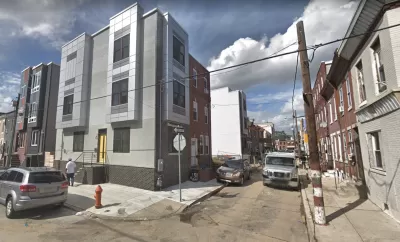
Philadelphia City Councilmember Kenyatta Johnson leads a quickly gentrifying corner of the city, South Philadelphia, and after recently concluding a smooth reelection campaign, the councilmember is proposing legislation to regulate construction in the district.
As reported by Caitlin McCabe, Councilmember Johnson's proposed actions include a ban balconies and bay windows: "The two architectural features would still be allowed outside of those two neighborhoods, but according to the bill, the distance from which they can project from a building would continue to be regulated."
McCabe provides context and describes the significance of these architectural features in the political debate around gentrification and a changing city:
Johnson’s legislation comes amid unprecedented change in his district, which stretches from the fast-gentrifying neighborhoods of Graduate Hospital and Point Breeze, to areas farther south and west, including the Navy Yard and Eastwick. Thousands of new rowhouses have been built, adding taller and showier structures to older and modest rowhouse blocks. The boxy, bump-out bay windows that Johnson aims to legislate have become a well-known architectural feature of Philadelphia’s construction boom, just as aluminum siding and roof decks have.
Neighborhood advocates see these architectural features as signifiers of gentrification and displacement. Others worry that such protrusions from building facades will destroy the character of existing neighborhoods. The political intrigue surrounding development in South Philadelphia and the controversies of Councilmember Johnson's time in office are thoroughly detailed in the article.

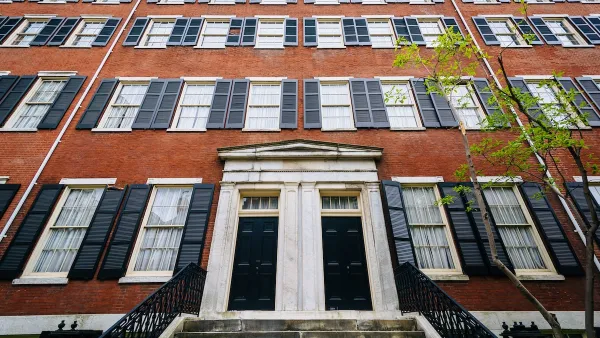
Philly Residents Push Back on New Historic Preservation District
Some residents of Philadelphia’s newly designated Washington Square West Historic District say the community was left out of the decision-making process that could impact housing costs and building requirements.
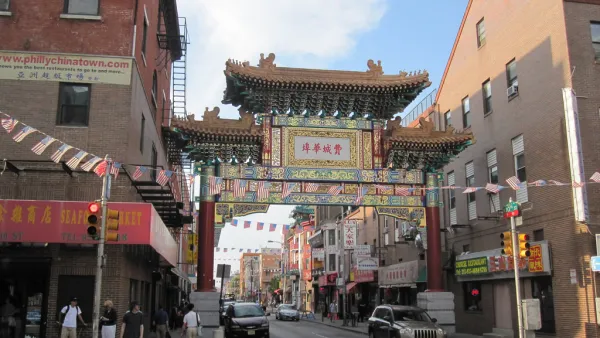
Equitable Development Plan Aims To Protect Philly's Chinatown
As the historic neighborhood experiences increased redevelopment around the new Rail Park, community activists are working to ensure older residents and businesses aren't displaced in the process.
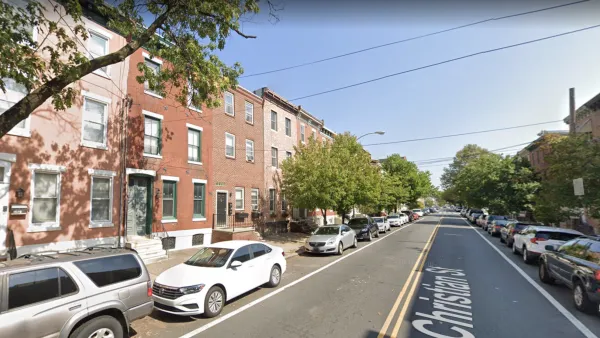
Preservation Blind Spot Apparent on Philly's Black 'Doctor's Row'
Christian Street, known at the beginning of the 20th century as the Black "Doctor's Row" should have been on the Historic Register years ago, according to this article.

Planetizen Federal Action Tracker
A weekly monitor of how Trump’s orders and actions are impacting planners and planning in America.

The state-sanctioned urbicide of Austin
People don’t kill cities. Freeways do.

US to reduce Colorado River water deliveries to Mexico
A new Colorado Treaty amendment reduces Mexico’s Colorado River water allocation by 250,000 acre feet.

5 New England states march closer to 800 megawatt wind energy project
Securing federal approval for the project may be complicated under the Trump administration, which has historically been hostile towards domestic wind power.

Baltimore to break ground on $50 million Transit Priority Project
The project will bring faster bus trips, safer streets and better bike connections to Baltimore.

Airbnb launches $250 million 'last-dollar financing' housing accelerator, makes first investment in Austin
The company will put $6.4 million towards affordable housing development in Texas’ capital.

FREE Course: Walkable City 1: Why Walkability?
After describing his path towards focusing on walkability as the essence of good planning, Jeff Speck marches through his five principal reasons for making more walkable places.
Reinventing Malls: Planning Alchemy—Turning Gray Fields Into Gold
The course focuses on the opportunities and imperatives that shape reinvention of mall sites.

Eagle County Government
Harvard University Graduate School of Design
Nashville Planning Department
The Architects Foundation
University of Cincinnati Online
The Pocatello Development Authority
The Urban Renewal Agency of the City of Pocatello
Journal of the American Planning Association