Current Texas law grants state representatives significant power over whether affordable developments receive federal tax credits. Controversially, several representatives have proposed the reduction of their own authority in that regard.


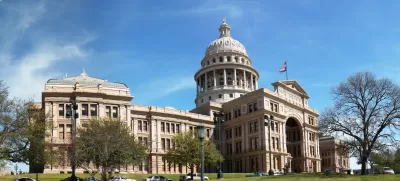
Texas has long been a key stage for debates over fair housing, as in the controversy over "disparate impact" that led to a landmark Supreme Court affirmation of civil rights law in 2015 (and subsequent doubts over the future of Obama-era reforms). This year, Jared Brey writes, housing groups and a number of state representatives want to rework the state assessment process for federal Low-Income Housing Tax Credit (LIHTC) applications.
"Currently, state representatives have a lot of sway over proposed development via letters submitted during the assessment process," Brey writes. He goes on, "That power has been used to reinforce patterns of residential segregation in Texas that have been the subject of legal battles for years. [...] Even in the most innocent scenarios, state representatives' support has a very loose connection to the merits of a project, housing advocates say." Less innocent allegations include the political entrenchment of racist attitudes and outright bribery.
Several state reps are currently trying to remove the letters from LIHTC scoring criteria, Brey says. "Proponents of the new bills hope that the recent high-profile examples of state representatives blatantly misusing their influence over low-income housing projects will give the legislation a better chance of passing this year."
FULL STORY: Some Texas Lawmakers Are Trying to Deflate Their Housing Power

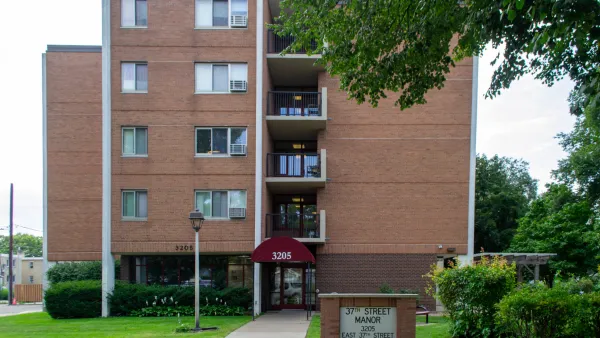
HUD to Investigate Minneapolis Over Allegations of ‘Racial and Ethnic Favoritism’ in Housing Policy
The Trump administration says the city’s housing policies and support of ‘cultural districts’ are racially discriminatory, while city leaders call the investigation politically motivated.

In Defense of Asian American Neighborhoods
How do you address a history of anti-Asian housing discrimination? Not by destroying Asian American communities.
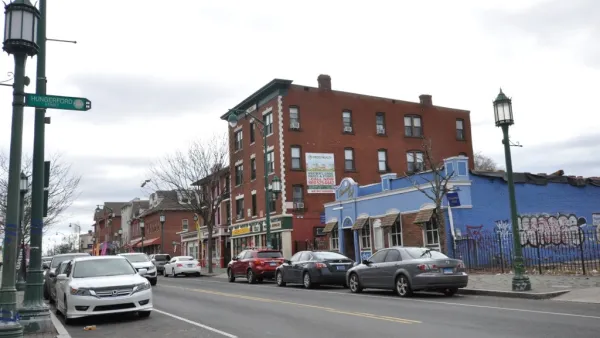
Low-Income Housing Tax Credits: 'Erecting Pockets of Poverty'
The state of Connecticut deploys almost all of its federal housing funding in impoverished communities, according to this bombshell investigatory report.

Planetizen Federal Action Tracker
A weekly monitor of how Trump’s orders and actions are impacting planners and planning in America.

The state-sanctioned urbicide of Austin
People don’t kill cities. Freeways do.

US to reduce Colorado River water deliveries to Mexico
A new Colorado Treaty amendment reduces Mexico’s Colorado River water allocation by 250,000 acre feet.

Mamdani overhauls NYC's Vision Zero plan with 100 new policy goals
The overhaul aims to reduce traffic deaths and make streets safer for pedestrians, cyclists and drivers through lower speed limits, new safety infrastructure and more.

Amtrak not solely to blame for New Jersey commuter rail's unreliability, report finds
A new study from the Garden State Initiative found that NJ Transit’s budget grew 20% across a 4 year period, but reliability declined significantly over the same period.

EPA erases limits on planet-warming pollution from power plants
Under Monday’s plan, power plants would still have some limits on how much mercury, arsenic and other contaminants they can emit.

FREE Course: Walkable City 1: Why Walkability?
After describing his path towards focusing on walkability as the essence of good planning, Jeff Speck marches through his five principal reasons for making more walkable places.
Reinventing Malls: Planning Alchemy—Turning Gray Fields Into Gold
The course focuses on the opportunities and imperatives that shape reinvention of mall sites.

Eagle County Government
Harvard University Graduate School of Design
Nashville Planning Department
The Architects Foundation
University of Cincinnati Online
The Pocatello Development Authority
The Urban Renewal Agency of the City of Pocatello
Journal of the American Planning Association