In the run-up to a municipal primary scheduled for May 21, Philadelphia's City Council has introduced a range of bills to address housing affordability and tenants' rights.


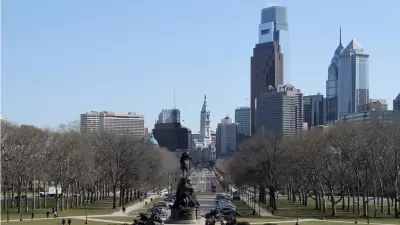
"Since 2015, the last time Philadelphians elected a new mayor and City Council, cities around the United States have begun trying to address their housing crises with a variety of housing policies," Jared Brey writes. With a May primary election on the horizon, Philadelphia councilmembers have put forward five bills touching on the issue.
One of them draws on ongoing conversations about inclusionary zoning. It would "require that any public land that is sold for multifamily development set aside at least a third of the units for low-income tenants," essentially mandating inclusionary policies on city-owned land, but only for multifamily developments and not single-family ones.
Another bill takes its inspiration from Councilmember Helen Gym's pilot Philadelphia Eviction Prevention Project, proposing a Low-Income Tenant Legal Defense Fund that could, according to one report, save $45.2 million per year in costs attributable to homelessness and related issues for an annual outlay of only $3.5 million.
Other bills include legislation to restrict what kind of background information landlords can access, to establish an affordable housing tax credit, and to stipulate that ads for rental listing services include city rental license numbers.
FULL STORY: Philadelphia Sees Election Season Housing Push

Philadelphia Searching for New Affordable Housing Tools
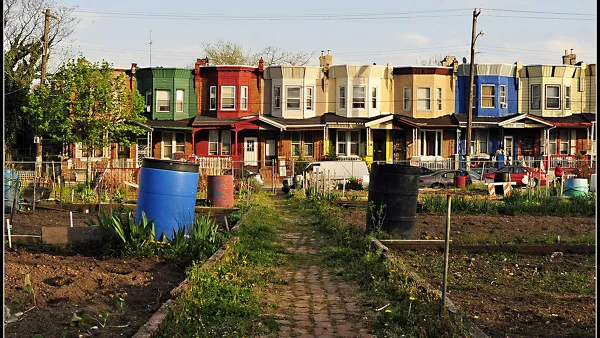
Two proposed pieces of legislation would create a new revenue stream for Philadelphia's affordable housing efforts and protect tenants of existing affordable units.
Pittsburgh Lawsuit Threatens Affordable Housing Requirement
A suit brought by a developers’ group calls the cost burden of the city’s inclusionary zoning law ‘unconstitutional.’
Connecticut Housing Advocates Call for Zoning Reform
A new report highlights a growing affordability crisis, calling for state-level zoning changes and renter protections.

Planetizen Federal Action Tracker
A weekly monitor of how Trump’s orders and actions are impacting planners and planning in America.

The state-sanctioned urbicide of Austin
People don’t kill cities. Freeways do.

US to reduce Colorado River water deliveries to Mexico
A new Colorado Treaty amendment reduces Mexico’s Colorado River water allocation by 250,000 acre feet.

5 New England states march closer to 800 megawatt wind energy project
Securing federal approval for the project may be complicated under the Trump administration, which has historically been hostile towards domestic wind power.

Baltimore to break ground on $50 million Transit Priority Project
The project will bring faster bus trips, safer streets and better bike connections to Baltimore.

Airbnb launches $250 million 'last-dollar financing' housing accelerator, makes first investment in Austin
The company will put $6.4 million towards affordable housing development in Texas’ capital.

FREE Course: Walkable City 1: Why Walkability?
After describing his path towards focusing on walkability as the essence of good planning, Jeff Speck marches through his five principal reasons for making more walkable places.
Reinventing Malls: Planning Alchemy—Turning Gray Fields Into Gold
The course focuses on the opportunities and imperatives that shape reinvention of mall sites.

Eagle County Government
Harvard University Graduate School of Design
Nashville Planning Department
The Architects Foundation
University of Cincinnati Online
The Pocatello Development Authority
The Urban Renewal Agency of the City of Pocatello
Journal of the American Planning Association