Segregation is decreasing, even in America’s most segregated big cities.


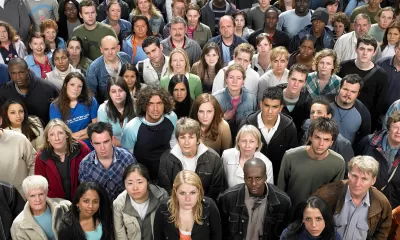
Milwaukee has the worst black-white segregation in the United States, but even Milwaukee is less segregated than Detroit, Chicago, and Milwaukee were in 2000. In U.S. cities, segregation is decreasing, though slowly. "Most white residents of large metropolitan areas live in neighborhoods that remain overwhelmingly white, and while black neighborhoods have become more diverse, this is largely due to an increase in Hispanic rather than white residents," William H. Frey reports for the Brookings Institute. These northern Midwestern cities are some of the most segregated in the U.S. cities. In the southwest, cities like Las Vegas and Phoenix are among the most diverse of the countries 51 major metropolitan areas.
"After the passage of the 1968 Fair Housing Act, black-white segregation began to decline, especially in growing parts of the country like Atlanta and Dallas to which blacks were relocating, where they faced less housing discrimination than in the past," Frey writes. Generally, white and black Americans were more likely to live in more diverse neighborhoods from 2013-2017 than they were in 2000.
FULL STORY: Black-white segregation edges downward since 2000, census shows

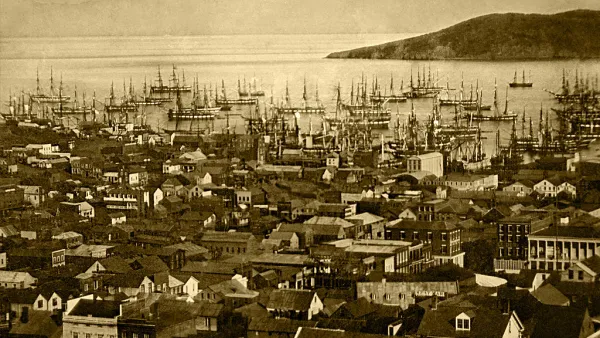
Boomtowns No Longer Attract Waves of New Workers
The latest Upshot by Emily Badger looks at why American cities with the greatest economic opportunity no longer attract the population increases of yore
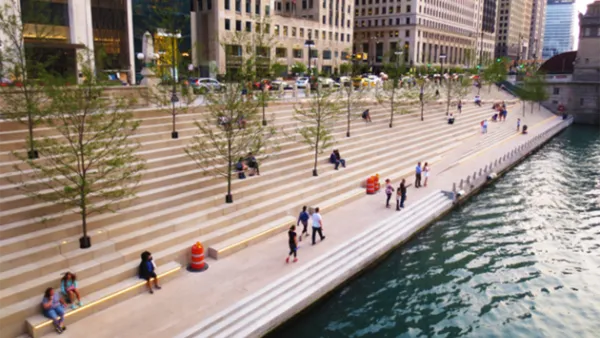
Chicago Deeply Segregated, if Slightly Less So Than in the 1990s
A Chicagoan working at a downtown library noticed her black coworkers all tended to head home to the South Side after work while her white coworkers went north. She asked Chicago's Public Radio station (WBEZ) if the city was becoming more segregated.
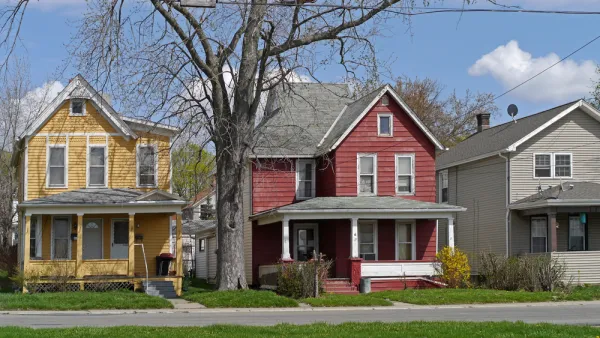
All-White Neighborhoods Are Nearly Extinct; All-Black Neighborhoods Persist
The good news is that middle-class suburbs are becoming increasingly integrated. However, a closer look at the migration patterns of whites and minorities reveals a more complex picture, rife with racism.

Planetizen Federal Action Tracker
A weekly monitor of how Trump’s orders and actions are impacting planners and planning in America.

The state-sanctioned urbicide of Austin
People don’t kill cities. Freeways do.

US to reduce Colorado River water deliveries to Mexico
A new Colorado Treaty amendment reduces Mexico’s Colorado River water allocation by 250,000 acre feet.

Mamdani overhauls NYC's Vision Zero plan with 100 new policy goals
The overhaul aims to reduce traffic deaths and make streets safer for pedestrians, cyclists and drivers through lower speed limits, new safety infrastructure and more.

Amtrak not solely to blame for New Jersey commuter rail's unreliability, report finds
A new study from the Garden State Initiative found that NJ Transit’s budget grew 20% across a 4 year period, but reliability declined significantly over the same period.

EPA erases limits on planet-warming pollution from power plants
Under Monday’s plan, power plants would still have some limits on how much mercury, arsenic and other contaminants they can emit.

FREE Course: Walkable City 1: Why Walkability?
After describing his path towards focusing on walkability as the essence of good planning, Jeff Speck marches through his five principal reasons for making more walkable places.
Reinventing Malls: Planning Alchemy—Turning Gray Fields Into Gold
The course focuses on the opportunities and imperatives that shape reinvention of mall sites.


Eagle County Government
Harvard University Graduate School of Design
Nashville Planning Department
The Architects Foundation
University of Cincinnati Online
The Pocatello Development Authority
The Urban Renewal Agency of the City of Pocatello
Journal of the American Planning Association