A decrease in affordable housing, the aftermath of Hurricane Harvey, and demographic changes mean more of the city’s neighborhoods are facing gentrification challenges.


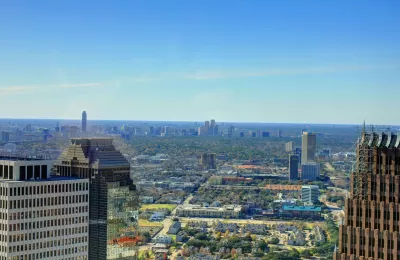
A new report from the Kinder Institute for Urban Research at Rice University looks at neighborhoods in Houston that are facing the threat of gentrification or could in the future. These neighborhoods were identified through socioeconomic, housing, transportation, and location factors.
The study finds that gentrification is on the rise in Harris County, but it is distributed unevenly. Most gentrified neighborhoods are located outside of the 610 Loop. However, all neighborhoods on the east side of Houston within the loop are susceptible to future gentrification.
Communities have tried to rein in gentrification through policies including land use regulations, deed restrictions, and homestead exemptions as well as through land trusts and community engagement. "The researchers hope their work will not only shine a spotlight on the prevalence of gentrification and the problems it causes, but also help cities and communities think about how they can help low-income residents remain in their neighborhoods," reports Amy McCaig.
Read the full story: Neighborhoods on Houston’s east side highly susceptible to gentrification

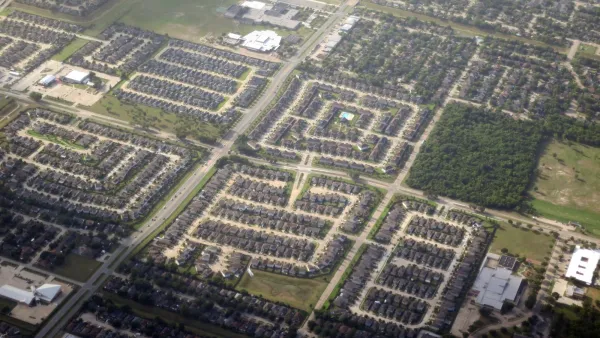
Houston’s Growth Poses Service Challenges
The Houston region continues to grow, and local regional governance is struggling to meet residents’ needs.
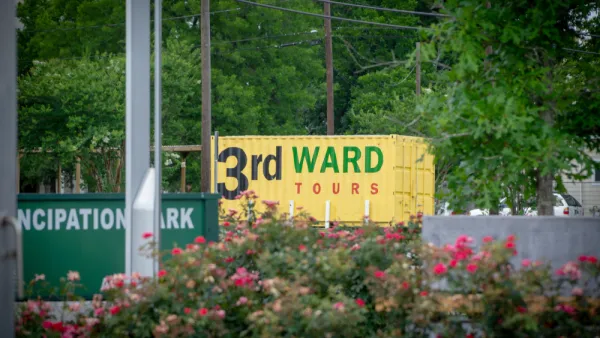
Surprising New Research on Gentrification in Houston
Affluent areas face more demolitions than gentrifying areas in Houston and Harris County, according to the findings of a new report from the Kinder Institute of Urban research.
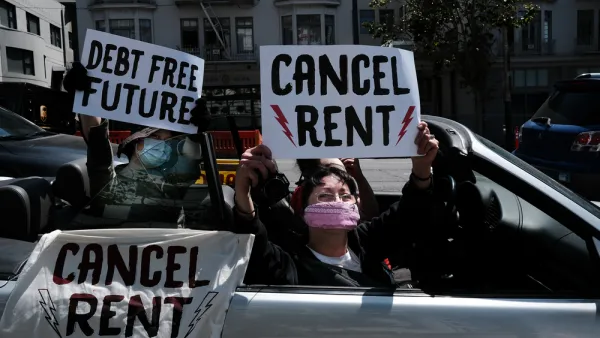
A Housing and Eviction Crisis Still Hangs Over the U.S., Just Like the Pandemic
Checking in with the numerous risks in the housing market as the economic fallout of the pandemic as approaches it approaches its second year.

Planetizen Federal Action Tracker
A weekly monitor of how Trump’s orders and actions are impacting planners and planning in America.

California plans to bury El Niño’s downpour
If the state plays its cards right, it may be able to store a billion acre-feet of El Niño’s water in aquifers.

Chicago breaks ground on $3 billion megadevelopment
The new neighborhood, titled Foundry Park, will one day host 3,700 residences.

Satanic place names
From streams and lakes to valleys and canyons, I mapped more than 1,000 places named after the Devil.

California High-Speed Rail Authority CEO resigns after $600,000 scandal
Under Ian Choudri, the authority used taxpayer dollars to fund first class flights and trips to nightclubs.

Want to study the Missouri River? Soon, you may need unanimous approval from 10 states
Legislation would require 10 governors’ permission to study or build projects moving water outside the basin.

FREE Course: Walkable City 1: Why Walkability?
After describing his path towards focusing on walkability as the essence of good planning, Jeff Speck marches through his five principal reasons for making more walkable places.
Reinventing Malls: Planning Alchemy—Turning Gray Fields Into Gold
The course focuses on the opportunities and imperatives that shape reinvention of mall sites.


City of Rosemead
Rutgers University, Edward J. Bloustein School of Planning and Public Policy
One Hundred Miles
Hunter College, City University of New York (CUNY)
The Architects Foundation
University of Cincinnati Online
City of Cambridge
Montrose County
The Pocatello Development Authority