Expensive West Coast cities are looking to these alternative and add-on structures to ease their housing challenges.


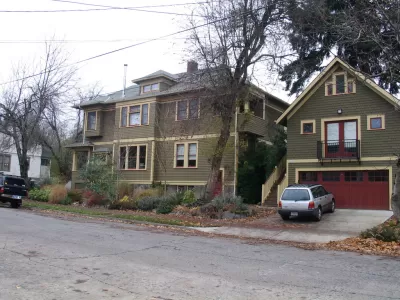
Haisten Willis reports on increased interest in accessory dwelling units (ADUs), especially in areas where housing prices have soared. “The West Coast has become a leader in both high housing costs and in ADU construction, with California and Oregon mandating that most cities must allow ADUs, leaving only limited power at the municipal level to legislate how the structures look and to whom they can be leased,” says Willis.
Easing regulations and, in the case of Portland, waiving development fees have helped address two of the major factors discouraging construction of ADUs. In cities advocating for ADUs, the outcomes are notable, says Willis:
San Francisco, for example, has more than 1,000 ADUs in the development pipeline, with officials looking to increase that number. Portland, Oregon, issued fewer than 100 ADU permits as recently as 2010. In 2016, the number surged past 600 permits in a single year and could soon surpass the number of new homes under construction.
In Sun Belt cities where housing prices have not peaked and denser East Coast cities, the future of ADUs is less clear. But in lower-density cities in the West facing rising housing costs, ADUs are an ideal alternative for homeowners to supplement their income and for renters to find more affordable housing.
Read the full story: One answer to the lack of affordable apartments might begin at home
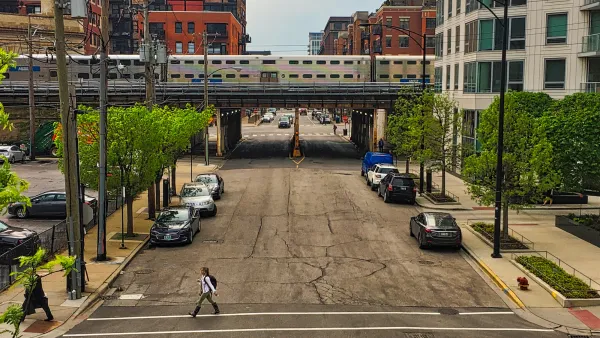
Chicago eliminates parking requirements near transit
In 2025, Illinois barred cities from mandating parking near train and bus stations.
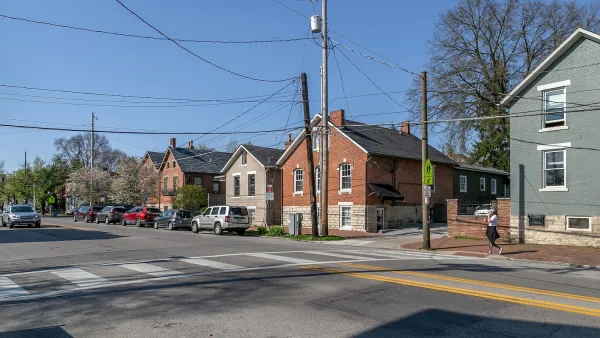
Columbus Introduces New Rules Allowing ADUs in all Residential Districts
The city’s recent zoning code updates include new rules for secondary housing units.

Kissimmee Considering Garage Conversion Program
Homeowners could get city support for converting garages to residential units.

Planetizen Federal Action Tracker
A weekly monitor of how Trump’s orders and actions are impacting planners and planning in America.

California plans to bury El Niño’s downpour
If the state plays its cards right, it may be able to store a billion acre-feet of El Niño’s water in aquifers.

Desperate measures: Advocates weigh draining Lake Powell to fill Colorado River
Draining the reservoir could reduce evaporation losses by a couple hundred thousand acre-feet.

In Texas, data centers are swallowing promised parkland
Residents who moved to Taylor, Texas for a rural community now have to contend with three data centers in their backyard.

How a Chicago-sized wind farm beat the odds and powered on
The project spanned five presidential administrations and a standoff with a U.S. military base.

MTA gives itself 30 days to transform pit into basketball court
The site has been under construction since 2022; the city originally estimated it would finish the court in 2024.

FREE Course: Walkable City 1: Why Walkability?
After describing his path towards focusing on walkability as the essence of good planning, Jeff Speck marches through his five principal reasons for making more walkable places.
Reinventing Malls: Planning Alchemy—Turning Gray Fields Into Gold
The course focuses on the opportunities and imperatives that shape reinvention of mall sites.

City of Rosemead
Rutgers University, Edward J. Bloustein School of Planning and Public Policy
One Hundred Miles
Hunter College, City University of New York (CUNY)
The Architects Foundation
University of Cincinnati Online
City of Cambridge
Montrose County
The Pocatello Development Authority