A grand opening ceremony opened the new Mario M. Cuomo Bridge on Friday, but a collapse hazard on the old Tappan Zee Bridge prevented public traffic from using the bridge on Saturday.


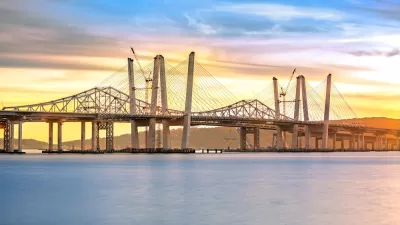
"The opening of the second span of the Mario M. Cuomo Bridge on Saturday was delayed after a piece of its predecessor, the old Tappan Zee Bridge, which is parallel to it, became destabilized and threatened to fall," reports Mihir Zaveri.
"The Tappan Zee was being disassembled when the 'potentially dangerous situation developed' and a piece of the old bridge became destabilized," explains Zaveri. Officials are making sure the old bridge is not a threat to the new bridge before the public can begin to use the new bridge.
Zaveri provides more details about the problem and the potential risk to the new bridge.
Back up just one day, and the news about the Mario M. Cuomo Bridge was much more celebratory, as New York officials, including Govern Andrew Cuomo, celebrated the grand opening of the new bridge.
"In a political, personal and governmental culmination, Gov. Andrew Cuomo opened the new Tappan Zee Bridge in a tearful ceremony that invoked his late father," reports Jimmy Vielkind.
"Andrew Cuomo, 60, has worked for the replacement span since taking office in 2011 and, in the waning hours of the 2017 legislative session, moved his fellow lawmakers to name it for Mario Cuomo, who served three terms as governor from 1983 to 1995," adds Vielkind, to explain the name change and the importance of the vent to the Cuomo administration.
For more coverage of the bridge's opening, Joseph Berger reported on the impending opening of the bridge back at the end of August. Berger focused more on the "two decades of dithering by government officials and four years of herculean drilling, pounding, hauling and lifting by 7,000 workers" it took to complete the bridge.
FULL STORY: ‘Potentially Dangerous Situation’ on Tappan Zee Delays Opening of New Cuomo Bridge Span

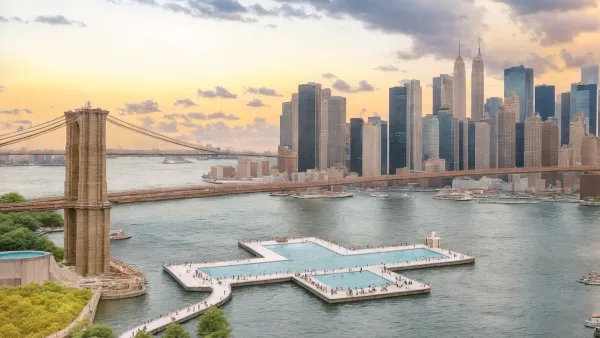
NYC Launches Public Swimming Plan
The city’s efforts to bring more pools and beaches to its residents could have rippling effects across the state.
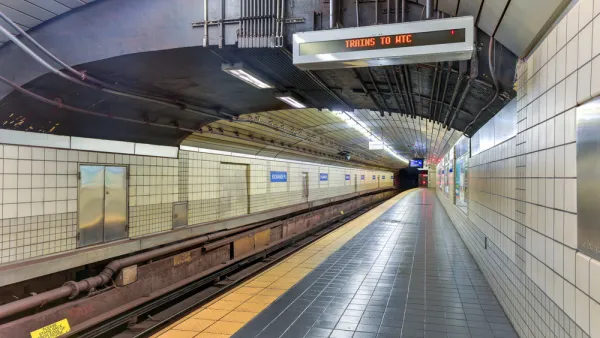
Hudson Tunnel Project To Move Forward
After facing a series of setbacks, the plan to rehabilitate and expand train tunnels under the Hudson River is moving forward thanks to new federal support.
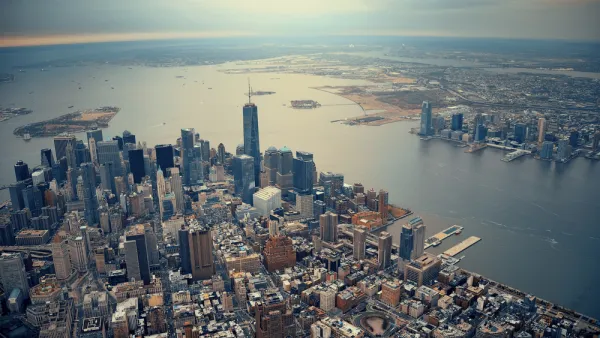
New Jersey Governor Seeks to Stop NYC Congestion Pricing
The governor calls the plan a ‘cash grab,’ claiming New Jersey residents did not have adequate opportunities for input.

Planetizen Federal Action Tracker
A weekly monitor of how Trump’s orders and actions are impacting planners and planning in America.

The state-sanctioned urbicide of Austin
People don’t kill cities. Freeways do.

US to reduce Colorado River water deliveries to Mexico
A new Colorado Treaty amendment reduces Mexico’s Colorado River water allocation by 250,000 acre feet.

5 New England states march closer to 800 megawatt wind energy project
Securing federal approval for the project may be complicated under the Trump administration, which has historically been hostile towards domestic wind power.

Baltimore to break ground on $50 million Transit Priority Project
The project will bring faster bus trips, safer streets and better bike connections to Baltimore.

Airbnb launches $250 million 'last-dollar financing' housing accelerator, makes first investment in Austin
The company will put $6.4 million towards affordable housing development in Texas’ capital.

FREE Course: Walkable City 1: Why Walkability?
After describing his path towards focusing on walkability as the essence of good planning, Jeff Speck marches through his five principal reasons for making more walkable places.
Reinventing Malls: Planning Alchemy—Turning Gray Fields Into Gold
The course focuses on the opportunities and imperatives that shape reinvention of mall sites.

Eagle County Government
Harvard University Graduate School of Design
Nashville Planning Department
The Architects Foundation
University of Cincinnati Online
The Pocatello Development Authority
The Urban Renewal Agency of the City of Pocatello
Journal of the American Planning Association