So you bought a lot for $1 under the city of Chicago's Large Lots program. Expect your bills to go up a lot more than that measly sum.


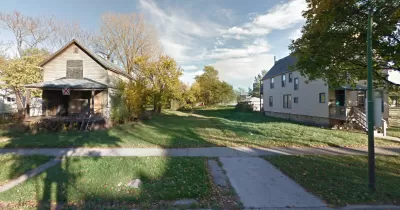
According to an article by Steven Vance, the city of Chicago has sold 1,245 vacant lots through its Large Lots program, which offers vacant lots for sale to nearby property owners for $1.
The property tax bill has come for 536 of those large lots owners, and Vance is able to analyze the extra costs of owning a $1 lot.
Vance sums up the costs in terms of property taxes for owning a large lot:
For the 2017 property tax year, the average property tax bill across the 536 lots was $0.19 per square foot. The average tax bill was $780.32. The average lot size is approximately 4,012 square feet.
Vance provides a lot more detail on the spectrum of property taxes paid by large lot owners. It's also important to note that the extra expenses don't end at the larger property tax bill. Additional costs can accrue from "mowing grass, clearing weeds, installing a fence if the lot isn’t adjacent to the owner’s house, and, in some cases, insurance."
FULL STORY: How much are Large Lot owners paying in property taxes?

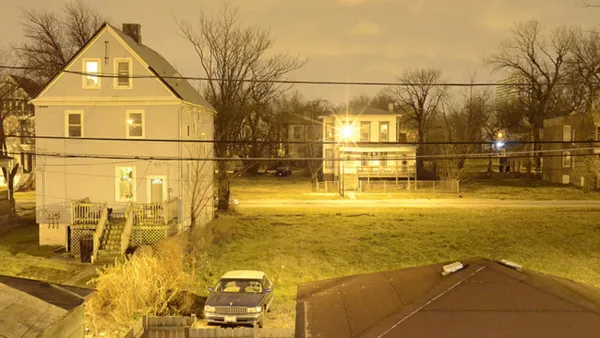
Chicago Puts Thousands of Vacant Lots on the Market for $1
Chicago continues to lose population from parts of the city, so vacant properties are multiplying. The city's "Large Lots" program aims to return vacant properties back to control by residents of the neighborhoods.
More $1 Vacant Lots for Sale in Chicago
With some 20,000 vacant lots located around the city, Chicago is expanding the Large Lots Program that allows property owners to buy nearby lots for $1.
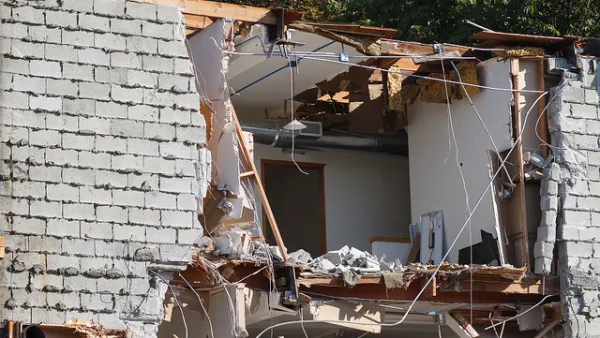
Tear It Down and They Will Come?
There's a rationale for the demolition of vacant properties in cities like Chicago, but does that mean the city should be celebrating these programs? The planning of shrinking cities, it turns out, is still very much a work in progress.

Planetizen Federal Action Tracker
A weekly monitor of how Trump’s orders and actions are impacting planners and planning in America.

The state-sanctioned urbicide of Austin
People don’t kill cities. Freeways do.

US to reduce Colorado River water deliveries to Mexico
A new Colorado Treaty amendment reduces Mexico’s Colorado River water allocation by 250,000 acre feet.

Mamdani overhauls NYC's Vision Zero plan with 100 new policy goals
The overhaul aims to reduce traffic deaths and make streets safer for pedestrians, cyclists and drivers through lower speed limits, new safety infrastructure and more.

Amtrak not solely to blame for New Jersey commuter rail's unreliability, report finds
A new study from the Garden State Initiative found that NJ Transit’s budget grew 20% across a 4 year period, but reliability declined significantly over the same period.

EPA erases limits on planet-warming pollution from power plants
Under Monday’s plan, power plants would still have some limits on how much mercury, arsenic and other contaminants they can emit.

FREE Course: Walkable City 1: Why Walkability?
After describing his path towards focusing on walkability as the essence of good planning, Jeff Speck marches through his five principal reasons for making more walkable places.
Reinventing Malls: Planning Alchemy—Turning Gray Fields Into Gold
The course focuses on the opportunities and imperatives that shape reinvention of mall sites.

Eagle County Government
Harvard University Graduate School of Design
Nashville Planning Department
The Architects Foundation
University of Cincinnati Online
The Pocatello Development Authority
The Urban Renewal Agency of the City of Pocatello
Journal of the American Planning Association