The Daily Source of Urban Planning News

Using Cellphone Data to Understand Park Use
A new University of Toronto study analyzes anonymous GPS data from smartphones to track how people use and interact with green spaces.

Leveraging Federal Funding for Transit Accessibility
Just 8 percent of U.S. households live near “high-quality transit.” How can federal infrastructure spending help fill this gap?

The Benefits of Walking in Urban Green Spaces
A new study by researchers in Virginia found that walking in a quiet urban setting with shade and greenery can significantly improve mood and reduce stress.

Cities Need Data to Secure and Maximize Federal Funding
To secure and maintain federal funding for projects and programs, local governments need data to identify priorities, support grant applications, and monitor and track progress.

Cincinnati Gets Serious About Pedestrian Safety
A new in-house team dedicated to pedestrian safety at Cincinnati City Hall and a new complete streets ordinance are some of the changes underway in Cincinnati.

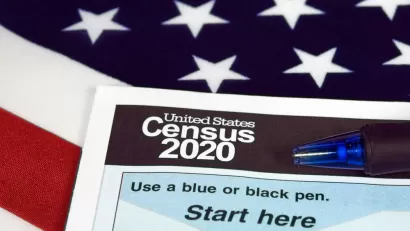
Advancing Equity with Census Data
The U.S. Census Bureau offers a variety of data and tools that can be used by policy-makers and the public to better understand underserved communities and advance equity.

Transit-Oriented Development with Soccer
Learn about StationSoccer, an innovative program in Atlanta which connects communities through transit, soccer, and leadership training.

The Importance of Cooling Centers
A new UCLA study examines how formal and informal cooling centers are being used in Los Angeles County.

L.A.’s Water Diversions Threaten Critical Habitat Far to the North
Water levels at Mono Lake, nestled in a stunningly beautiful location on the eastern slope of the Sierra Nevadas that provides the eastern gateway to Yosemite, have fallen to a critical level of a local population of nesting gulls.

Electric Car Batteries Spark Weight Concerns
A federal transportation official is warning that electric vehicle batteries, which can weigh thousands of pounds and make cars much heavier than their gas-powered counterparts.

Report: Wisconsin Zoning Rules Hold Back Housing Production
Updating zoning regulations would help the state meet its housing goals and encourage the construction of a broader variety of housing types.

Where Ridership-Only Service Design Comes Up Short
Jarrett Walker and Mathew Yglesias discuss one of the great quandaries of 21st century transit planning—how to increase cost effectiveness and ridership while also ensuring equity and service for underserved communities.

New York Governor Takes a YIMBY Turn
Governor Kathy Hochul wants to build 800,000 new homes in New York in the next decade.

Washington’s Proposed Housing Bills, Explained
The 2023 Washington state legislature will evaluate a slew of proposals aimed at increasing housing supply and affordability.

California’s Reservoirs are Filling Up, but For How Long?
Recent storms are bringing plenty of water to parched parts of California, but scientists warn the relief won’t be a long-term solution to longer, drier periods.

What Draws Conspiracy Theorists to Traffic Calming Plans?
Proposals for road diets, ‘15-minute cities,’ and other traffic reduction programs often meet with unfounded conspiracy theories claiming that the plans are nothing short of steps to world domination.
Multimodal Improvements Coming to Houston
The city is continuing its investment in safety and accessibility improvements for transit riders, pedestrians, and cyclists.

Indianapolis Launches Fatal Crash Review Commission
The group is tasked with making a deeper assessment of the underlying infrastructural causes of fatal crashes and recommending improvements.

BLOG POST
Small Modes Are Beautiful!
Active modes (walking, bicycling and their variants) and micromodes (e-bikes and e-scooters) can provide large climate emission reductions and other important benefits, if we let them. Small modes are important but often undercounted and undervalued.
City of Thousand Oaks
City of Wisconsin Rapids
Harvard University Graduate School of Design
The Architects Foundation
University of Cincinnati Online
Northern Illinois Transit Authority (NITA)
The Pocatello Development Authority
The Urban Renewal Agency of the City of Pocatello

FREE Course: Walkable City 1: Why Walkability?
After describing his path towards focusing on walkability as the essence of good planning, Jeff Speck marches through his five principal reasons for making more walkable places.
Reinventing Malls: Planning Alchemy—Turning Gray Fields Into Gold
The course focuses on the opportunities and imperatives that shape reinvention of mall sites.