The Daily Source of Urban Planning News

BLOG POST
Does Dispersion Help?
Only 7 percent of U.S. residents live in the nation's largest metropolitan area (New York). Has that made coronavirus less deadly?

A Rare Chance for Urban Innovation
The realities of social distancing are allowing for innovations and experimentations with real opportunities for long-term benefit in cities, according to an article by Allison Arieff.

Experts Expect Rent to Drop, Along With Incomes
There is no silver lining in the news that experts expect the cost of rental housing to decline as a result of the coronavirus pandemic.

Office-to-Residential Conversions Considered as Workers Go Remote
Reduced demand for office space after coronavirus could lead New York landlords to consider the conversion of offices to residential spaces.

BLOG POST
Lessons from Pandemics: Comparing Urban and Rural Risks
Many people assume that infectious disease risks make cities dangerous, but this is generally untrue. Other factors have more effect on pandemic risk and mortality rates, making cities safer and healthier than rural areas overall.
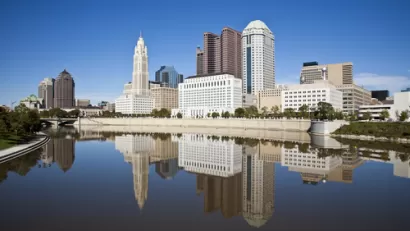
Another State (Ohio) Gets It Right
Washington and California have been praised for early efforts to mitigate community spread of the novel coronavirus, resulting in relatively low rates of infection, hospitalization, and ultimately, death. Add Ohio to the bunch.
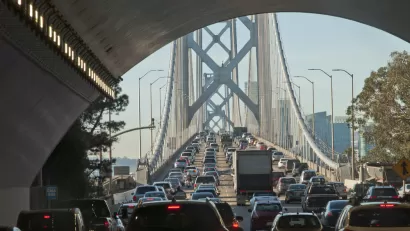
Early Indications of Car Industry's Future Emerge
Evidence from Wuhan, China, the used car auction market in the United States, and the Trump administration reveal some of the potential futures for the car industry.

Race, Planning Intersect as the Coronavirus Kills Black and Latino Americans at Higher Rates
Black and Latino Americans in the United States are dying from COVID-19 at a much higher rate than whites. The foundation for the tragedy has been laid for decades.

Ups and Downs for Self-Driving Cars During the Pandemic
While some driverless car companies have expanded operations in the past month, some industry observers caution that the business of autonomous vehicles remains stuck in neutral.

Questioning Washington State's Commitment to Greenhouse Gas Reductions
Lawmakers in Washington state fell short of passing comprehensive legislation this year to meet long-term goals of reducing greenhouse gas emissions.

Distance Learning and University Challenges Under COVID-19
University of California Board of Regents Chair John A. Pérez shares the University of California's real-time response to the COVID-19 pandemic, highlighting economic and pedagogical impacts for the system.

Disaster Gentrification and COVID-19
Disaster gentrification is a widely documented phenomenon, like in New Orleans after Hurricane Katrina. The coronavirus and the resulting economic downturn could have similar consequences.

Safe At Home: Securing Affordable Housing in a Pandemic
An interview on the critical importance of securing quality affordable housing during the pandemic, coupled with the challenge of responding to the operational needs of ongoing development projects.

Will the Coronavirus Spare Rural America?
Many counties throughout the nation have recorded no deaths from COVID-19. A perception exists that population density is responsible for the massive death toll in New York and New Jersey and that exurban and rural counties may be spared.

Opinion: Transit Has Always Been an Essential Service
Ridership is the wrong way to think about the importance of public transit.

FEATURE
Overcoming Social Distance
People are finding new ways to connect digitally across physical spaces during the coronavirus pandemic, and these temporary solutions could have a lasting impact on the way we live.

74 Miles of 'Slow Streets' in Oakland
Suddenly, cars aren't the first priority on 10 percent of the roadway in Oakland, California.

A New Ballot Measure Could Increase Caltrain's Funding by $108 Million Per Year
Santa Clara, San Mateo, and San Francisco county voters could see a ballot measure to fund an ambitious Caltrain plan with a one-eighth cent sales tax, amounting to more than $100 million dollars per year.

Using Inmate Labor to Build Affordable Housing
How do we balance the need to provide job training to those incarcerated with the need to ensure that prisoners are not exploited for their work?

Speed Measures the Change on New York City Streets
With so few cars on the road, cars and buses are moving faster in New York City. Some drivers are going too fast, though.
City of Thousand Oaks
City of Wisconsin Rapids
Harvard University Graduate School of Design
The Architects Foundation
University of Cincinnati Online
Northern Illinois Transit Authority (NITA)
The Pocatello Development Authority
The Urban Renewal Agency of the City of Pocatello

FREE Course: Walkable City 1: Why Walkability?
After describing his path towards focusing on walkability as the essence of good planning, Jeff Speck marches through his five principal reasons for making more walkable places.
Reinventing Malls: Planning Alchemy—Turning Gray Fields Into Gold
The course focuses on the opportunities and imperatives that shape reinvention of mall sites.