The Daily Source of Urban Planning News

The Life and Death of American Dams
Many of the nation’s largest dam projects are reaching the end of their useful lives, helped along by nature.

More Cities are Shifting to Demand-Based Curb Parking
Largely used for free car parking, urban curb space is becoming a more precious commodity.

Sydney Could Automate Traffic Lights to Prioritize Buses
The proposal is part of the government’s bid to increase transit ridership and make bus service faster and more reliable.

State Trust Lands Offer Opportunity for Affordable Housing
Western states that hold millions of acres in land trusts are working to turn some of them into affordable housing.

Regional Government Reform on the Ballot in Houston
If Proposition B passes, Houston and other populous areas could gain more voting power in the region’s metropolitan planning organization.
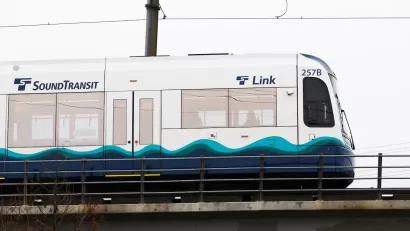
Seattle Needs More Railcars
Sound Transit needs more cars to accommodate its ridership, particularly during special events and peak times.
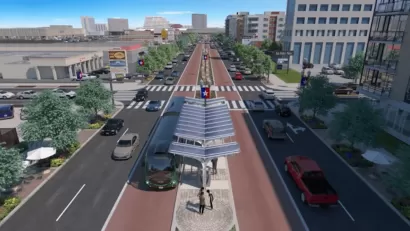
A Look at San Antonio’s Upcoming Rapid Bus Line
A new bus line will bring some of the benefits of bus rapid transit, connecting the city’s airport and downtown.

FEATURE
Contested Property: Haunted Houses and the Anxiety of Ownership in America
Sometimes home becomes a place of fear for the least supernatural reasons.

Austin Text Alert System Caters to Unhoused Residents
A new emergency text message alert system will provide information specific to the needs of homeless people during extreme weather events.

Ohio Suburb Reenvisions Car-Oriented Shopping Center
Garfield Heights wants to transform a 1960s complex nestled in a sea of surface parking into a walkable, mixed-use development.

Crosswalks Near NYC Schools More Dangerous Than Average
A child and a crossing guard were killed in school crosswalks within one week as the NYPD cuts crossing guard jobs.

Report Evaluates Equity in Federal Infrastructure Grants
The report indicates that large formula funding programs tend to support the status quo, reinforcing car-centric planning and inequitable spending patterns.

Department of Energy Moves to Improve Grid Interconnections
Adding new renewable energy projects to local grids can take an average of five years, slowing the process of reducing reliance on fossil fuels.

Cruise Suspends Driverless Operations, Waymo Pushes Ahead
While Cruise is pausing all of its autonomous services in a bid to “regain public trust,” Waymo, via Uber, will begin offering autonomous rides in Phoenix.

Study: Road Design, Speed Key Factors in Pedestrian Deaths
A recent study emphasizes the importance of good road design and low speed limits in keeping pedestrians safe.

Texas Awards $345 Million for Bike and Pedestrian Projects
The investment is six times as much as the Texas Transportation Commission made available in the last call for projects.

Federal Agencies Update Rules to Support Office Conversions
New grant rules make it easier for local governments to acquire commercial properties for conversion to affordable housing.

Placemaking on the Halifax Waterfront
How small, incremental changes can create vibrant places.

New York Bike Lane Generates Confusion
A compromise road diet with “flex lanes” falls short of its promise.

Bringing Circularity to the Construction Industry
Using more recycled materials could dramatically reduce carbon emissions and waste from construction projects.
City of Thousand Oaks
City of Wisconsin Rapids
Harvard University Graduate School of Design
The Architects Foundation
University of Cincinnati Online
The Pocatello Development Authority
The Urban Renewal Agency of the City of Pocatello

FREE Course: Walkable City 1: Why Walkability?
After describing his path towards focusing on walkability as the essence of good planning, Jeff Speck marches through his five principal reasons for making more walkable places.
Reinventing Malls: Planning Alchemy—Turning Gray Fields Into Gold
The course focuses on the opportunities and imperatives that shape reinvention of mall sites.