An underground network of pipes has been cooling public buildings since the 1990s.


Since the 1990s, Paris has been using a vast underground network of pipes to cool public buildings using water from the river Seine.
According to an article by Jesse Chase-Lubitz in The Guardian, "The system circulates cold water through a network of pipes: cold river water from the Seine is pumped through one pipe, which runs right next to a secondary pipe carrying warm water from the city’s buildings. A thin metal wall separates them and a heat exchanger allows the heat from the warm city water to enter the cold Seine water without the fluids ever touching."
The system was started in the 1990s by Fraîcheur de Paris, a subsidiary of the city's electric utility. "The city of Paris remains the owner of the network and it is operated by the transportation company RATP and Engie through a 20-year concession contract that was renewed in 2022." Paris plans to triple the network's size by 2042 to reach over 3,000 buildings.
As Chase-Lubitz explains, "Beyond the city-wide cooling effects, the hope is that Fraîcheur de Paris will stop at least some of the 2.1 million people who live in Paris from buying an air conditioner, which works by taking the heat inside and sending it into the streets outside."
Although the system sends slightly warmer water into the Seine, there is so far no evidence that it is harming the river's ecology.
Read the full story: ‘Kind of miracle solution’: How Paris is harnessing the Seine to replace air-con


The Pacific Northwest is an unlikely front in the fight for cooling
A 2021 heat dome killed over 250 people in the Pacific Northwest, bringing into sharp focus the potential of extreme heat to have deadly consequences even in historically cool climates.
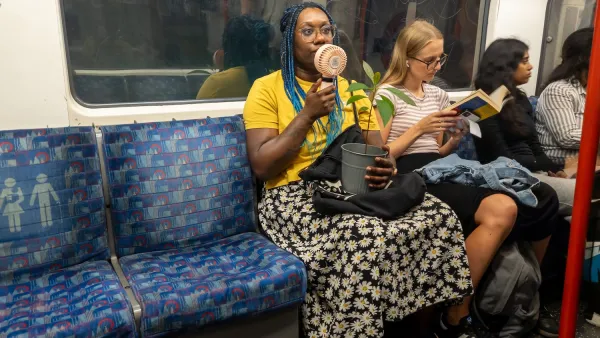
Temperatures in Subways Can Soar Well Above 100. What Some Cities are Doing About it.
Extreme heat can be even more dangerous in confined subway cars and stations.
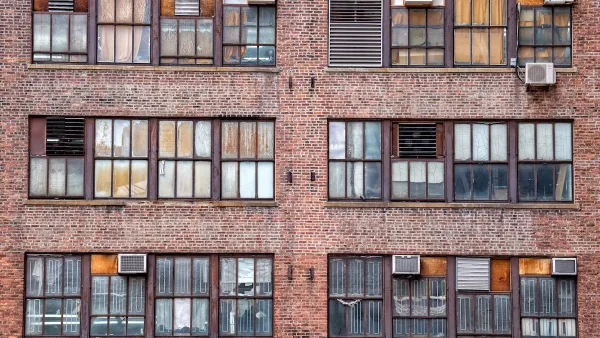
NYC Lawmaker Proposes Mandatory Cooling Law
Despite hundreds of heat-related deaths every year, the city has no regulations on cooling in residential units.

Planetizen Federal Action Tracker
A weekly monitor of how Trump’s orders and actions are impacting planners and planning in America.

HUD modernizes 50-year-old manufactured housing framework
The Next Generation Manufactured Housing Action Plan establishes new energy-efficiency standards for manufactured homes, and new guidelines for anchoring them.

Data reveals that NYC’s bet on congestion pricing has paid off
After almost two years of the program, reports show positive impacts on traffic and air quality and no disruptions to parking.

How Chicago, New York and Seattle are funding transit projects amid tough times
Notes from the American Public Transportation Association's TransForm conference in Chicago.

Transport for London tackles hate crime spike with free bystander training
Recorded hate crime offences on the London's transport network have increased by 36 per cent.

Denver is solving homelessness. Why aren't the rest of us?
Since 2023, Denver's street homeless population has decreased by 64%, proving that effective tools exist to support those in need of housing.

FREE Course: Walkable City 1: Why Walkability?
After describing his path towards focusing on walkability as the essence of good planning, Jeff Speck marches through his five principal reasons for making more walkable places.
Reinventing Malls: Planning Alchemy—Turning Gray Fields Into Gold
The course focuses on the opportunities and imperatives that shape reinvention of mall sites.

One Hundred Miles
County of Mendocino
planning NEXT
The Architects Foundation
University of Cincinnati Online
Montrose County
Northern Illinois Transit Authority (NITA)
The Pocatello Development Authority