The company is testing 34 of its robotaxis in downtown Austin, but they have not been approved for public use.


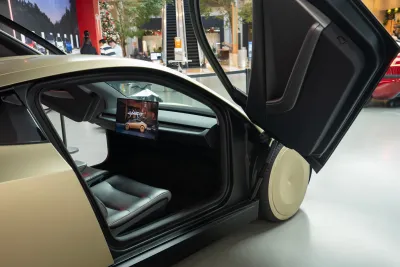
Tesla has begun deploying its Cybercab robotaxis, which have no steering wheel or brake pedals, in Austin, Texas. "A safety monitor is present in the vehicle during this testing phase, but there are no driver controls of any kind — the Texas Department of Transportation has officially confirmed the vehicle's controlless design."
According to an article in Basenor, the Cybercab went from its public reveal to road tests on public streets in roughly 20 months. Tesla confirmed it is performing engineering tests — not customer rides — in downtown Austin using 34 vehicles. "The Cybercab itself is a two-passenger vehicle designed from the ground up for full autonomy. Unlike the Model Y units currently running robotaxi rides in Austin, there is no retrofit here — no wheel removed, no pedals blocked off. The production Cybercab was engineered from day one without those controls, which is precisely why regulatory sign-off from Texas DoT carries weight."
Read the full story: Tesla Cybercab Hits Public Roads in Austin — No Wheel, No Pedals


Texas Safety Advocates Raise Alarm in Advance of Tesla Robotaxi Launch
The company plans to deploy self-driving taxis in Austin with no oversight from state or local transportation agencies.

Tesla 'completely' redacts robotaxi crash reports
Reports submitted to the NHTSA also reveal differences in the types of crashes Tesla cars are involved in as opposed to its competitors.
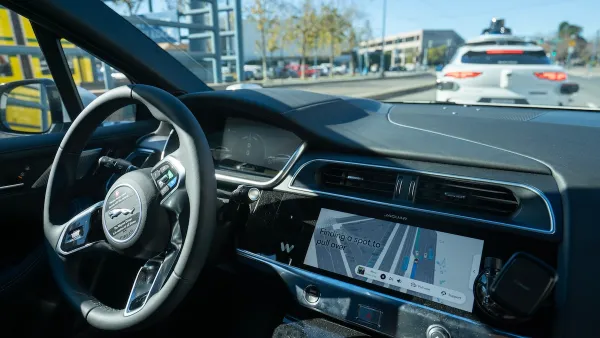
Trump Moves to Ease Regulations for Self-Driving Cars
Proposed changes to vehicle safety standards would eliminate elements such as windshield wipers designed for human drivers.

Planetizen Federal Action Tracker
A weekly monitor of how Trump’s orders and actions are impacting planners and planning in America.

‘Going backwards:’ Baltimore mayor, students rally against state's transit funding plan
Maryland's proposed six-year plan provides no funding for Baltimore’s BMORE bus program and reduces its road maintenance funding.

Detroit to transform waterfront with $2.2 billion investment
Developers will convert about 18 acres of unused parking lot space into civic spaces.

HUD modernizes 50-year-old manufactured housing framework
The Next Generation Manufactured Housing Action Plan establishes new energy-efficiency standards for manufactured homes, and new guidelines for anchoring them.

New CA housing laws tear down development red tape
Recently-signed legislation makes building starter homes and ADUs cheaper and faster in California.

Metrolink finishes first expansion in 20 years
The transit agency is now one of very few in the United States to connect two major airports.

FREE Course: Walkable City 1: Why Walkability?
After describing his path towards focusing on walkability as the essence of good planning, Jeff Speck marches through his five principal reasons for making more walkable places.
Reinventing Malls: Planning Alchemy—Turning Gray Fields Into Gold
The course focuses on the opportunities and imperatives that shape reinvention of mall sites.

One Hundred Miles
County of Mendocino
planning NEXT
The Architects Foundation
University of Cincinnati Online
Montrose County
Northern Illinois Transit Authority (NITA)
The Pocatello Development Authority