Reports submitted to the NHTSA also reveal differences in the types of crashes Tesla cars are involved in as opposed to its competitors.



An analysis of robotaxi crash data released by the National Highway Traffic Safety Administration reveals how different automakers approach crash reporting.
According to an article by Karan Singh on Not a Tesla App, "Comparing Tesla's data against competitors like Waymo and Zoox reveals stark differences in fleet exposure, the nature of the collisions, and a massive gap in public reporting practices."
While Tesla competitors like Waymo and Zoox took the opportunity to provide detailed written accounts about their crash incidents, Tesla, according to Singh, takes the opposite approach, redacting "every single narrative in the public dataset," citing "confidential business information." But as Singh explains, "By shielding the specifics of its crashes behind confidentiality claims, Tesla makes it impossible for the public to understand what went wrong in those 18 incidents, in stark contrast to the open reporting of its industry peers."
FULL STORY: NHTSA Releases Crash Data on Robotaxi and Tesla’s Competitors

NHTSA Opens Investigation Into Tesla’s Autonomous System
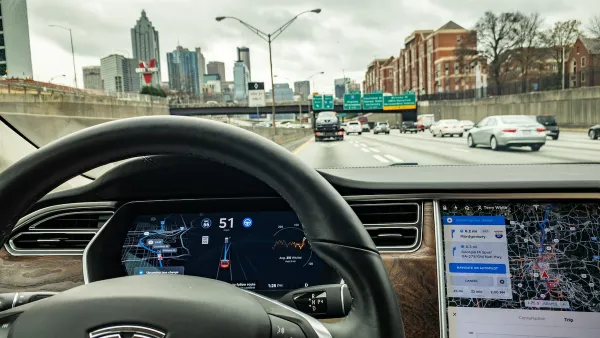
The agency will probe the “Full Self-Driving” system in the wake of crashes that include a pedestrian death.

Waymo's troubles with emergency vehicles are getting worse
In one case, first responders waited 53 minutes to reach a Waymo support representative during an emergency.
Tesla Announced Human-Assisted Robotaxi Launch in San Francisco — But State Regulators Say Otherwise
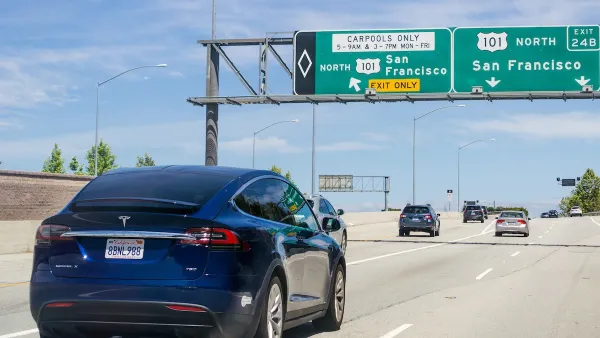
The electric carmaker appears to be both-sides-ing its impending launch, telling regulators it will have human drivers on board while touting the project as ‘robotaxis’ to investors.

The state-sanctioned urbicide of Austin
People don’t kill cities. Freeways do.

US to reduce Colorado River water deliveries to Mexico
A new Colorado Treaty amendment reduces Mexico’s Colorado River water allocation by 250,000 acre feet.

New Jersey’s second-largest city bans standalone data centers
Jersey City will continue to allow co-location facilities, such as those meant for research institutions that store their own data.

Amtrak not solely to blame for New Jersey commuter rail's unreliability, report finds
A new study from the Garden State Initiative found that NJ Transit’s budget grew 20% across a 4 year period, but reliability declined significantly over the same period.

EPA erases limits on planet-warming pollution from power plants
Under Monday’s plan, power plants would still have some limits on how much mercury, arsenic and other contaminants they can emit.

Phoenix announces new on-demand transit service, more frequent RAPID buses
Both new services will launch in October, and are part of Phoenix's Project Effective Access Solutions for Easing Congestion.

FREE Course: Walkable City 1: Why Walkability?
After describing his path towards focusing on walkability as the essence of good planning, Jeff Speck marches through his five principal reasons for making more walkable places.
Reinventing Malls: Planning Alchemy—Turning Gray Fields Into Gold
The course focuses on the opportunities and imperatives that shape reinvention of mall sites.

Eagle County Government
Harvard University Graduate School of Design
Nashville Planning Department
The Architects Foundation
University of Cincinnati Online
The Pocatello Development Authority
The Urban Renewal Agency of the City of Pocatello
Journal of the American Planning Association