In the wake of community opposition, the state DOT says it no longer plans to add a “traffic diversion” that would have added an elevated roadway next to the CBX.


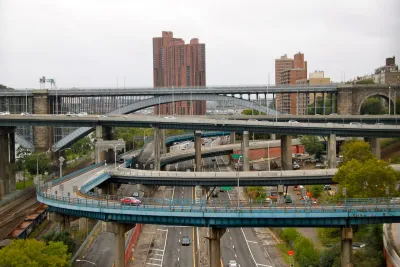
The New York Department of Transportation announced it will no longer move forward with a planned “traffic diversion” on the Cross Bronx Expressway that Streetsblog NYC exposed as amounting to a highway expansion.
As Dave Colon explains, “The state DOT first suggested that it would build a four-lane road to carry traffic while the elevated pieces of the highway were knocked down and repaired, and then keep the road as a ‘community connector’ with one lane of auto traffic, a bus lane and, possibly, infrastructure for bikes and pedestrians.”
Environmental and community advocates have been fighting the proposal since it was announced last year as a “community connector,” noting that it would add two lanes of elevated traffic next to the existing roadway. “Reporting by Streetsblog also revealed that the "community connector" idea was developed by the state twenty years ago and involved building a four-mile long four lane road with a 45 mile per hour speed limit.”
The state initially proposed making the new roadway bike- and pedestrian-only, or adding a bike/ped path on the Cross Bronx itself. “The other option on the table, which will now be considered in an upcoming environmental assessment, is not building the diversion structure at all and a staged repair process for the bridges. That option also includes the possibility for a shared use path on the side of the expressway.”
FULL STORY: State DOT Scraps Cross Bronx Expansion Road On Highway Repair Plan

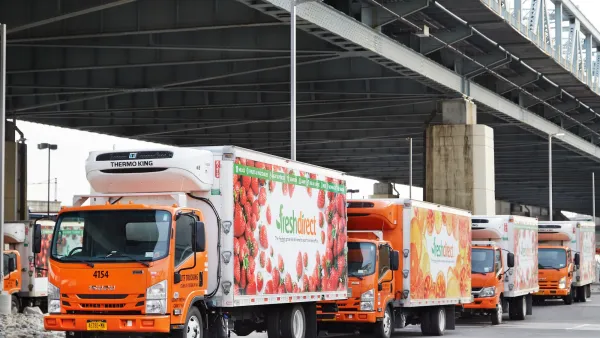
NYC Congestion Pricing Revenue Will Fund up to 1,000 Hybrid Refrigerated Trucks
Traffic to the Hunts Point Produce Market causes increased rates of asthma in surrounding neighborhoods.
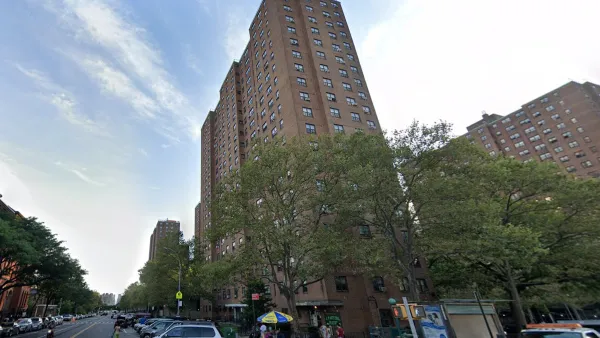
Two Weeks After Explosion, HUD Lays off Entire Building Inspection Staff
The move risks leaving subsidized housing with no oversight just weeks after a Bronx building partially collapsed.
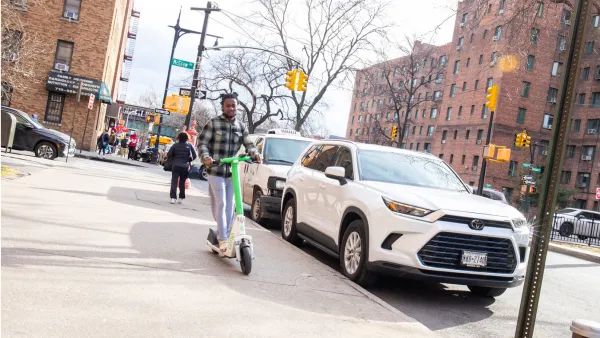
Last Mile: Micromobility in the Outer Reaches of NYC’s Outer Boroughs
In 2021 New York City rolled out an e-scooter program in some of the city’s most underserved transportation zones, focused on equity and access. Urban planner Thandi Nyambose gives an insider’s view of the program from the ground.

Planetizen Federal Action Tracker
A weekly monitor of how Trump’s orders and actions are impacting planners and planning in America.

The state-sanctioned urbicide of Austin
People don’t kill cities. Freeways do.

US to reduce Colorado River water deliveries to Mexico
A new Colorado Treaty amendment reduces Mexico’s Colorado River water allocation by 250,000 acre feet.

5 New England states march closer to 800 megawatt wind energy project
Securing federal approval for the project may be complicated under the Trump administration, which has historically been hostile towards domestic wind power.

Baltimore to break ground on $50 million Transit Priority Project
The project will bring faster bus trips, safer streets and better bike connections to Baltimore.

Airbnb launches $250 million 'last-dollar financing' housing accelerator, makes first investment in Austin
The company will put $6.4 million towards affordable housing development in Texas’ capital.

FREE Course: Walkable City 1: Why Walkability?
After describing his path towards focusing on walkability as the essence of good planning, Jeff Speck marches through his five principal reasons for making more walkable places.
Reinventing Malls: Planning Alchemy—Turning Gray Fields Into Gold
The course focuses on the opportunities and imperatives that shape reinvention of mall sites.

Eagle County Government
Harvard University Graduate School of Design
Nashville Planning Department
The Architects Foundation
University of Cincinnati Online
The Pocatello Development Authority
The Urban Renewal Agency of the City of Pocatello
Journal of the American Planning Association