Jarrett Walker argues that letting transit systems die has impacts that go far beyond transit riders.


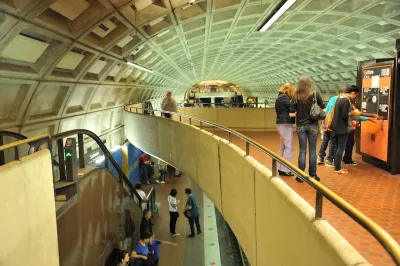
In a piece for Bloomberg CityLab, Jarrett Walker outlines the problem with letting public transit systems die out, arguing that the loss of robust public transit is bad for everyone, even those who don’t use it.
According to Walker, since dense cities can’t accommodate everyone traveling in a car, transit “is critical to the economic functioning of these cities.” Cities call for the efficient use of space, and transit helps provide that. “Second, all communities have people who cannot, don’t want to, or shouldn’t be driving. They also have people who may find it financially liberating to own fewer cars. Transit is part of how we include those people in society and grant them the same freedoms that motorists enjoy.”
Walker notes that most U.S. transit systems are not funded well enough to grow with demand, falling behind in serving expanding communities. Meanwhile, “we have constructed our transportation funding streams to make transit’s costs visible, while the costs of car dependence are mostly concealed.” Because transit funding decisions are often made at the state level, some legislators don’t understand the necessity of transit in urban areas.
“The US is unusual in the powers it gives rural areas over cities, most obviously in the structure of the Senate and the disenfranchisement of residents of Washington, DC.” This forces transit agencies to need support from suburban areas that are often resistant to it. As more agencies face a fiscal cliff, the ineffectiveness of this system could come to a head and threaten the existence of major transit systems — and, in Walker’s view, the health of cities.
FULL STORY: Should We Let Public Transit Die?

Opinion: California Transit Systems Need State Support
California provides far less in state funding to public transit agencies than other states. Transit advocates say this must change to improve transit service, bring back ridership, and reduce air pollution from the transportation sector.

Minnesota Mayors Call for Increased Transit Funding
An op-ed by three mayors explains their support for expanded transit services, calling for a sales tax increase that would fund a modernized, reliable transit network.

The Precarious Future of American Transit
The author of ‘The Great American Transit Disaster’ explains how U.S. transit agencies got to the existential crisis they face today.

Planetizen Federal Action Tracker
A weekly monitor of how Trump’s orders and actions are impacting planners and planning in America.

The state-sanctioned urbicide of Austin
People don’t kill cities. Freeways do.

US to reduce Colorado River water deliveries to Mexico
A new Colorado Treaty amendment reduces Mexico’s Colorado River water allocation by 250,000 acre feet.

5 New England states march closer to 800 megawatt wind energy project
Securing federal approval for the project may be complicated under the Trump administration, which has historically been hostile towards domestic wind power.

Baltimore to break ground on $50 million Transit Priority Project
The project will bring faster bus trips, safer streets and better bike connections to Baltimore.

Airbnb launches $250 million 'last-dollar financing' housing accelerator, makes first investment in Austin
The company will put $6.4 million towards affordable housing development in Texas’ capital.

FREE Course: Walkable City 1: Why Walkability?
After describing his path towards focusing on walkability as the essence of good planning, Jeff Speck marches through his five principal reasons for making more walkable places.
Reinventing Malls: Planning Alchemy—Turning Gray Fields Into Gold
The course focuses on the opportunities and imperatives that shape reinvention of mall sites.

Eagle County Government
Harvard University Graduate School of Design
Nashville Planning Department
The Architects Foundation
University of Cincinnati Online
The Pocatello Development Authority
The Urban Renewal Agency of the City of Pocatello
Journal of the American Planning Association