Walking paths are simple yet transformative features in parks that promote health, equity, and community connection, proving that small investments can deliver lasting benefits.


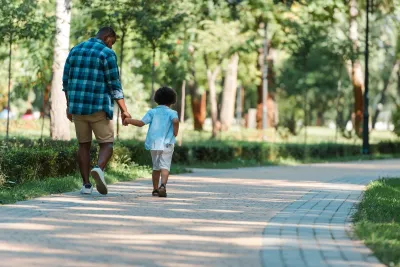
Walking is one of the most accessible and beneficial forms of physical activity, and walking paths in parks play a critical role in making it possible for people to enjoy this daily practice. Beyond physical health benefits such as reducing the risk of chronic disease, walking also supports mental well-being, stress reduction, and social interaction. For many communities, especially those without safe sidewalks, walking paths at parks provide vital, safe, and welcoming places to move.
Several parks in Los Angeles County demonstrate how walking paths contribute to community health, accessibility, and connection. At Earvin “Magic” Johnson Recreation Area, wide and accessible paths connect a vibrant park, supporting wellness programs and walking clubs. Almansor Park’s rubberized loop encourages regular use, especially among older adults, while Echo Park Lake’s urban walking path doubles as a cultural corridor and social gathering space. Encanto Park’s trails blend paved and natural surfaces, link to the regional San Gabriel River Trail, and provide a restorative, nature-based walking experience.
These examples highlight that walking paths are not just add-ons but essential infrastructure. They are cost-effective investments that strengthen community bonds, promote daily park use, and enhance resilience and equity. Whether circling lakes, looping around athletic fields, or connecting to regional networks, walking paths offer opportunities for exercise, reflection, and connection. In uncertain times and with tight budgets, they stand out as simple yet transformative features that improve lives and strengthen communities.
Read the full story: The Importance of Walking Paths
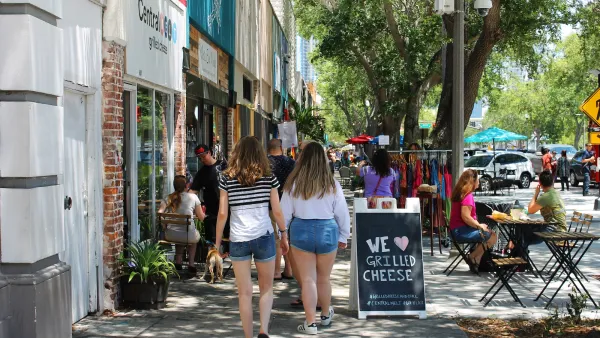
St. Petersburg Launches Sidewalk Master Plan to Close Gaps in Pedestrian Network and Improve Accessibility
The plan will inform priorities for fiscal year 2027.

Jeff Speck’s “Interesting Walk,” In Unexpected Art Forms
We thought it would be fun to ask the Planetizen family to show us their version of the Interesting Walk. What we got back surprised and delighted us beyond expectation.
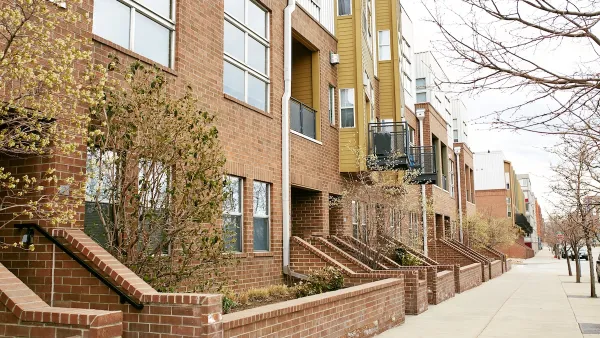
Denver to Shift Sidewalk Repair Work to City, Funded by Property Owners
The city is shifting from a piecemeal approach to sidewalk repairs that charged property owners with doing the work to a more streamlined, city-led process.

Planetizen Federal Action Tracker
A weekly monitor of how Trump’s orders and actions are impacting planners and planning in America.

Eastern Nebraska is running out of electricity
Data centers and electrification are straining eastern Nebraska’s grid, throttling economic development.

Move over, LA: St. Louis gears up for Olympics, invests millions in downtown redevelopment
The Missouri city will host the 2028 Olympic soccer group stage and knockout matches.

Dallas releases zoning code overhaul to officials
The drafted overhaul is over 400 pages long.

NYC renovations for dangerous, ‘mercilessly crammed’ street delayed until 2027
Construction was supposed to begin this fall.

San Diego’s Midway Rising project gets greenlight from city council
The project looks to become the largest affordable housing development in California's history.

FREE Course: Walkable City 1: Why Walkability?
After describing his path towards focusing on walkability as the essence of good planning, Jeff Speck marches through his five principal reasons for making more walkable places.
Reinventing Malls: Planning Alchemy—Turning Gray Fields Into Gold
The course focuses on the opportunities and imperatives that shape reinvention of mall sites.

City of Rosemead
Rutgers University, Edward J. Bloustein School of Planning and Public Policy
One Hundred Miles
University of Michigan School for Environment and Sustainability (SEAS)
Hunter College, City University of New York (CUNY)
The Architects Foundation
City of Cambridge
The Pocatello Development Authority
The Urban Renewal Agency of the City of Pocatello