Nature centers and outdoor programs serve as vital gateways to environmental education, equity, and stewardship — bringing people closer to nature and inspiring the next generation to care for the planet.


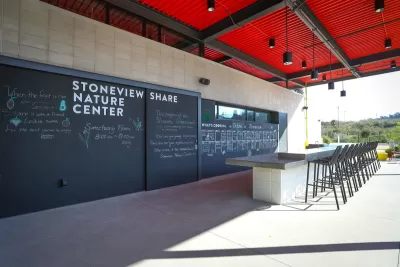
Nature centers play a vital role in connecting people to the natural world, especially in densely populated and urbanized regions like Los Angeles County. With over 10 million residents and some of the most ecologically diverse landscapes in the country, LA County’s network of nature centers offers critical access points to education, recreation, and conservation. These spaces serve as gateways to local ecosystems and wildlife, providing hands-on experiences, guided hikes, and community-based environmental learning. County-led programs such as Every Body Explores and Nature in Your Neighborhood further extend the reach of outdoor education, bringing it directly into local parks and neighborhoods — especially those historically underserved.
The destruction of key nature centers like Eaton Canyon and Devil’s Punchbowl due to wildfires illustrates both the fragility and importance of these resources in the face of climate change. These losses have disrupted access to environmental programming and highlight the urgent need for climate-resilient design, restoration, and sustained investment. As natural disasters become more frequent and intense, protecting and rebuilding these centers must become a priority — not just for preserving infrastructure, but for maintaining the community connections and ecological literacy they foster.
LA County’s experience offers a compelling case for why nature centers and nature-based programs are essential public assets. They help people of all ages engage with the environment, support local biodiversity, and promote equity in outdoor access. As more communities across the country confront climate, biodiversity, and access challenges, the County’s efforts point to the value of integrating nature education into daily life — whether through trails and interpretive centers or through programming that brings nature into the heart of communities. Investing in these experiences is investing in a healthier, more connected, and more resilient future.
FULL STORY: Gateways To Wildlife

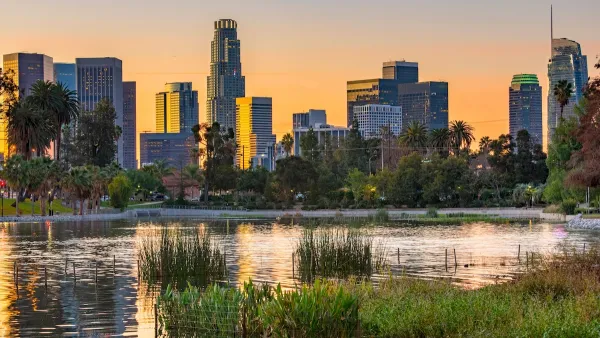
Delivering on the Promise of Parks
In LA County, even amid budget challenges, new parks are opening, targeted investments are being made in underserved communities, and long-term plans are guiding progress — demonstrating a sustained commitment to parks as essential infrastructure.

Parks: Essential Community Infrastructure — and a Smart Investment
Even during times of budget constraint, continued investment in parks is critical, as they provide proven benefits to public health, safety, climate resilience, and community well-being — particularly for under-resourced communities.
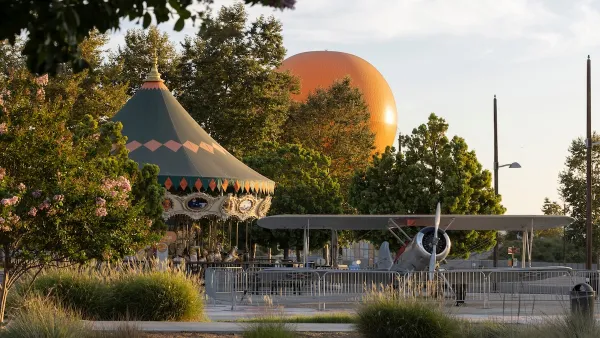
Irvine Ranked Second in Nation for Outstanding Park System
Irvine’s parks earned national recognition for their exceptional access, investment, and amenities, ranking second in the U.S. and first in California in the Trust for Public Land’s 2025 ParkScore Index.

Planetizen Federal Action Tracker
A weekly monitor of how Trump’s orders and actions are impacting planners and planning in America.

The state-sanctioned urbicide of Austin
People don’t kill cities. Freeways do.

US to reduce Colorado River water deliveries to Mexico
A new Colorado Treaty amendment reduces Mexico’s Colorado River water allocation by 250,000 acre feet.

5 New England states march closer to 800 megawatt wind energy project
Securing federal approval for the project may be complicated under the Trump administration, which has historically been hostile towards domestic wind power.

Baltimore to break ground on $50 million Transit Priority Project
The project will bring faster bus trips, safer streets and better bike connections to Baltimore.

Airbnb launches $250 million 'last-dollar financing' housing accelerator, makes first investment in Austin
The company will put $6.4 million towards affordable housing development in Texas’ capital.

FREE Course: Walkable City 1: Why Walkability?
After describing his path towards focusing on walkability as the essence of good planning, Jeff Speck marches through his five principal reasons for making more walkable places.
Reinventing Malls: Planning Alchemy—Turning Gray Fields Into Gold
The course focuses on the opportunities and imperatives that shape reinvention of mall sites.

Eagle County Government
Harvard University Graduate School of Design
Nashville Planning Department
The Architects Foundation
University of Cincinnati Online
The Pocatello Development Authority
The Urban Renewal Agency of the City of Pocatello
Journal of the American Planning Association