Extreme heat is often viewed as an urban problem, but rural communities face their own unique risks.


A new report from Headwaters Economics warns of the dangers of extreme heat to rural residents, writes Sarah Melotte in The Daily Yonder.
Although extreme heat is often framed as an urban problem exacerbated by pavement and tall buildings, rural areas suffer from different challenges when heat waves strike.
“Compared to urban dwellers, rural Americans are twice as likely to have pre-existing health issues like diabetes that exacerbate the dangers of extreme heat, according to the Headwaters Economics report. And when rural Americans do face heat-related illnesses, they are also more likely to be uninsured and acquire medical debt in the process.” Rural workers are also more likely to work in high-exposure industries such as agriculture or construction.
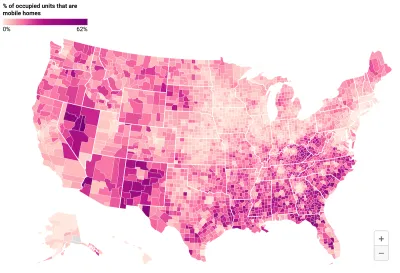
Meanwhile, the prevalence of manufactured housing in rural areas means rural residents spend more on heating and cooling more inefficient dwellings. “Rural residents in manufactured and mobile homes spend 75% more on energy bills compared to their urban counterparts.”
Headwaters Economics offers policy solutions that can help protect rural residents, particularly those living in manufactured homes. from extreme heat. “Existing federal programs – such as the Weatherization Assistance Program (WAP) and the Low Income Home Energy Assistance Program (LIHEAP) – support families by improving energy efficiency and providing financial assistance for cooling costs.”
Read the full story: Housing Conditions Exacerbate the Effects of Extreme Heat in Rural America
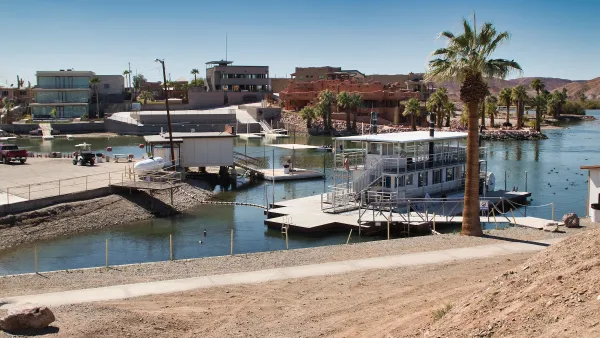
Arizona had its hottest spring in 131 years
Average March temperatures across the state were 12.5 degrees above normal.
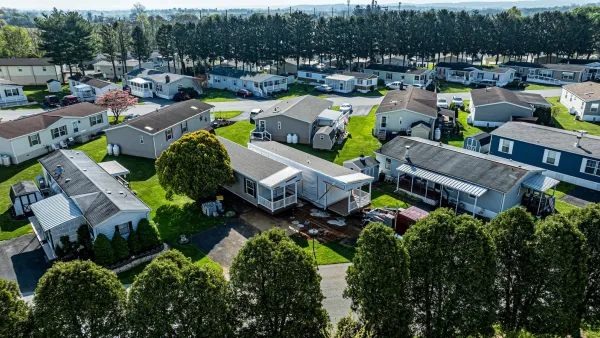
Should the public sector buy mobile home parks?
One writer argues that the crisis facing the nation's mobile home owners warrants public intervention.
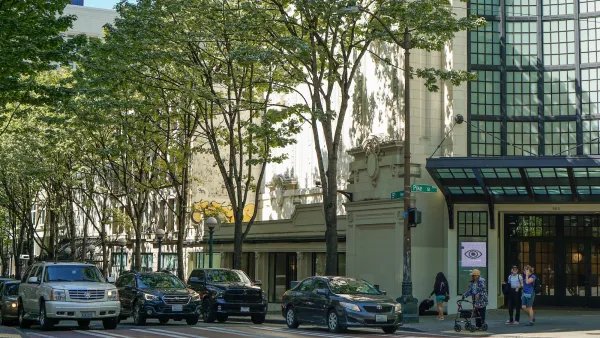
Washington Urban Forestry Program Faces 'Existential' Budget Cut
A proposed budget eliminates funding for a key urban forestry program that funds greening efforts across the state.

Desperate measures: Advocates weigh draining Lake Powell to fill Colorado River
Draining the reservoir could reduce evaporation losses by a couple hundred thousand acre-feet.

Eastern Nebraska is running out of electricity
Data centers and electrification are straining eastern Nebraska’s grid, throttling economic development.

Move over, LA: St. Louis gears up for Olympics, invests millions in downtown redevelopment
The Missouri city will host the 2028 Olympic soccer group stage and knockout matches.

Mass. votes against statewide minimum lot size for single-family homes
Over 2 million residents voted on Question 7; it was decided by just over 30,000 votes.

Maryland’s $15 billion bridge project gains key approval
The Maryland Transit Authority said the project will create over 60,000 jobs and add $23 billion to the local economy.

‘No clear next steps’ for Chicago's permanent festival grounds
Eleventh Ward Ald. Nicole Lee has suggested Soldier Field as a possible location for the permanent event space.

FREE Course: Walkable City 1: Why Walkability?
After describing his path towards focusing on walkability as the essence of good planning, Jeff Speck marches through his five principal reasons for making more walkable places.
Reinventing Malls: Planning Alchemy—Turning Gray Fields Into Gold
The course focuses on the opportunities and imperatives that shape reinvention of mall sites.

City of Rosemead
Rutgers University, Edward J. Bloustein School of Planning and Public Policy
One Hundred Miles
University of Michigan School for Environment and Sustainability (SEAS)
Hunter College, City University of New York (CUNY)
The Architects Foundation
City of Cambridge
Montrose County
The Pocatello Development Authority