A city engineer argues that planners must go beyond code compliance to ensure public infrastructure is truly accessible to all users.


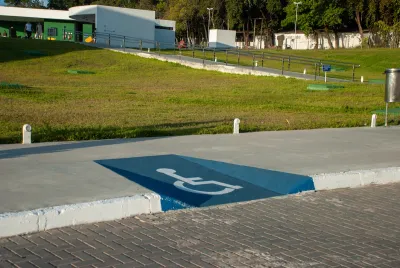
In an opinion piece in Governing, municipal engineer Larry M. Summers describes “how infrastructure quietly shapes public trust” by providing — or not — unobtrusive but critical components of a functional city.
A well-maintained curb ramp or crosswalk might not make the news, but its presence tells a story: Someone thought of you. And its absence tells another.
Summers emphasizes that code compliance does not equal full accessibility. “A perfectly code-compliant sidewalk may still force someone in a wheelchair into the street if the ramp is misaligned. A transit shelter may technically meet specs but fail to provide shade in the hours it's needed most.”
For Summers, ensuring that public infrastructure serves the people who need it is a matter of public ethics. “Ethical infrastructure doesn’t require perfection. But it does require intention. And in a time when trust in public systems is fraying, we should be doing everything we can to build it back.”
FULL STORY: Designing Infrastructure for Humans, Not Just Code Compliance

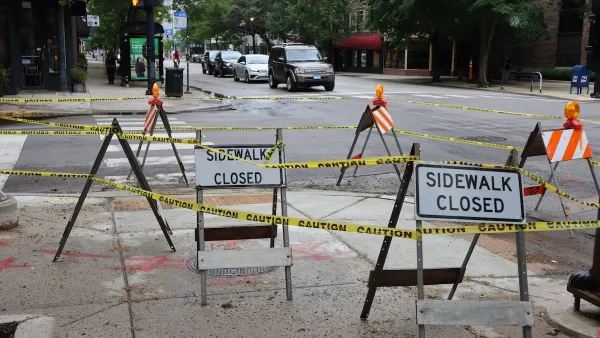
Chicago Residents Sue City Over Inaccessible Sidewalks
The suit alleges the city has failed to create a “coordinated, proactive system” for complying with ADA and ensuring accessibility on the city’s sidewalks and crosswalks.
Knoxville Ranked Best US City for People With Disabilities
An analysis of accessibility, affordability, healthcare access, and other metrics reveals the most disability-friendly U.S. cities.
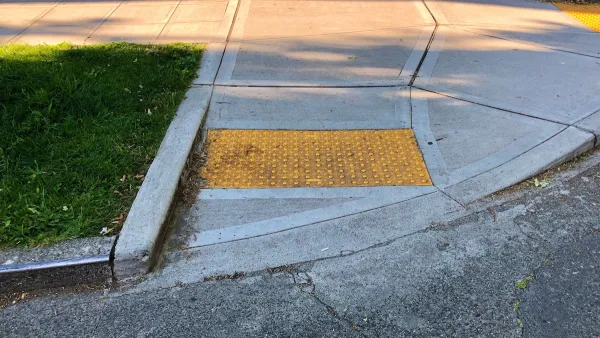
Baltimore Ordered to Improve Sidewalk Accessibility
The city is one of many to face lawsuits for failing to comply with the Americans with Disabilities Act.

Planetizen Federal Action Tracker
A weekly monitor of how Trump’s orders and actions are impacting planners and planning in America.

The state-sanctioned urbicide of Austin
People don’t kill cities. Freeways do.

US to reduce Colorado River water deliveries to Mexico
A new Colorado Treaty amendment reduces Mexico’s Colorado River water allocation by 250,000 acre feet.

Guerilla urbanists are building DIY bus stop benches in Chicago
A before-and-after of one of the bus stops with a new bench. The new benches are not officially sanctioned or permitted, but the residents who placed them hope they will be the start of a network of DIY benches across the city.

Mamdani overhauls NYC's Vision Zero plan with 100 new policy goals
The overhaul aims to reduce traffic deaths and make streets safer for pedestrians, cyclists and drivers through lower speed limits, new safety infrastructure and more.

Amtrak not solely to blame for New Jersey commuter rail's unreliability, report finds
A new study from the Garden State Initiative found that NJ Transit’s budget grew 20% across a 4 year period, but reliability declined significantly over the same period.

FREE Course: Walkable City 1: Why Walkability?
After describing his path towards focusing on walkability as the essence of good planning, Jeff Speck marches through his five principal reasons for making more walkable places.
Reinventing Malls: Planning Alchemy—Turning Gray Fields Into Gold
The course focuses on the opportunities and imperatives that shape reinvention of mall sites.

Eagle County Government
Harvard University Graduate School of Design
Nashville Planning Department
The Architects Foundation
University of Cincinnati Online
The Pocatello Development Authority
The Urban Renewal Agency of the City of Pocatello
Journal of the American Planning Association