“No additional funding from HUD will be forthcoming,” HUD announces.



A “quiet panic” has set in among housing authorities across the US as a $5 billion fund that helps people on the verge of homelessness pay rent is set to run out of money — with no plan in place to replace it.
The US Department of Housing and Urban Development sent letters to local housing authorities in early March informing them that the Emergency Housing Voucher program is expiring with “the expectation that no additional funding from HUD will be forthcoming,” reports Ben Christopher for News From The States.
“For the housing authority staff who received the letter, it remains unclear whether the program is winding down simply because it has run out of funds on its own accord or whether it represents a policy shift from the Trump administration, which has been on an aggressive and often uncoordinated cost cutting tear across the federal bureaucracy,” writes Christopher.
The program supports roughly 60,000 renters and specifically targets the people in most dire need: “people currently living on the street or in shelters, those just on the verge of homelessness and anyone fleeing domestic violence or human trafficking.”
Read News From The States’ detailed report below.
FULL STORY: ‘Quiet panic’ as national rental assistance program set to run out of cash

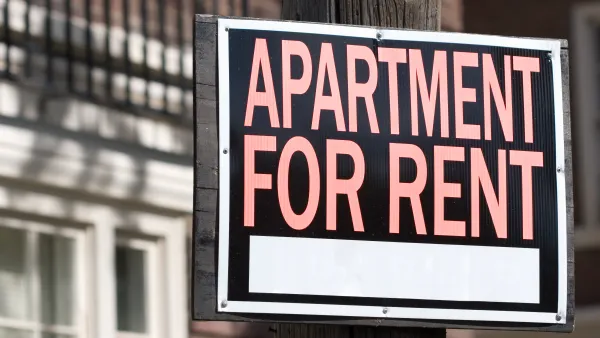
Trump Administration Could Effectively End Housing Voucher Program
Federal officials are eyeing major cuts to the Section 8 program that helps millions of low-income households pay rent.

Trump's “Able Bodied” Public Housing Limits Could Displace Over 300,000 New Yorkers
As part of 43% cut to federal rental assistance, Trump is proposing a two-year limit on public housing tenure for “able bodied adults.”
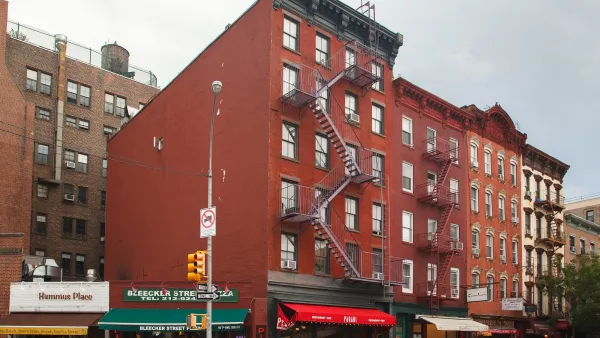
Federal cuts to voucher program put 9,000 New Yorkers at risk of homelessness
The Emergency Housing Voucher program is ending years ahead of schedule, forcing housing agencies to find new ways to support roughly 70,000 households nationwide.

The state-sanctioned urbicide of Austin
People don’t kill cities. Freeways do.

US to reduce Colorado River water deliveries to Mexico
A new Colorado Treaty amendment reduces Mexico’s Colorado River water allocation by 250,000 acre feet.

New Jersey’s second-largest city bans standalone data centers
Jersey City will continue to allow co-location facilities, such as those meant for research institutions that store their own data.

Amtrak not solely to blame for New Jersey commuter rail's unreliability, report finds
A new study from the Garden State Initiative found that NJ Transit’s budget grew 20% across a 4 year period, but reliability declined significantly over the same period.

EPA erases limits on planet-warming pollution from power plants
Under Monday’s plan, power plants would still have some limits on how much mercury, arsenic and other contaminants they can emit.

Phoenix announces new on-demand transit service, more frequent RAPID buses
Both new services will launch in October, and are part of Phoenix's Project Effective Access Solutions for Easing Congestion.

FREE Course: Walkable City 1: Why Walkability?
After describing his path towards focusing on walkability as the essence of good planning, Jeff Speck marches through his five principal reasons for making more walkable places.
Reinventing Malls: Planning Alchemy—Turning Gray Fields Into Gold
The course focuses on the opportunities and imperatives that shape reinvention of mall sites.

Eagle County Government
Harvard University Graduate School of Design
Nashville Planning Department
The Architects Foundation
University of Cincinnati Online
The Pocatello Development Authority
The Urban Renewal Agency of the City of Pocatello
Journal of the American Planning Association