Without additional changes to roadway design, lower speed limits only slightly reduce driving speeds.


Lowering posted speed limits has only a small impact on how fast people drive, according to a study from the University of Minnesota,
As Tim Harlow reports in The Minnesota Star Tribune, a drop in speed limits on residential streets in St. Louis Park led to a 1- to 2-mile-per-hour speed reduction across the city.
Studies show there is little change in speed patterns after a lower speed limit is posted. Drivers are much more influenced by changes to the roadway, its environment and conditions, the Minnesota Department of Transportation said.
According to Gary Davis, a professor in the Civil, Environmental and Geo-Engineering Department at the University of Minnesota, “many drivers have had the habit of going 30 mph on city streets for so long before the speed limit changed, and that it can take time and effort to change behavior.”
FULL STORY: Do lower speed limits on city streets actually slow down drivers?

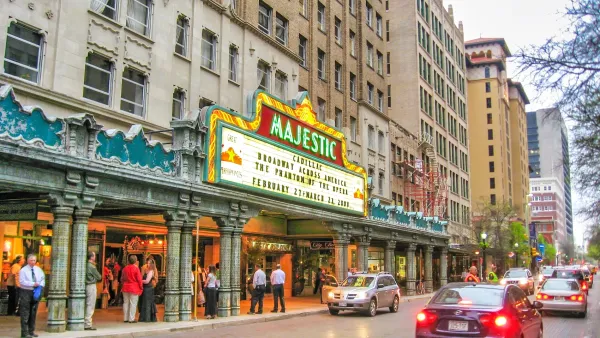
San Antonio could lower speed limit to 25mph
City officials want to lower speed limits and take other steps to reduce speeding and improve traffic safety on neighborhood streets.
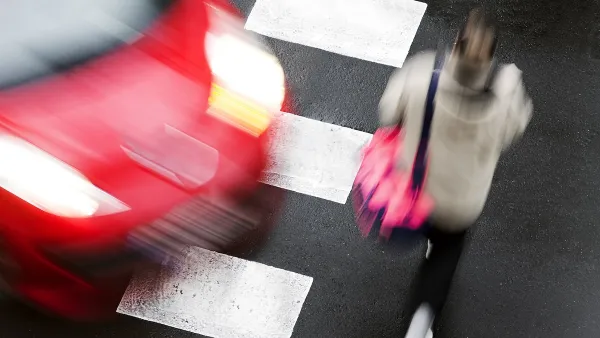
The Weird Way US Cities Set Speed Limits — and Why it’s Changing
The ‘85% rule’ guides speed limits based on how fast most drivers travel, sometimes prompting cities to raise speed limits.
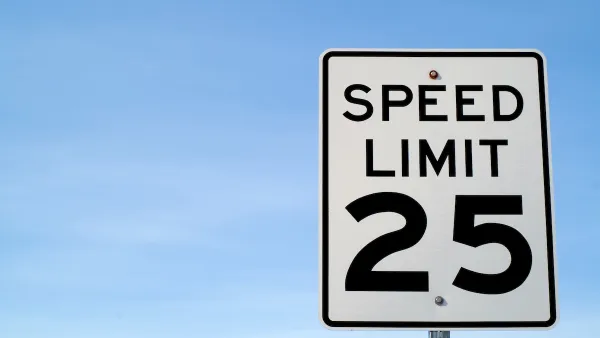
Santa Monica Lowers Speed Limits
Posted speed limits will be reduced by 5 miles per hour on dozens of the city’s streets.

Planetizen Federal Action Tracker
A weekly monitor of how Trump’s orders and actions are impacting planners and planning in America.

The state-sanctioned urbicide of Austin
People don’t kill cities. Freeways do.

US to reduce Colorado River water deliveries to Mexico
A new Colorado Treaty amendment reduces Mexico’s Colorado River water allocation by 250,000 acre feet.

5 New England states march closer to 800 megawatt wind energy project
Securing federal approval for the project may be complicated under the Trump administration, which has historically been hostile towards domestic wind power.

Baltimore to break ground on $50 million Transit Priority Project
The project will bring faster bus trips, safer streets and better bike connections to Baltimore.

Airbnb launches $250 million 'last-dollar financing' housing accelerator, makes first investment in Austin
The company will put $6.4 million towards affordable housing development in Texas’ capital.

FREE Course: Walkable City 1: Why Walkability?
After describing his path towards focusing on walkability as the essence of good planning, Jeff Speck marches through his five principal reasons for making more walkable places.
Reinventing Malls: Planning Alchemy—Turning Gray Fields Into Gold
The course focuses on the opportunities and imperatives that shape reinvention of mall sites.

.jpg)
Eagle County Government
Harvard University Graduate School of Design
Nashville Planning Department
The Architects Foundation
University of Cincinnati Online
The Pocatello Development Authority
The Urban Renewal Agency of the City of Pocatello
Journal of the American Planning Association