Homeowners in Southern California are starting to take advantage of a state law that allows lot splitting and higher density in residential areas in an effort to increase housing supply and affordability.


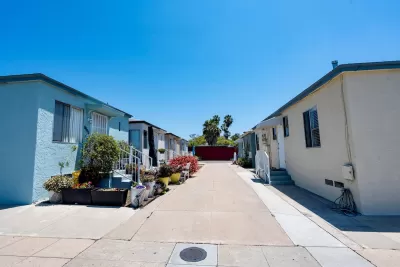
Three years after a law allowing lot splitting was passed in California, San Diego is starting to see its effects as homeowners sell off or build on previously unused parts of their properties.
According to a KPBS article by Andrew Bowen, “SB 9, or the California HOME Act, allows homeowners to split their lots in two and build up to two homes on each parcel — even if local zoning restricts the property to a single detached house.”
The bill’s passage in 2021 was considered a victory for housing advocates who want to lower barriers to building more housing, but cities and homeowner groups continue to fight the law in courts and through more creative means.
“It does take a while for the general public to know about the law, and for planning departments to adjust to state laws,” says Muhammad Alameldin, a policy associate at UC Berkeley's Terner Center for Housing Innovation. For the law to make an impact on the housing supply, builders who specialize in small-scale infill can help homeowners understand the process and access resources to lower the costs of construction, Bowen writes. Cities including Sacramento and Los Angeles are also working to eliminate barriers and reduce costs for homeowners in other ways, such as issuing pre-approved plans for accessory dwelling units (ADUs).
FULL STORY: Three years into California duplex law, San Diego homeowners start to cash in

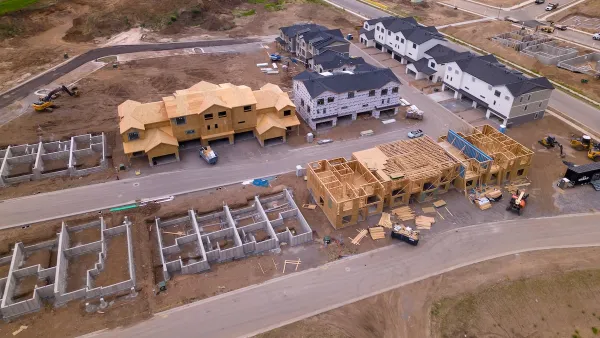
‘Montana Miracle:’ The State Actually Succeeding at Housing Reform
A series of ambitious zoning reforms is having a significant impact on the state’s housing supply.

Washington State Bills Would Boost Housing in Rural Areas
Several proposed laws could make way for more housing development outside the state’s major city centers.
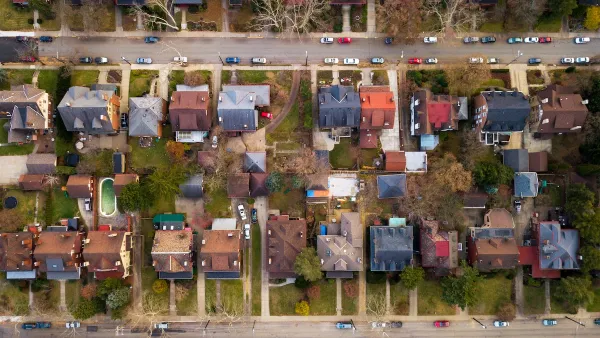
Can Zoning Reform Save Pittsburgh’s Affordable Housing?
With home sale prices growing faster than anywhere in the country, the Steel City could enact major reforms to boost density and lower housing costs.

Planetizen Federal Action Tracker
A weekly monitor of how Trump’s orders and actions are impacting planners and planning in America.

The state-sanctioned urbicide of Austin
People don’t kill cities. Freeways do.

US to reduce Colorado River water deliveries to Mexico
A new Colorado Treaty amendment reduces Mexico’s Colorado River water allocation by 250,000 acre feet.

Baltimore to break ground on $50 million Transit Priority Project
The project will bring faster bus trips, safer streets and better bike connections to Baltimore.

Airbnb launches $250 million 'last-dollar financing' housing accelerator, makes first investment in Austin
The company will put $6.4 million towards affordable housing development in Texas’ capital.

Guerilla urbanists are building DIY bus stop benches in Chicago
A before-and-after of one of the bus stops with a new bench. The new benches are not officially sanctioned or permitted, but the residents who placed them hope they will be the start of a network of DIY benches across the city.

FREE Course: Walkable City 1: Why Walkability?
After describing his path towards focusing on walkability as the essence of good planning, Jeff Speck marches through his five principal reasons for making more walkable places.
Reinventing Malls: Planning Alchemy—Turning Gray Fields Into Gold
The course focuses on the opportunities and imperatives that shape reinvention of mall sites.

Eagle County Government
Harvard University Graduate School of Design
Nashville Planning Department
The Architects Foundation
University of Cincinnati Online
The Pocatello Development Authority
The Urban Renewal Agency of the City of Pocatello
Journal of the American Planning Association