Parking reform advocates say separating the cost of parking from rent can promote more sustainable transportation choices and reduce driving.


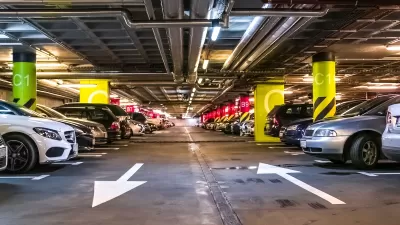
A study from Melbourne, Australia reveals that more than 40 percent of renters would be open to paying for parking separately from rent, with more than a third saying their parking needs don’t match the availability in their buildings, writes Chris McCahill in Streetsblog USA.
According to the researchers, “living in a household with two or more cars increased the odds of being receptive to unbundling off-street car-parking by over three times.”
Proponents of unbundled parking say the practice can promote more sustainable transportation choices. According to Planetizen blogger Todd Litman, “Reducing minimums and unbundling parking can typically reduce the costs of basic, lower-priced housing by 10 to 20 percent and provide thousands of dollars in annual transportation savings for households in multimodal urban neighborhoods.”
Read the full story: Study: People Want to Pay for Parking Separately From Rent

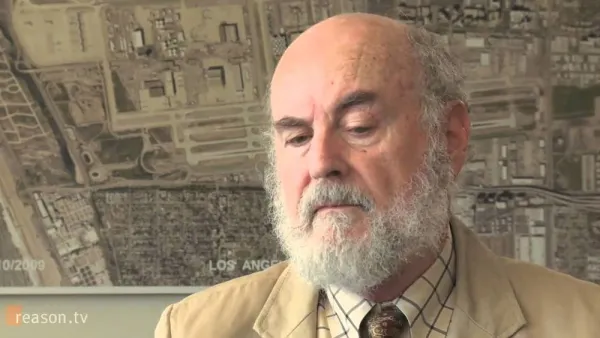
Legendary Parking Guru Donald Shoup Dies at 86
Urbanists are mourning the loss of a dynamic voice for parking reform and walkable cities.
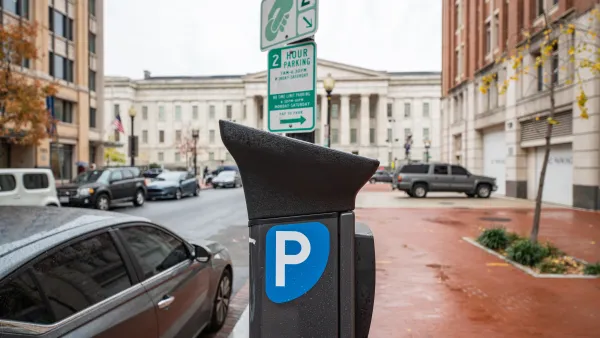
D.C. Residents Heavily Subsidize Residential Parking
The District is losing out on hundreds of thousands in potential revenue while encouraging residents to store cars on valuable public land.
The Softer Side Of Shoupism
Journalist Harry Grabar takes Prof. Don Shoup's economic theories about parking (and over-parking) and illustrates them with compelling—and terrifying—stories about the role parking plays in America's cities.

Planetizen Federal Action Tracker
A weekly monitor of how Trump’s orders and actions are impacting planners and planning in America.

California plans to bury El Niño’s downpour
If the state plays its cards right, it may be able to store a billion acre-feet of El Niño’s water in aquifers.

Chicago breaks ground on $3 billion megadevelopment
The new neighborhood, titled Foundry Park, will one day host 3,700 residences.

California High-Speed Rail Authority CEO resigns after $600,000 scandal
Under Ian Choudri, the authority used taxpayer dollars to fund first class flights and trips to nightclubs.

Want to study the Missouri River? Soon, you may need unanimous approval from 10 states
Legislation would require 10 governors’ permission to study or build projects moving water outside the basin.

Desperate measures: Advocates weigh draining Lake Powell to fill Colorado River
Draining the reservoir could reduce evaporation losses by a couple hundred thousand acre-feet.

FREE Course: Walkable City 1: Why Walkability?
After describing his path towards focusing on walkability as the essence of good planning, Jeff Speck marches through his five principal reasons for making more walkable places.
Reinventing Malls: Planning Alchemy—Turning Gray Fields Into Gold
The course focuses on the opportunities and imperatives that shape reinvention of mall sites.

City of Rosemead
Rutgers University, Edward J. Bloustein School of Planning and Public Policy
One Hundred Miles
Hunter College, City University of New York (CUNY)
The Architects Foundation
University of Cincinnati Online
City of Cambridge
Montrose County
The Pocatello Development Authority