The program is aimed at helping local and state governments spur housing construction by reducing regulatory barriers.



A $100 million round of federal grants will target state and local efforts to boost housing construction through eliminating regulatory barriers, reports Kriston Capps in Bloomberg CityLab. According to Capps, “Actions across a number of cabinet-level agencies will address permitting, financing and regulations in order to speed up construction.”
Instead of funding individual projects, the goal is to build long-term capacity for increasing the supply of homes organically by providing carrots to cities to reform their zoning ordinances. For example, leaders in Bend, Oregon, received a $5 million grant to develop a five-year plan to ramp up housing construction and address ongoing infrastructure limitations.
The program aims to support local governments in zoning reform efforts. “The HUD and the Department of the Treasury are also expanding low-cost federal financing available to state and local housing agencies through an innovative public-private risk-sharing initiative that has seen tens of thousands of new affordable housing units built since 2021.”
Read the full story: Biden Invests $100 Million to Fuel Housing Construction

The Rise of Zoning Reform
As the housing affordability crisis spread from mainly coastal cities to the rest of the nation, cities and states are taking a serious look at outdated zoning codes that hamper efforts to build more housing.
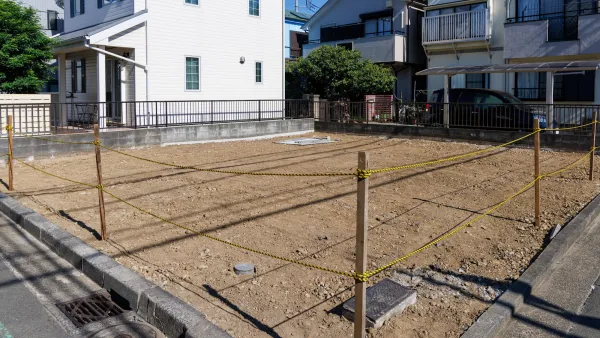
400 Maine Affordable Homes Unable to Break Ground due to Buy America Rules
Projects that receive certain federal funds are required to source 95% of their materials from the United States.
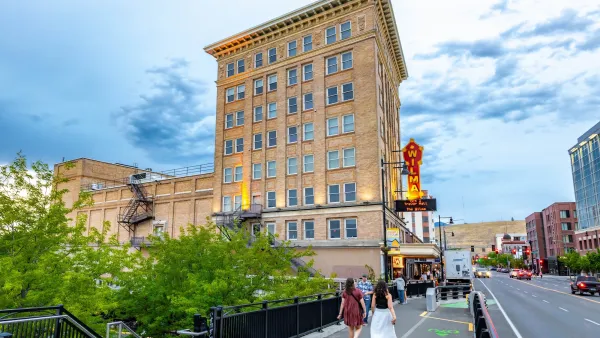
Missoula Approves Zoning Reform Emphasizing More Diverse Housing, Walkability
The city’s new zoning code, map, and development standards will guide more expansive housing options and improved walkability.

Planetizen Federal Action Tracker
A weekly monitor of how Trump’s orders and actions are impacting planners and planning in America.

California plans to bury El Niño’s downpour
If the state plays its cards right, it may be able to store a billion acre-feet of El Niño’s water in aquifers.

Desperate measures: Advocates weigh draining Lake Powell to fill Colorado River
Draining the reservoir could reduce evaporation losses by a couple hundred thousand acre-feet.

In Texas, data centers are swallowing promised parkland
Residents who moved to Taylor, Texas for a rural community now have to contend with three data centers in their backyard.

How a Chicago-sized wind farm beat the odds and powered on
The project spanned five presidential administrations and a standoff with a U.S. military base.

MTA gives itself 30 days to transform pit into basketball court
The site has been under construction since 2022; the city originally estimated it would finish the court in 2024.

FREE Course: Walkable City 1: Why Walkability?
After describing his path towards focusing on walkability as the essence of good planning, Jeff Speck marches through his five principal reasons for making more walkable places.
Reinventing Malls: Planning Alchemy—Turning Gray Fields Into Gold
The course focuses on the opportunities and imperatives that shape reinvention of mall sites.

City of Rosemead
Rutgers University, Edward J. Bloustein School of Planning and Public Policy
One Hundred Miles
Hunter College, City University of New York (CUNY)
The Architects Foundation
University of Cincinnati Online
City of Cambridge
Montrose County
The Pocatello Development Authority