Once bleeding population, rural areas gained population once again in 2023.


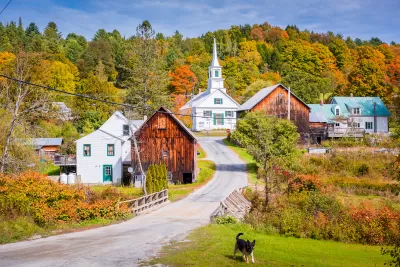
Rural communities in the United States gained population for a second year running in 2023, reports Sarah Melotte in the Daily Yonder. The number of people living in nonmentropolitan areas grew by 109,000 residents, or 0.24 percent, between 2022 and 2023.
According to Melotte, “The gain came primarily in counties that are closest to metropolitan areas and was the result of people moving to those counties from other parts of the country or internationally.” Southern states like Texas and Florida led the way for rural population growth in raw numbers and increase rate, respectively.
The growth reverses a trend seen in the 2010s, when rural areas lost roughly 300,000 people.
Major metropolitan areas gained 128,000 residents, signaling a return to pre-pandemic growth levels after losing population during the early phases of Covid-19. Meanwhile, “The biggest gains in population occurred in the suburbs of medium-sized metros, which added 183,000 residents to the population, a 1% growth since 2022.”
FULL STORY: Rural Population Grows for Second Consecutive Year


Without International Immigrants, the Rural US Population Would Be Falling 58%
Census data shows that population growth in rural areas is due in large part to international migrants.

How Georgia’s Drop in Per Capita Income Presaged Its Rural Demographic Collapse
Before a collapse in Georgia’s rural counties population, a decade of drops in per capita income lay the foundation for future trouble.

The Five Most-Changed American Cities
A ranking of population change, home values, and jobs highlights the nation’s most dynamic and most stagnant regions.

Planetizen Federal Action Tracker
A weekly monitor of how Trump’s orders and actions are impacting planners and planning in America.

The state-sanctioned urbicide of Austin
People don’t kill cities. Freeways do.

US to reduce Colorado River water deliveries to Mexico
A new Colorado Treaty amendment reduces Mexico’s Colorado River water allocation by 250,000 acre feet.

Amtrak not solely to blame for New Jersey commuter rail's unreliability, report finds
A new study from the Garden State Initiative found that NJ Transit’s budget grew 20% across a 4 year period, but reliability declined significantly over the same period.

EPA erases limits on planet-warming pollution from power plants
Under Monday’s plan, power plants would still have some limits on how much mercury, arsenic and other contaminants they can emit.

Phoenix announces new on-demand transit service, more frequent RAPID buses
Both new services will launch in October, and are part of Phoenix's Project Effective Access Solutions for Easing Congestion.

FREE Course: Walkable City 1: Why Walkability?
After describing his path towards focusing on walkability as the essence of good planning, Jeff Speck marches through his five principal reasons for making more walkable places.
Reinventing Malls: Planning Alchemy—Turning Gray Fields Into Gold
The course focuses on the opportunities and imperatives that shape reinvention of mall sites.

Eagle County Government
Harvard University Graduate School of Design
Nashville Planning Department
The Architects Foundation
University of Cincinnati Online
The Pocatello Development Authority
The Urban Renewal Agency of the City of Pocatello
Journal of the American Planning Association