A three-block median featuring native plants and bioswales is part of the city’s broader effort to reduce water consumption and pollution.


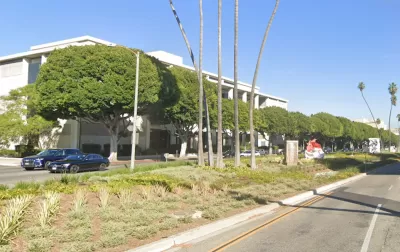
A three-block median in Beverly Hills is thriving as the city’s first ‘green street,’ just in time for this month’s unusually wet weather. As Tabor Brewster reports in Beverly Press, “The Burton Way green street and water efficient landscape project is in the final stages of testing and is set to officially open at a ribbon-cutting ceremony at Rexford Mini Park on Wednesday, Feb. 28, at 11 a.m.”
The project is expected to reduce water pollution and water consumption by collecting rainwater and runoff. “According to environmental compliance and sustainability program manager Josette Descalzo, the project features a storm drain that will divert water – from both rain and excess irrigation – into the median on Burton Way. From there, the water will be filtered by two 15-foot-wide vegetated channels also known as bioswales.”
According to Mayor Julian Gold, the city plans to install more similar projects to meet its sustainability goals. “[California] emergency water regulations also require Beverly Hills to reduce its water consumption by 32%, and this project will save about 5 million gallons of water annually, according to the city.”
Read the full story: City’s first ‘green street’ blossoms on Burton Way
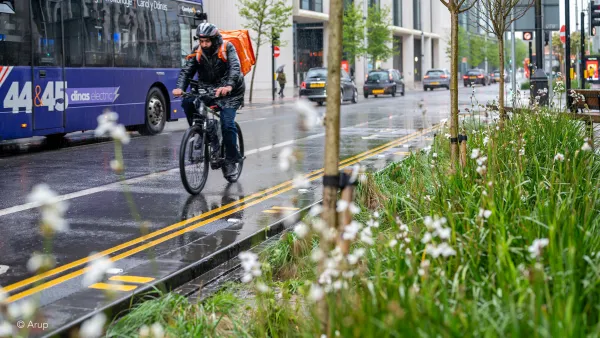
This UK city's bike lanes double as rain gardens and wildlife habitats
Cardiff is combining mobility infrastructure with greening measures to help conserve water, clean the air, and provide shade and greenery.

Winter Road Salt is Making Waterways Toxic to Wildlife
Salt used to clear streets is accumulating in local creeks and rivers and seeping into groundwater, contaminating fresh water supplies.
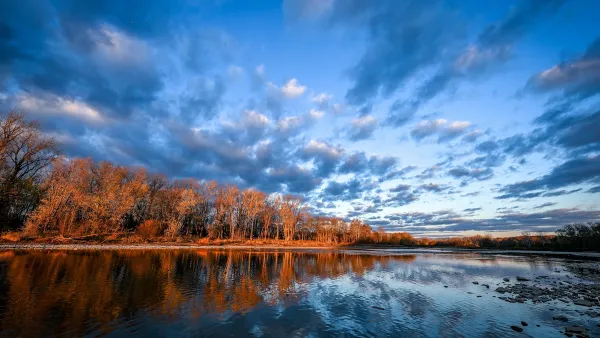
Great Lakes Water Quality Project Seeks to Restore Coastal Vegetation
A plan to restore perennial plants to agricultural land could help reduce runoff and improve water quality across the Great Lakes region.

Planetizen Federal Action Tracker
A weekly monitor of how Trump’s orders and actions are impacting planners and planning in America.

California plans to bury El Niño’s downpour
If the state plays its cards right, it may be able to store a billion acre-feet of El Niño’s water in aquifers.

Desperate measures: Advocates weigh draining Lake Powell to fill Colorado River
Draining the reservoir could reduce evaporation losses by a couple hundred thousand acre-feet.

Chicago voters approve permanent festival grounds, penalty for vacant property owners
Currently, major summer and fall festivals take over public parks for weeks at a time, drawing criticism from nearby residents

NYC votes to cut outdoor dining red tape, speed up permitting
New York City also voted to allow the Department of Transportation to begin work on urgent projects before notifying elected officials.

California appears to reject Prop. 45
The proposition would have expanded the projects that qualify for a streamlined environmental review, effectively paring down the California Environmental Quality Act.

FREE Course: Walkable City 1: Why Walkability?
After describing his path towards focusing on walkability as the essence of good planning, Jeff Speck marches through his five principal reasons for making more walkable places.
Reinventing Malls: Planning Alchemy—Turning Gray Fields Into Gold
The course focuses on the opportunities and imperatives that shape reinvention of mall sites.

City of Rosemead
Rutgers University, Edward J. Bloustein School of Planning and Public Policy
One Hundred Miles
Hunter College, City University of New York (CUNY)
The Architects Foundation
University of Cincinnati Online
City of Cambridge
Montrose County
The Pocatello Development Authority