In some parts of the state, water officials have cut off releases that maintain estuaries and other key coastal habitats.


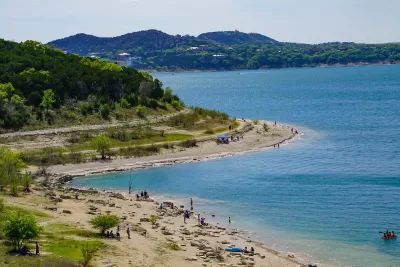
Texas reservoirs are at critically low levels, according to an article by Dylan Baddour in Wired, and conditions are projected to worsen with another hot, dry summer likely coming up.
Regions around the state are declaring states of drought. “ In Corpus Christi, on the south Texas coast, authorities last month stopped releasing water aimed at maintaining minimum viable ecology in the coastal wetlands, even as oil refineries and chemical plants remain exempt from water use restrictions during drought.” Corpus Christi’s reservoirs plunged from 53.7 percent full in 2022 to 30.5 percent full this month.
On the lower Texas coast, the Rio Grande has not been flowing consistently, and Colorado River water releases have been minimal as that river faces shortages farther upstream. Yet industrial water consumers like oil refineries often get a pass, authorized to use millions of gallons of water per day.
The crisis reaches across international borders. “Northern Mexico has experienced its own water crises lately, including a deadly riot at a reservoir dam in 2020 and months of water rationing in 2022 in one of the country’s largest cities. So, it’s been reluctant to release water for Texas farmers, contributing to low levels in the downstream reservoirs.”
FULL STORY: Texas Is Already Running Out of Water

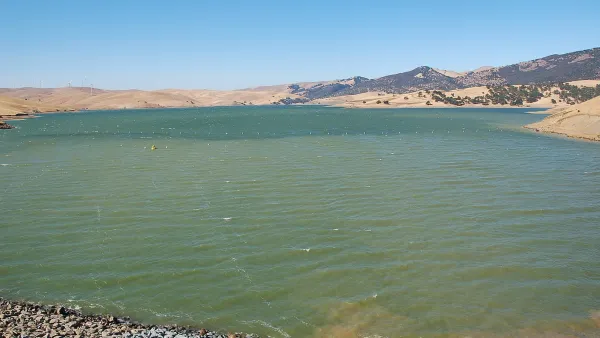
Bay Area Looks To Expand Reservoir As Drought Deepens
The expansion of the Los Vaqueros Reservoir in Brentwood would increase storage capacity and create a more reliable water supply for Northern California communities.
In Need of Water to Grow, North Texas Looks to Controversial Reservoir
The Dallas-Fort Worth region is seeking to boost its water supply by building a new reservoir that opponents claim would destroy thousands of farms, homes, and jobs.
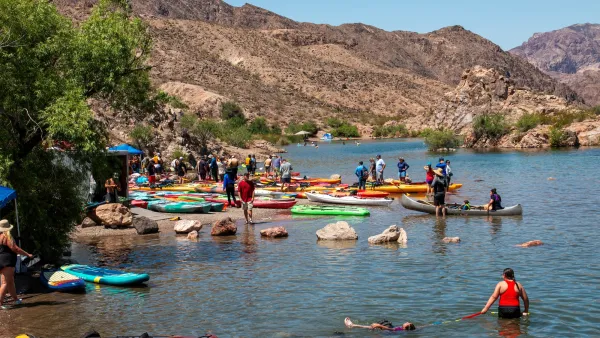
Colorado River States Fail to Strike Deal After ‘Historic Meeting’
The Colorado Basin states have until February 14 to agree on new water conservation measures.

The state-sanctioned urbicide of Austin
People don’t kill cities. Freeways do.

US to reduce Colorado River water deliveries to Mexico
A new Colorado Treaty amendment reduces Mexico’s Colorado River water allocation by 250,000 acre feet.

New Jersey’s second-largest city bans standalone data centers
Jersey City will continue to allow co-location facilities, such as those meant for research institutions that store their own data.

Amtrak not solely to blame for New Jersey commuter rail's unreliability, report finds
A new study from the Garden State Initiative found that NJ Transit’s budget grew 20% across a 4 year period, but reliability declined significantly over the same period.

EPA erases limits on planet-warming pollution from power plants
Under Monday’s plan, power plants would still have some limits on how much mercury, arsenic and other contaminants they can emit.

Phoenix announces new on-demand transit service, more frequent RAPID buses
Both new services will launch in October, and are part of Phoenix's Project Effective Access Solutions for Easing Congestion.

FREE Course: Walkable City 1: Why Walkability?
After describing his path towards focusing on walkability as the essence of good planning, Jeff Speck marches through his five principal reasons for making more walkable places.
Reinventing Malls: Planning Alchemy—Turning Gray Fields Into Gold
The course focuses on the opportunities and imperatives that shape reinvention of mall sites.

Eagle County Government
Harvard University Graduate School of Design
Nashville Planning Department
The Architects Foundation
University of Cincinnati Online
The Pocatello Development Authority
The Urban Renewal Agency of the City of Pocatello
Journal of the American Planning Association