Six principles for building vibrant, accessible communities with a focus on sustainable transportation.


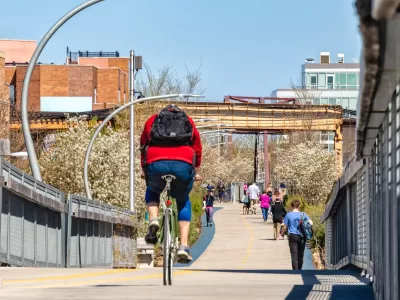
An article by Brendan Hurley in Momentum offers “a brief overview into a strategic framework for urban development that prioritizes sustainable and transit-friendly living” informed by lessons gleaned from Vancouver’s TransLink transit authority using ‘6 Ds.’
“Shaped by a commitment to enhancing transit corridors and discouraging unnecessary driving, the outlined strategies aim to create urban environments that are not only well-connected but also environmentally conscious, fostering a balance between functionality and sustainability,” Hurley writes.
The first D, destinations, emphasizes the need for TOD projects to be in appropriate, high-demand locations. The second, distance, calls for a “fine-grained” pedestrian, bike, and transit network that keeps walking distances manageable between as many destinations as possible.
Other principles include design for bikes and pedestrians, density, and diversity: “A mix of housing types, uses, tenures, sizes, price points, retail, leisure and employment opportunities allows a resilient balance of activities and jobs in easy walking and biking range.”
The final D, demand management, calls for “Measures that make it less easy to drive or that express the real cost of car use” to promote a shift to more sustainable transit modes.
Read the full story: The 6 D’s of Sustainable Transit-Oriented Development

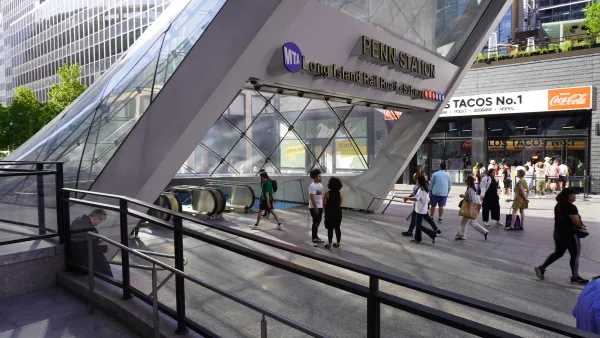
Which US cities have the most housing near transit?
Concentrating housing near frequent, reliable transit offers advantages to both residents and transit agencies, who can serve more riders more efficiently.

Study: Nearly Half of Portland TOD Residents Commute by Transit
People living in transit-oriented developments are more likely to ditch the car and opt for transit or walking, new research shows.
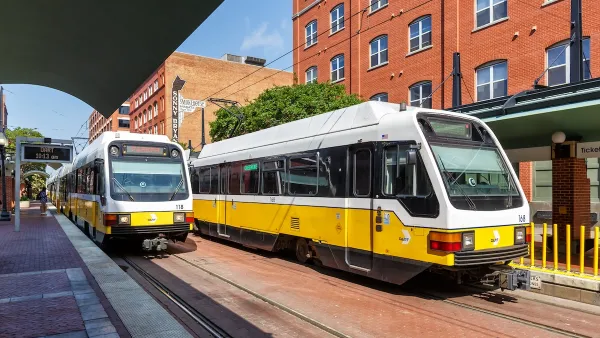
North Texas Transit Leaders Tout Benefits of TOD for Growing Region
At a summit focused on transit-oriented development, policymakers discussed how North Texas’ expanded light rail system can serve as a tool for economic growth.

Planetizen Federal Action Tracker
A weekly monitor of how Trump’s orders and actions are impacting planners and planning in America.

Amtrak, CN end decades-long dispute with eight-year agreement
The new operating agreement establishes an updated framework for the companies to work together, including processes to resolve disputes.

Colorado’s Largest Data Center Could Rise Next to Homes — Without a Public Hearing
The proposed campus would consume 11 times the power of Denver International Airport; as it has across the country, opposition mounts.

'This is going to be painful:’ Virginia stares down $1.7 billion funding gap for highway maintenance
The state may address the deficit by shifting $290 million from its construction budget to maintenance projects.

Judges permit Denver to divert 77,000 acre feet from the Colorado River for reservoir expansion
Overuse and climate change have caused the Colorado River’s water levels to plummet.
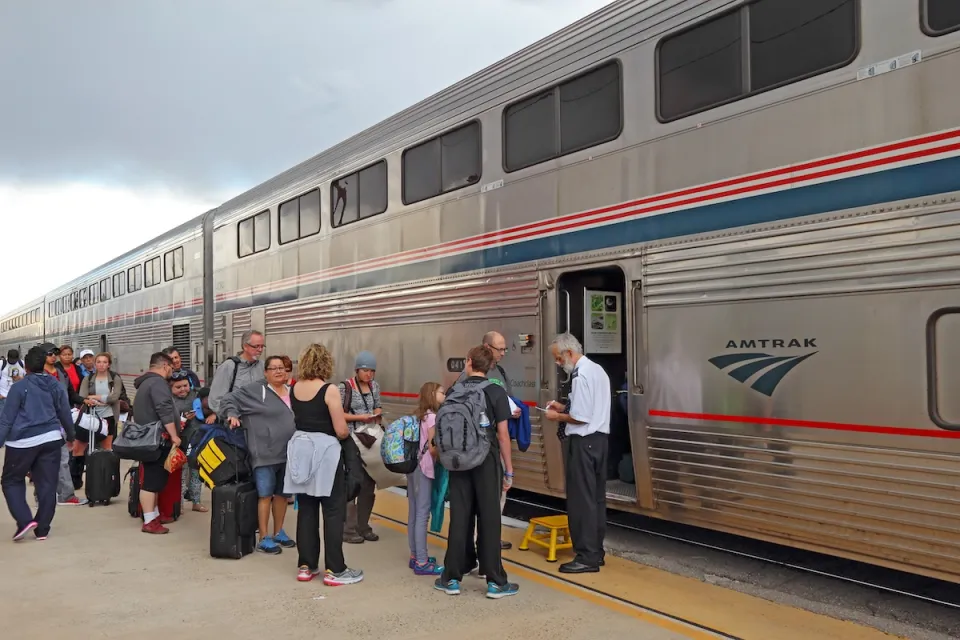
Amtrak, CN end decades-long dispute with eight-year agreement
The new operating agreement establishes an updated framework for the companies to work together, including processes to resolve disputes.

FREE Course: Walkable City 1: Why Walkability?
After describing his path towards focusing on walkability as the essence of good planning, Jeff Speck marches through his five principal reasons for making more walkable places.
Reinventing Malls: Planning Alchemy—Turning Gray Fields Into Gold
The course focuses on the opportunities and imperatives that shape reinvention of mall sites.

KFH Group Inc.
Greater Baltimore Committee
Eagle County Government
The Architects Foundation
University of Cincinnati Online
The Pocatello Development Authority
The Urban Renewal Agency of the City of Pocatello