Data and partnerships have supported the recent development and improvement of sports facilities in underserved communities in Los Angeles County.



Park planning has become increasingly data-driven in recent years. For instance, the Los Angeles County Department of Parks and Recreation (DPR) collects and analyzes a high volume and variety of data to prepare major plans and studies, with key examples including the 2016 Parks Needs Assessment (PNA), Community Parks and Recreation Plans (CPRP) for the most park-poor communities, and the 2022 Parks Needs Assessment Plus (PNA+).
Building on the data collected from the PNA, DPR has completed further analyses to identify areas of the county with the greatest need for sports facilities for youth, including baseball fields, basketball courts, and soccer fields. Not only do the results of such analyses guide DPR’s work, but they have also helped cities and other organizations to more objectively decide where to invest in developing sports facilities.
In the source article, park planner Clement Lau explains how data and partnerships have supported the recent development and improvement of facilities in underserved communities for three of the most popular sports among youth in L.A. County: baseball, basketball, and soccer.
FULL STORY: Calculating Demand: Using data and partnerships to determine sports-field placement

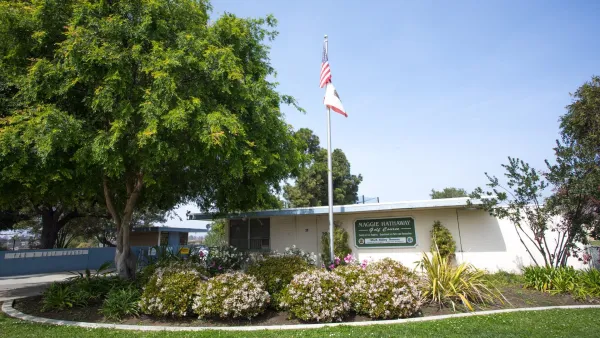
Expanding Access to Golf in South Los Angeles
L.A. County’s Maggie Hathaway Golf Course getting up to $15 Million from U.S. Open Community Legacy Project to expand access to the sport in South L.A.
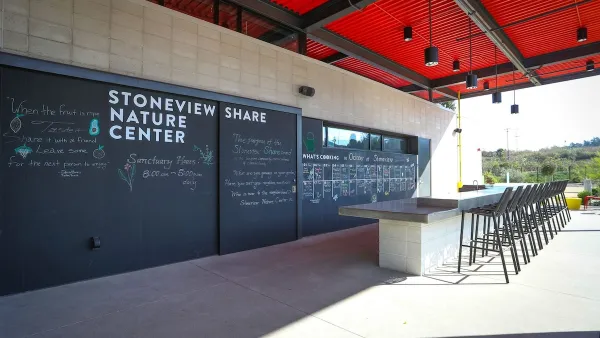
How LA County Parks are Fostering Equity
Los Angeles County's Department of Parks and Recreation actively engages the public through diverse methods to ensure parks and recreation programming align with community needs and priorities.
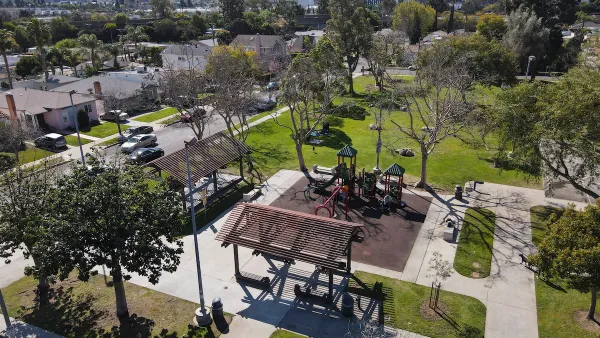
LA County Releases Funding for Parkland Acquisition in Underserved Communities
Los Angeles County has released $14.5 million in Measure A grant funds to support parkland acquisition in high-need areas, aiming to create additional green spaces and advance environmental justice and equity.

Planetizen Federal Action Tracker
A weekly monitor of how Trump’s orders and actions are impacting planners and planning in America.

The state-sanctioned urbicide of Austin
People don’t kill cities. Freeways do.

US to reduce Colorado River water deliveries to Mexico
A new Colorado Treaty amendment reduces Mexico’s Colorado River water allocation by 250,000 acre feet.

5 New England states march closer to 800 megawatt wind energy project
Securing federal approval for the project may be complicated under the Trump administration, which has historically been hostile towards domestic wind power.

Baltimore to break ground on $50 million Transit Priority Project
The project will bring faster bus trips, safer streets and better bike connections to Baltimore.

Airbnb launches $250 million 'last-dollar financing' housing accelerator, makes first investment in Austin
The company will put $6.4 million towards affordable housing development in Texas’ capital.

FREE Course: Walkable City 1: Why Walkability?
After describing his path towards focusing on walkability as the essence of good planning, Jeff Speck marches through his five principal reasons for making more walkable places.
Reinventing Malls: Planning Alchemy—Turning Gray Fields Into Gold
The course focuses on the opportunities and imperatives that shape reinvention of mall sites.

Eagle County Government
Harvard University Graduate School of Design
Nashville Planning Department
The Architects Foundation
University of Cincinnati Online
The Pocatello Development Authority
The Urban Renewal Agency of the City of Pocatello
Journal of the American Planning Association