Since the Covid-19 pandemic began, most U.S. cities saw a sharp rise in the number of trips taken by bike, but a recent plateau indicates a need for better infrastructure to promote continued growth.



New data shows a spike in U.S. bike trips since 2019, writes Laura Bliss in Bloomberg CityLab. New York City saw the sharpest growth—97 percent—as subway riders switched to a more socially distanced mode of travel. Across the country, San Diego saw a 71 percent increase in bike trips. Even famously car-centric Los Angeles saw a 50 percent growth.
Surprisingly, Portland, Oregon saw a 7 percent decrease in bike trips, but still ranks above most American cities for bike trips per capita. And in 2022, bike trips around the country leveled out. According to the report, “the flat line in 2022 is a warning that continued investment in safety-focused active transportation infrastructure … will be critical to re-animating growth.”
FULL STORY: US Bike Trips Have Soared Since 2019


The Rippling Effects of Bike-to-Work Subsidies
A European movement to incentivize people to commute by bicycle is changing travel patterns and making mobility more sustainable.
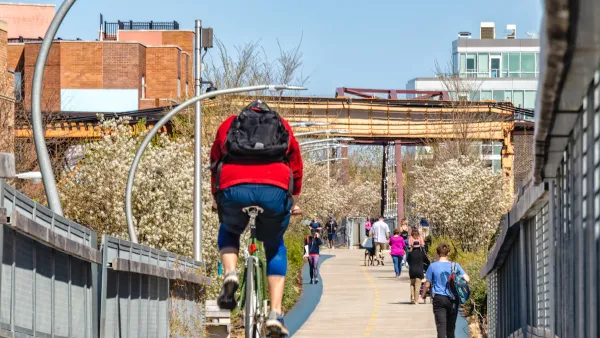
Chicago Leads Nation in Biking Growth
Cycling as a mode share grew faster in the Windy City over the last five years than in any other major U.S. metropolis.
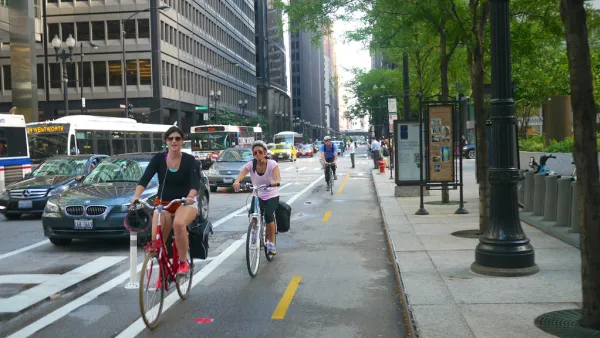
Cycling Rates Remain High Across the Country
The bike boom that began during the pandemic shows no signs of abating, according to a new report.

The state-sanctioned urbicide of Austin
People don’t kill cities. Freeways do.

US to reduce Colorado River water deliveries to Mexico
A new Colorado Treaty amendment reduces Mexico’s Colorado River water allocation by 250,000 acre feet.

New Jersey’s second-largest city bans standalone data centers
Jersey City will continue to allow co-location facilities, such as those meant for research institutions that store their own data.

Amtrak not solely to blame for New Jersey commuter rail's unreliability, report finds
A new study from the Garden State Initiative found that NJ Transit’s budget grew 20% across a 4 year period, but reliability declined significantly over the same period.

EPA erases limits on planet-warming pollution from power plants
Under Monday’s plan, power plants would still have some limits on how much mercury, arsenic and other contaminants they can emit.

Phoenix announces new on-demand transit service, more frequent RAPID buses
Both new services will launch in October, and are part of Phoenix's Project Effective Access Solutions for Easing Congestion.

FREE Course: Walkable City 1: Why Walkability?
After describing his path towards focusing on walkability as the essence of good planning, Jeff Speck marches through his five principal reasons for making more walkable places.
Reinventing Malls: Planning Alchemy—Turning Gray Fields Into Gold
The course focuses on the opportunities and imperatives that shape reinvention of mall sites.

Eagle County Government
Harvard University Graduate School of Design
Nashville Planning Department
The Architects Foundation
University of Cincinnati Online
The Pocatello Development Authority
The Urban Renewal Agency of the City of Pocatello
Journal of the American Planning Association