The GIS tool is designed to help developers find vacant and blighted lots that could be restored for new housing or other uses.


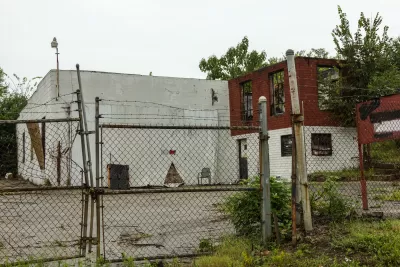
A new GIS tool will help developers in DeKalb County identify “blighted or underused sites” in the region, as well as financial incentives to help move redevelopment projects forward.
According to an article by Josh Green in Urbanize Atlanta, “The layered GIS map is designed to bring brownfield sites to light in a digestible, one-stop-shop way, with pertinent details such as ownership and type of potential hazard listed for hundreds of properties.” The map includes the city of Atlanta.
Although brownfield are defined as sites impacted by environmental contamination, “not all sites on DeKalb’s GIS page need remediation, per the mapping tool.” Local economic development authority Decide DeKalb, who collaborated with the county on the tool, plans to help developers find potential funding sources for site cleanup efforts.
FULL STORY: New tool helps investors find janky development sites across DeKalb

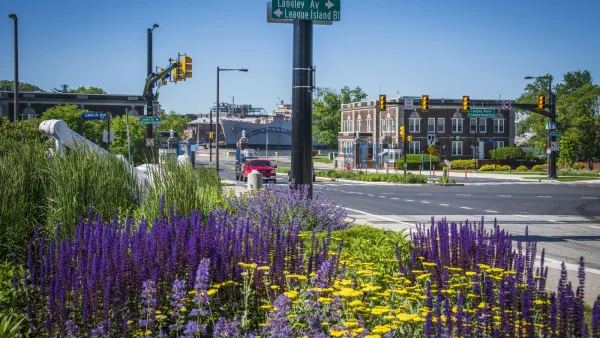
Philadelphia sees 29% drop in gun violence near new green spaces
A city-backed program that cleans up blighted and vacant lots is creating new public spaces and reducing crime in surrounding communities.
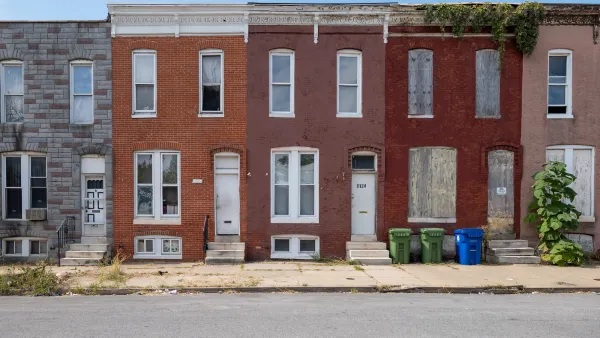
Baltimore Pushes ‘Whole Block’ Redevelopment Plan for Vacant Properties
The city will incentivize developers to take on projects that will renovate or redevelop unused city-owned properties.
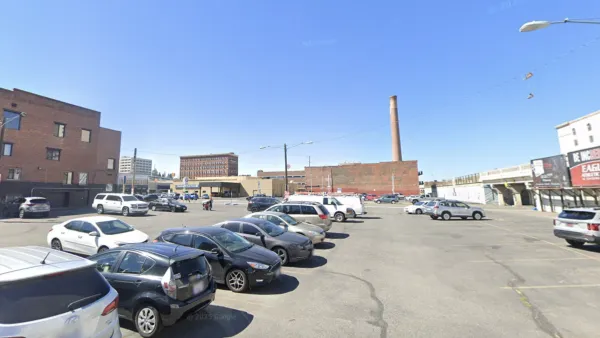
Spokane Could Tax Parking Lots 12% to Increase Development
A proposal before the city council would tax surface parking lots in an effort to boost infill development.

Planetizen Federal Action Tracker
A weekly monitor of how Trump’s orders and actions are impacting planners and planning in America.

The state-sanctioned urbicide of Austin
People don’t kill cities. Freeways do.

US to reduce Colorado River water deliveries to Mexico
A new Colorado Treaty amendment reduces Mexico’s Colorado River water allocation by 250,000 acre feet.

5 New England states march closer to 800 megawatt wind energy project
Securing federal approval for the project may be complicated under the Trump administration, which has historically been hostile towards domestic wind power.

Baltimore to break ground on $50 million Transit Priority Project
The project will bring faster bus trips, safer streets and better bike connections to Baltimore.

Airbnb launches $250 million 'last-dollar financing' housing accelerator, makes first investment in Austin
The company will put $6.4 million towards affordable housing development in Texas’ capital.

FREE Course: Walkable City 1: Why Walkability?
After describing his path towards focusing on walkability as the essence of good planning, Jeff Speck marches through his five principal reasons for making more walkable places.
Reinventing Malls: Planning Alchemy—Turning Gray Fields Into Gold
The course focuses on the opportunities and imperatives that shape reinvention of mall sites.

Eagle County Government
Harvard University Graduate School of Design
Nashville Planning Department
The Architects Foundation
University of Cincinnati Online
The Pocatello Development Authority
The Urban Renewal Agency of the City of Pocatello
Journal of the American Planning Association