With more evidence pointing to the futility of expanding freeways, the state could take a creative approach to improving travel times and providing additional transportation options.


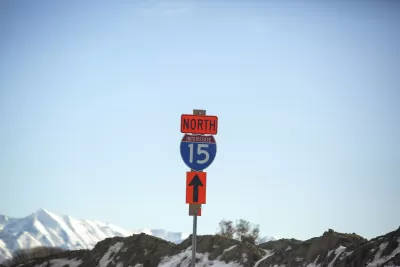
An article by Megan Banta in The Salt Lake Tribune describes the growing opposition to the widening of Interstate 15 in Salt Lake and Davis counties, with some local residents and advocates including Salt Lake City Mayor Erin Mendenhall questioning the utility of adding roadway capacity.
DOT projections show that travel times would, in the long term, be reduced or grow by less than they would without road expansion. “But study after study has shown that while widening highways reduces travel times at first, traffic returns as people change their behaviors,” Banta notes. “Meanwhile, Salt Lake City’s west-side residents are continuing to question the wisdom of I-15 expansion at the expense of air quality and possible razing of homes to accommodate the project.”
The Utah Department of Transportation claims its plans to expand Interstate 15 are “part of a comprehensive approach to meeting transportation demand through the year 2050 that includes added capacity to FrontRunner, additional bus service, local and regional roadway improvements and new facilities for those who walk and bike.” Pointing to evidence about induced demand and other ways that expanding freeways often fails to reduce traffic, Banta writes that Utah officials could instead implement congestion pricing and improve transit to give people accessible and reliable options for opting out of their cars.

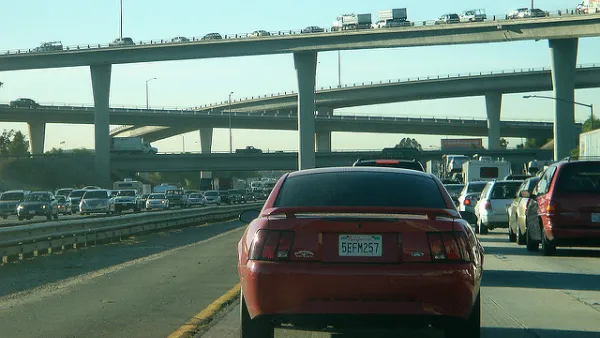
If You Build It, Cars Will Come: the Common-Sense Logic of 'Induced Demand'
Highway expansion has been shown, time and again, to increase traffic and congestion. Cities are finally getting the message.
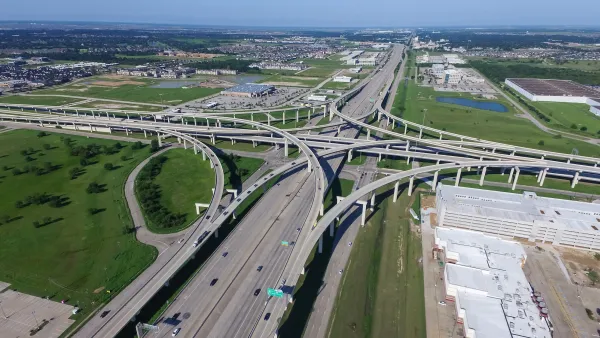
Induced demand is real: Commutes on Houston's 26-lane freeway take 51% longer after expansion
A massive freeway expansion only led to longer drive times, showing that building more lanes won't solve congestion.
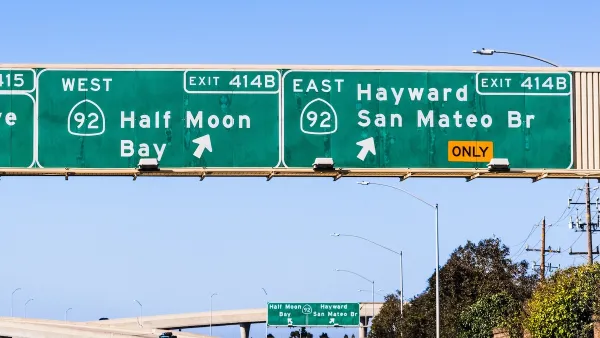
San Mateo Formally Opposes Freeway Project
The city council will send a letter to Caltrans urging the agency to reconsider a plan to expand the 101 through the city of San Mateo.

Planetizen Federal Action Tracker
A weekly monitor of how Trump’s orders and actions are impacting planners and planning in America.

The state-sanctioned urbicide of Austin
People don’t kill cities. Freeways do.

US to reduce Colorado River water deliveries to Mexico
A new Colorado Treaty amendment reduces Mexico’s Colorado River water allocation by 250,000 acre feet.

5 New England states march closer to 800 megawatt wind energy project
Securing federal approval for the project may be complicated under the Trump administration, which has historically been hostile towards domestic wind power.

Baltimore to break ground on $50 million Transit Priority Project
The project will bring faster bus trips, safer streets and better bike connections to Baltimore.

Airbnb launches $250 million 'last-dollar financing' housing accelerator, makes first investment in Austin
The company will put $6.4 million towards affordable housing development in Texas’ capital.

FREE Course: Walkable City 1: Why Walkability?
After describing his path towards focusing on walkability as the essence of good planning, Jeff Speck marches through his five principal reasons for making more walkable places.
Reinventing Malls: Planning Alchemy—Turning Gray Fields Into Gold
The course focuses on the opportunities and imperatives that shape reinvention of mall sites.

Eagle County Government
Harvard University Graduate School of Design
Nashville Planning Department
The Architects Foundation
University of Cincinnati Online
The Pocatello Development Authority
The Urban Renewal Agency of the City of Pocatello
Journal of the American Planning Association