The grant program focuses on the use of technology to improve safety, accessibility, and efficiency in transportation.


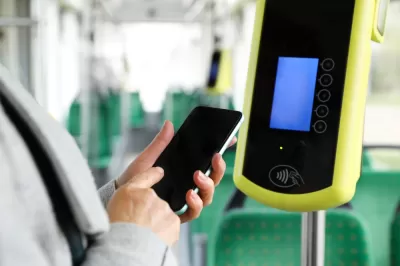
The U.S. Department of Transportation announced over $94 million in grants designed to “leverage technology to create safer, more equitable, efficient, and innovative transportation systems,” according to a press release from USDOT.
The Strengthening Mobility and Revolutionizing Transportation (SMART) Grants Program, established by the Bipartisan Infrastructure Law, awards grants to projects including improving work zone safety, enhancing transit reliability, speed, and payment systems, smart traffic signals, improving curb management, technology that enhances safety for trucks and aircraft, smart grid projects, and data collection projects that can inform better transportation planning and management. “Sensor deployments will enable new data collection and operational approaches, ranging from a flood warning system in Harris County, Texas, to crash detection in Nashville, to improved safety at Seattle’s at-grade rail crossings.”
The press release adds, “The maximum award per project was $2,000,000 for this round of funding. The next funding opportunity of $100 million is expected to be released Fall, 2023.” The program is allocated $500 million over five years.
Read the full story: Biden-Harris Administration Funds Innovative Projects to Create Safer, More Equitable, Transportation Systems

Small Cities at Disadvantage to Win Federal Safe Street Grants
Funding from the Bipartisan Infrastructure Law aimed at making streets safer is being awarded through a competitive grant program, but it’s not going to the communities that need it most, an investigation shows.
Court unfreezes $20B in federal climate grants
A U.S. Court of Appeals ruled that the Trump administration potentially violated the Inflation Reduction Act by attempting to claw back grants awarded under the Greenhouse Gas Reduction Fund program.

America's 'roundabout city' is in … Indiana?
Carmel, Indiana has built over 150 roundabouts as part of a broader mobility and development strategy.

Planetizen Federal Action Tracker
A weekly monitor of how Trump’s orders and actions are impacting planners and planning in America.

California plans to bury El Niño’s downpour
If the state plays its cards right, it may be able to store a billion acre-feet of El Niño’s water in aquifers.

Desperate measures: Advocates weigh draining Lake Powell to fill Colorado River
Draining the reservoir could reduce evaporation losses by a couple hundred thousand acre-feet.

In Texas, data centers are swallowing promised parkland
Residents who moved to Taylor, Texas for a rural community now have to contend with three data centers in their backyard.

How a Chicago-sized wind farm beat the odds and powered on
The project spanned five presidential administrations and a standoff with a U.S. military base.

MTA gives itself 30 days to transform pit into basketball court
The site has been under construction since 2022; the city originally estimated it would finish the court in 2024.

FREE Course: Walkable City 1: Why Walkability?
After describing his path towards focusing on walkability as the essence of good planning, Jeff Speck marches through his five principal reasons for making more walkable places.
Reinventing Malls: Planning Alchemy—Turning Gray Fields Into Gold
The course focuses on the opportunities and imperatives that shape reinvention of mall sites.

City of Rosemead
Rutgers University, Edward J. Bloustein School of Planning and Public Policy
One Hundred Miles
Hunter College, City University of New York (CUNY)
The Architects Foundation
University of Cincinnati Online
City of Cambridge
Montrose County
The Pocatello Development Authority