Bipartisan Infrastructure Plan
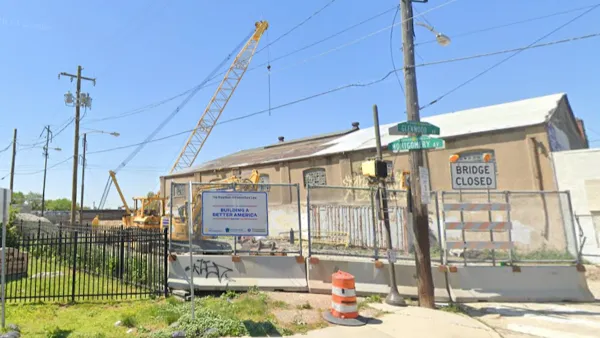
Philadelphia Completes First Bipartisan Infrastructure Law Project
City officials cut the ribbon on a major bridge reconstruction.
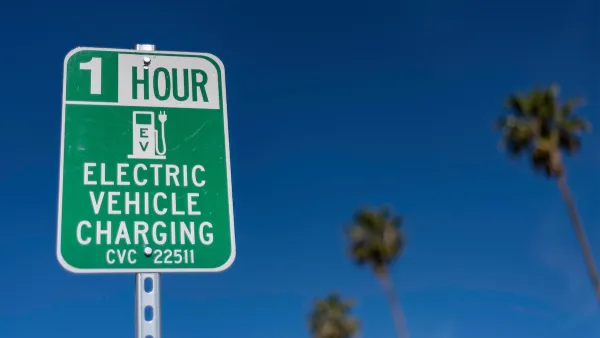
Feds Allocate $150 Million to Fix and Upgrade EV Charging Ports
Funded through the Bipartisan Infrastructure Law, the Electric Vehicle Charger Reliability and Accessibility grant program will help advance the Biden Administration’s goal to have 500,000 public EV chargers in operation by 2030.
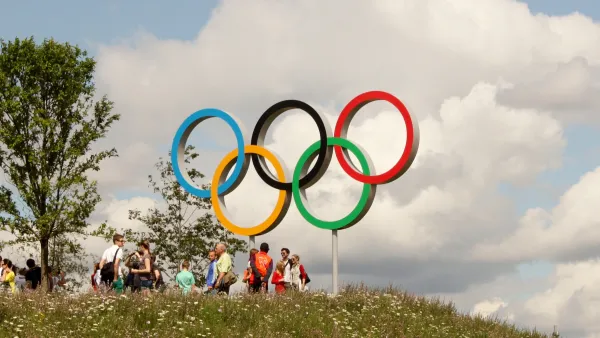
Los Angeles Receives $900M for Infrastructure Ahead of 2028 Olympics
The influx of federal dollars comes as LA has just four more years to complete ambitious transit improvement plans before it is due to host the Summer Olympic Games.
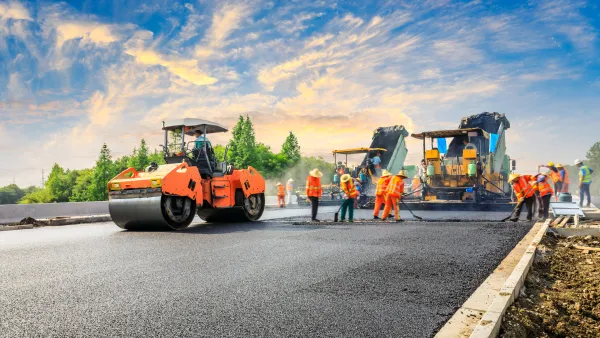
Bipartisan Infrastructure Bill Funds Have ‘Overwhelmingly’ Gone to Highway Projects
A new report says states are creating a “climate time bomb” by spending more than half of federal infrastructure dollars on highway resurfacing and expansion over transit and passenger rail.

Small Cities at Disadvantage to Win Federal Safe Street Grants
Funding from the Bipartisan Infrastructure Law aimed at making streets safer is being awarded through a competitive grant program, but it’s not going to the communities that need it most, an investigation shows.
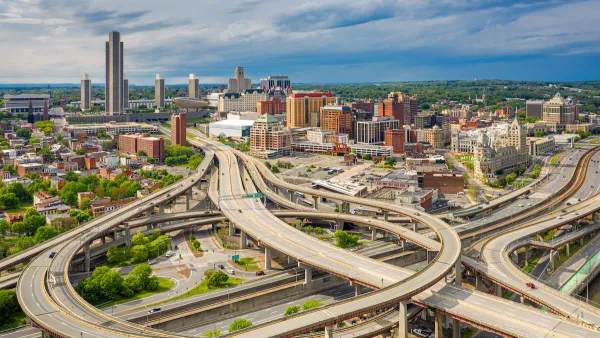
New York State DOT Invests Heavily in Highways Over Transit
So far, the department has allocated 90 percent of its federal transportation funding to road projects and less than 1 percent to transit.
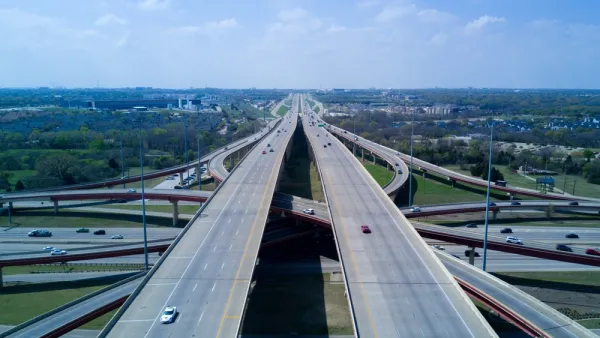
Federal Infrastructure Dollars Funding Road Expansions
Far from kickstarting a transformative change in transportation policy, the 2021 bipartisan infrastructure law continues to fund traditional road-building projects.
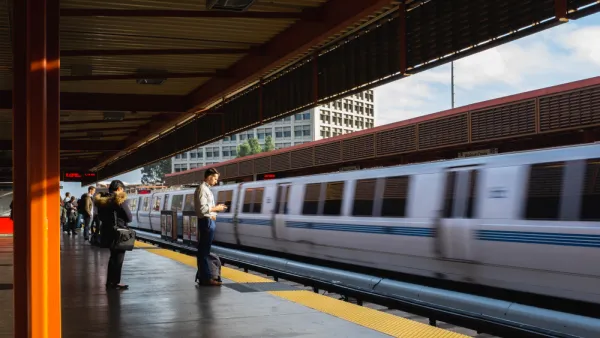
$14 Billion in Federal Transit Funding Announced
The annual formula funding grants support transit facilities and maintenance, electrification and equipment upgrades, and expansion of service.

Federal SMART Grants Awarded for Transportation Safety, Equity Projects
The grant program focuses on the use of technology to improve safety, accessibility, and efficiency in transportation.
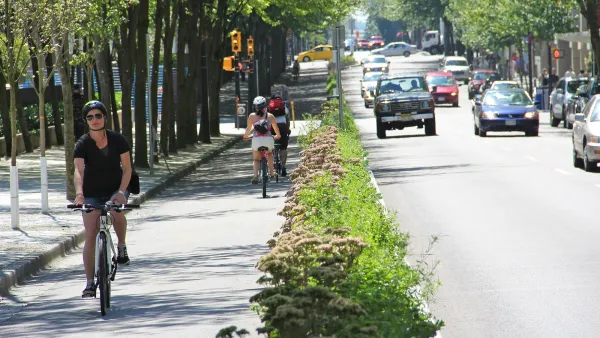
FTA Waives Local Funding Match for Complete Streets Projects
Local and state agencies can apply for federal Complete Streets funding without matching funds until 2026.

FTA Announces $9 Million in Tribal Transit Funding
The money will be distributed among 25 tribal communities to improve key transit services.
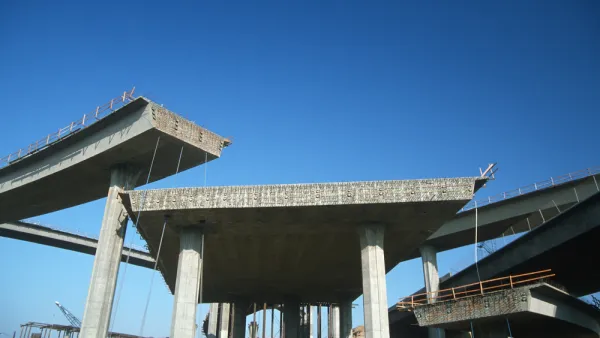
‘Highway Boondoggles’ Report Highlights Nation’s Most Wasteful Projects
The bipartisan infrastructure law, which directs massive investments to state transportation projects, could fast-track some of the most destructive highway expansion projects.
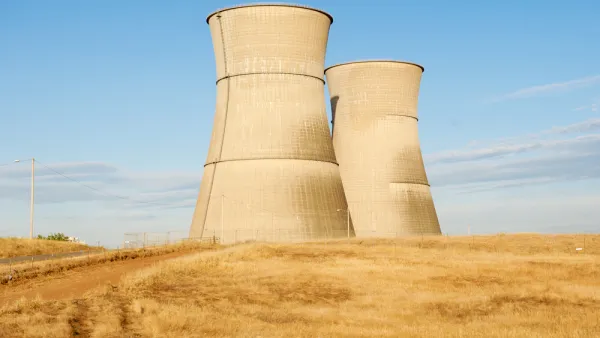
$6 Billion to Keep Uncompetitive Nuclear Plants Alive
The Infrastructure Investment and Jobs Act includes $6 billion to create a credit program to extend the life of existing nuclear power plants, the largest source of carbon-free energy in the nation. The first deadline to bid for credits is May 19.

Partisan Splits for Transportation Politics
Researchers found that while left-leaning respondents were more likely to favor transportation reform and sustainable modes, conservatives are not as far behind as we think.
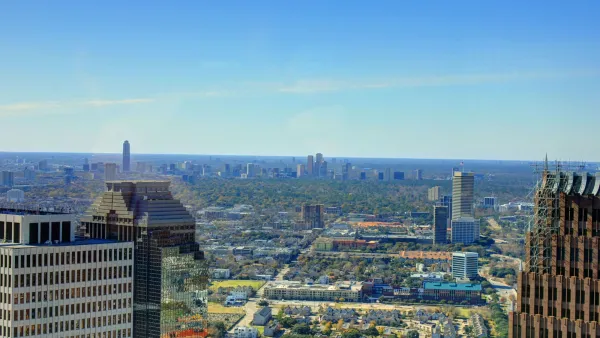
Federal Dollars Could Pave the Way for Greener, More Equitable Infrastructure
Houston's director of Transportation and Drainage Operations wants to see more sustainable development in the city that has historically depended on freeways as its critical infrastructure.
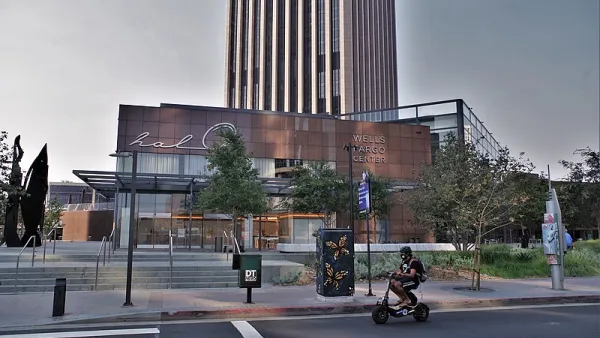
Climate Action: As Simple as Riding an E-Bike
A new e-bike credit, if coupled with improved bike safety infrastructure, could encourage many Americans to replace short car trips with e-bike rides, reducing emissions and congestion.
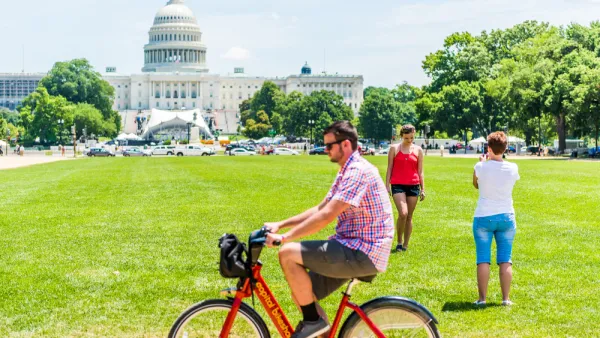
Bipartisan Infrastructure Bill Heads to the House: Details and Reactions From the Planning World
Planetizen gathered explainer posts and advocacy responses that continue to shine a light on the Infrastructure Investment and Jobs Act, approved by the U.S. Senate earlier this month.
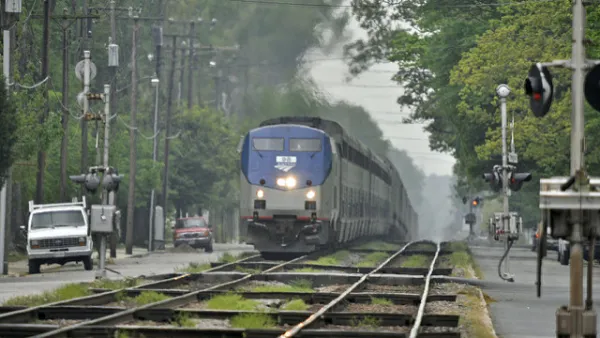
New Infrastructure Bill Guts Transit, EVs, and Safety Programs
The proposed bill keeps road funding almost intact while cutting funding for electrification, rail, and community development.

FREE Course: Walkable City 1: Why Walkability?
After describing his path towards focusing on walkability as the essence of good planning, Jeff Speck marches through his five principal reasons for making more walkable places.
Reinventing Malls: Planning Alchemy—Turning Gray Fields Into Gold
The course focuses on the opportunities and imperatives that shape reinvention of mall sites.

City of Rosemead
Rutgers University, Edward J. Bloustein School of Planning and Public Policy
One Hundred Miles
Hunter College, City University of New York (CUNY)
The Architects Foundation
University of Cincinnati Online
City of Cambridge
Montrose County
The Pocatello Development Authority









