Local governments can apply for part of a $5 million program aimed at helping them identify appropriate sites, preserve affordable housing, and build more housing near transit.


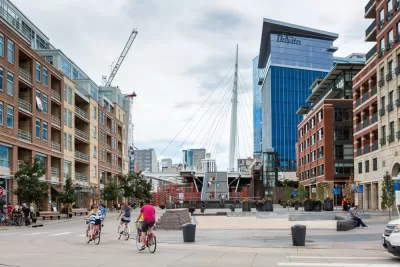
A new program from the Department of Housing and Urban Development (HUD) will fund projects that support transit-oriented housing development. As Daniel C. Vock explains in Route Fifty, the program will prioritize communities with populations under 250,000, with the first $5 million round of the program expected to fund 30 to 35 projects.
The grants are part of a multi-agency effort called Thriving Communities that will use funding from the 2021 infrastructure law to support local governments in four areas:
- Identifying vacant land near transportation projects that can be used to build housing.
- Preserving affordable housing.
- Streamlining the regulatory process for building new housing.
- Improving coordination among government agencies on housing production.
The program will give local governments access to technical assistance to “revive economically distressed areas that have faced historical disinvestment” and build more housing that is accessible and connected to public transit and other transportation infrastructure.
Read the full story: HUD Offers Cities Help to Add Housing Near Transportation Options

Connecticut Zoning Bills in Peril Near End of Legislative Session
Two bills that would change zoning rules to encourage more housing production and denser zoning are still in limbo as the legislature prepares to go on recess.

Utah Could Eliminate Parking Requirements Near Transit
A proposed state bill would bar cities from requiring parking in areas adjacent to transit stations in an effort to make housing production more affordable and encourage walking and transit use.
Arlington County Struggles To Meet Affordable Housing Goals
As the region’s population swells and demand for housing grows, Arlington County considers zoning reform to boost its affordable housing stock.

Planetizen Federal Action Tracker
A weekly monitor of how Trump’s orders and actions are impacting planners and planning in America.

The state-sanctioned urbicide of Austin
People don’t kill cities. Freeways do.

Colorado’s Largest Data Center Could Rise Next to Homes — Without a Public Hearing
The proposed campus would consume 11 times the power of Denver International Airport; as it has across the country, opposition mounts.
Amtrak, CN end decades-long dispute with eight-year agreement
The new operating agreement establishes an updated framework for the companies to work together, including processes to resolve disputes.

Raised interest rates may kill financially vulnerable construction projects
The chief economist at ConstructConnect warns that if construction project owners are negatively impacted by the raised rates, it could result in delayed payments to contractors.
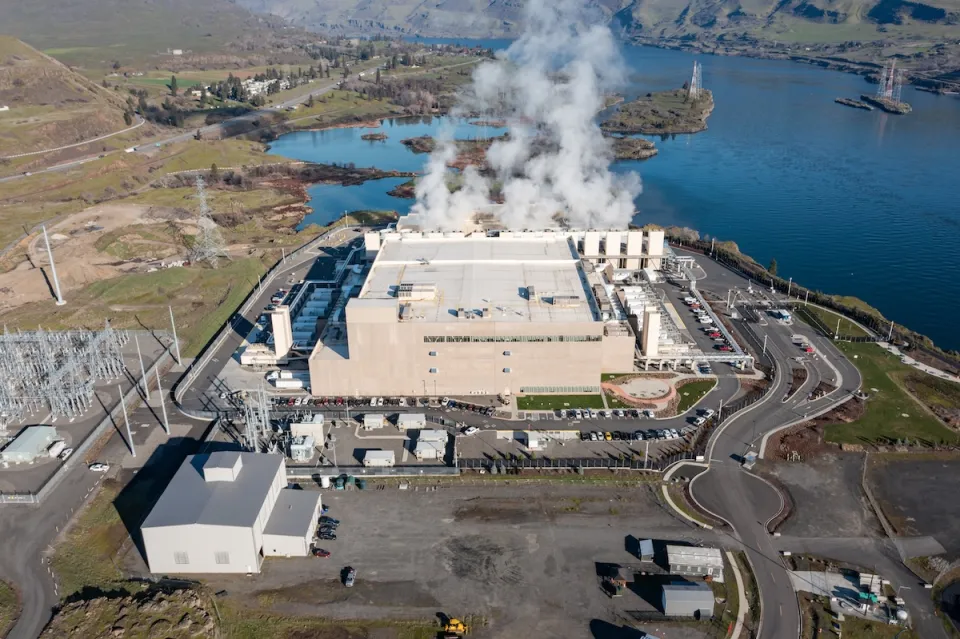
Data centers are consuming nearly 25% of Oregon’s power
The state has 111 data centers, with 32 more either planned or under construction.

FREE Course: Walkable City 1: Why Walkability?
After describing his path towards focusing on walkability as the essence of good planning, Jeff Speck marches through his five principal reasons for making more walkable places.
Reinventing Malls: Planning Alchemy—Turning Gray Fields Into Gold
The course focuses on the opportunities and imperatives that shape reinvention of mall sites.

Greater Baltimore Committee
Eagle County Government
Harvard University Graduate School of Design
The Architects Foundation
University of Cincinnati Online
The Pocatello Development Authority
The Urban Renewal Agency of the City of Pocatello
Journal of the American Planning Association