Smart cities technology is well behind schedule, but the technology industry hasn’t given up on new digital solutions, self-driving cars, curb management, and AI-powered systems.


An article by Danielle McLean for Smart Cities gathers readers responses about the direction they expect technology trends to head in the new year.
“2023 will bring additional federal funding to improve transportation and further momentum around trends like electric bike and car adoption, office-to-housing conversions and more,” writes McLean to introduce the conversation.
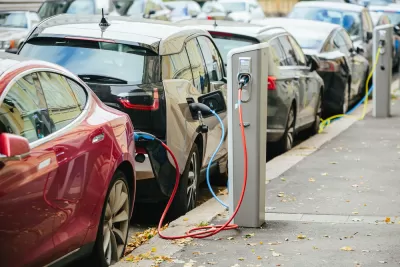
The article lists trends like curb management; “smart transportation,” with a focus on safety and access; digital twins; shared vehicles; digital adoption by state and local governments; electric vehicle charging infrastructure; adaptive reuse; and more.
Some of the responses included in the article are from sources with a financial stake in technologies they are predicting will gain new levels of prominence, so some conflict of interest can be assumed. But as a measure of where the technology industry thinks and hopes it is headed in the near-term, the source article below has a lot more to consider.
FULL STORY: 13 predictions about the trends that will shape smart cities in 2023


Five Years Later, 'Smart Cities Challenge' Promise Unfulfilled
The "Smart Cities Challenge" paid Columbus, Ohio $50 million to kick start a revolution of urban technology. The revolution never arrived, according to a recent assessment by Wired writer Aarian Marshall.

Transportation 2019—Looking Back, Looking Ahead
Some thoughts on what we might have learned in 2018 and what it might mean going forward.
A More Complete Picture of the 'Smart City' Plans in Toronto
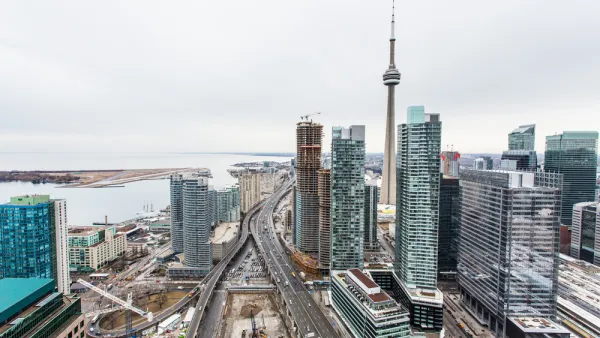
The game changing redevelopment proposed by Sidewalk Labs for the Toronto waterfront district of Quayside took new shape recently after the company presented an updated draft of its plan.

Planetizen Federal Action Tracker
A weekly monitor of how Trump’s orders and actions are impacting planners and planning in America.

The state-sanctioned urbicide of Austin
People don’t kill cities. Freeways do.

US to reduce Colorado River water deliveries to Mexico
A new Colorado Treaty amendment reduces Mexico’s Colorado River water allocation by 250,000 acre feet.

5 New England states march closer to 800 megawatt wind energy project
Securing federal approval for the project may be complicated under the Trump administration, which has historically been hostile towards domestic wind power.

Baltimore to break ground on $50 million Transit Priority Project
The project will bring faster bus trips, safer streets and better bike connections to Baltimore.

Airbnb launches $250 million 'last-dollar financing' housing accelerator, makes first investment in Austin
The company will put $6.4 million towards affordable housing development in Texas’ capital.

FREE Course: Walkable City 1: Why Walkability?
After describing his path towards focusing on walkability as the essence of good planning, Jeff Speck marches through his five principal reasons for making more walkable places.
Reinventing Malls: Planning Alchemy—Turning Gray Fields Into Gold
The course focuses on the opportunities and imperatives that shape reinvention of mall sites.

Eagle County Government
Harvard University Graduate School of Design
Nashville Planning Department
The Architects Foundation
University of Cincinnati Online
The Pocatello Development Authority
The Urban Renewal Agency of the City of Pocatello
Journal of the American Planning Association