Small businesses and nonprofits are eligible for a $5 million fund designed to help the city reach its emissions reduction goals.



A new grant program from the city of Chicago will fund climate projects by small businesses and organizations. As Danielle McLean writes in Smart Cities Dive, the fund is part of the city’s effort to reduce its carbon emissions by 62 percent by 2040.
The $5 million Climate Infrastructure Fund will help small businesses and nonprofits pay for renewable energy and energy efficiency improvements in buildings, purchase electric vehicles and install EV charging stations, and enable green infrastructure solutions that capture stormwater and reduces onsite flooding, the city stated in a press release.
According to the press release, applications will be judged based on “climate mitigation and resilience factors, equity impact, and project readiness.”
FULL STORY: Chicago launches climate infrastructure fund for nonprofits, small businesses

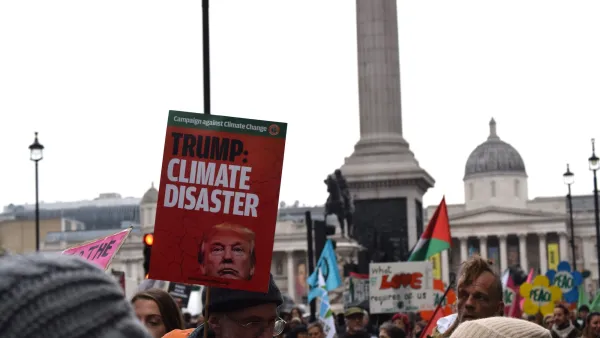
The United States Exits Global Climate Change Network
Mayors from across the U.S. expressed dissatisfaction with the federal government’s decision to withdraw from the United Nations Framework Convention on Climate Change.

Uber Abandons Climate Commitments, Kills EV Incentive for Drivers
The company is dropping its pledge to fully electrify its fleet by 2030 and eliminating a monthly bonus for drivers who switch to EVs.
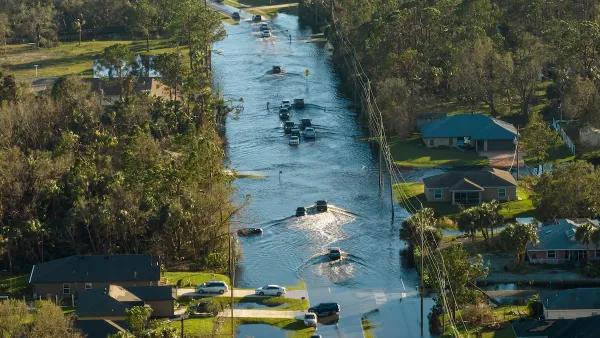
New Florida Law Bars Communities From Planning for Climate, Disaster Resilience
A law aimed at speeding up redevelopment after hurricanes bars “burdensome” land use regulations that could help communities rebuild with more resilience.

The state-sanctioned urbicide of Austin
People don’t kill cities. Freeways do.

US to reduce Colorado River water deliveries to Mexico
A new Colorado Treaty amendment reduces Mexico’s Colorado River water allocation by 250,000 acre feet.

New Jersey’s second-largest city bans standalone data centers
Jersey City will continue to allow co-location facilities, such as those meant for research institutions that store their own data.

Amtrak not solely to blame for New Jersey commuter rail's unreliability, report finds
A new study from the Garden State Initiative found that NJ Transit’s budget grew 20% across a 4 year period, but reliability declined significantly over the same period.

EPA erases limits on planet-warming pollution from power plants
Under Monday’s plan, power plants would still have some limits on how much mercury, arsenic and other contaminants they can emit.

Phoenix announces new on-demand transit service, more frequent RAPID buses
Both new services will launch in October, and are part of Phoenix's Project Effective Access Solutions for Easing Congestion.

FREE Course: Walkable City 1: Why Walkability?
After describing his path towards focusing on walkability as the essence of good planning, Jeff Speck marches through his five principal reasons for making more walkable places.
Reinventing Malls: Planning Alchemy—Turning Gray Fields Into Gold
The course focuses on the opportunities and imperatives that shape reinvention of mall sites.

Eagle County Government
Harvard University Graduate School of Design
Nashville Planning Department
The Architects Foundation
University of Cincinnati Online
The Pocatello Development Authority
The Urban Renewal Agency of the City of Pocatello
Journal of the American Planning Association