Without concerted restoration efforts, the river’s historically low levels could dramatically impact shipping activities and economic development throughout the region.


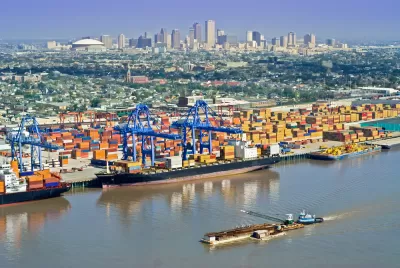
The once ‘mighty’ Mississippi River, whose watershed covers 41 percent of the lower 48 states, is running dry. Writing for American Rivers, Amy Souers Kober reports on the crisis, which is already disrupting goods movement, tourism, and other economic activity along the river.
Home to 241 fish species, 50 species of mammals, and 45 species of amphibians, the Mississippi is a key habitat for resident and migratory animals. Last month, the river hit record low levels, hindering shipping activities and even endangering drinking water supplies. Scientists who study the river expect that climate change will mean less rainfall across the river basin.
If passed by Congress, the Mississippi River Restoration and Resilience Initiative would fund a federal program focused on conservation and restoration of the river. Representative Betty McCollum, who sponsored the legislation, said in a statement on her website, “This initiative will coordinate efforts on conservation and environmental restoration along the entire river corridor and open up grant opportunities for state and local governments, tribes, and nonprofit organizations.”
FULL STORY: The mighty Mississippi running dry: what you need to know

The Year in Public Lands
Public policy decisions that will impact land and water conservation in the American West.
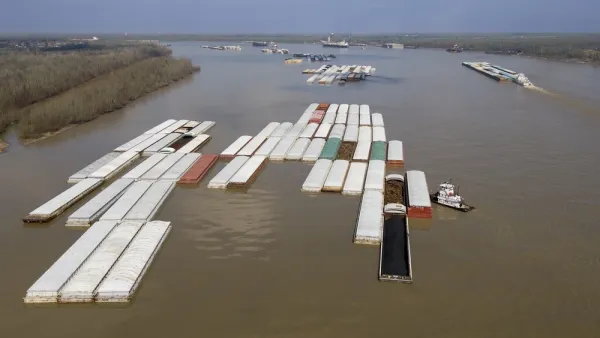
Drought Threatens Mississippi River Shipping Corridor
Disruption of shipping on the Mississippi could imperil food supplies and cost billions in losses.
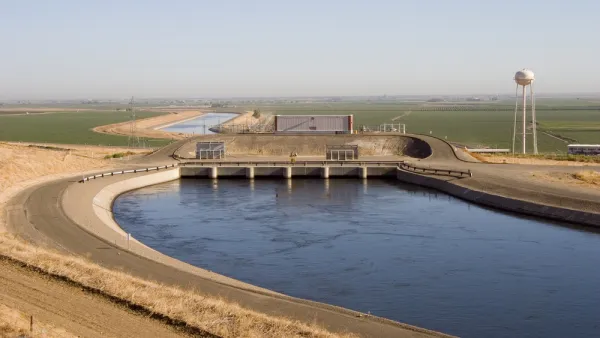
California Water Plan Foretells Tension Between Cities, Farmers
Recognizing the ongoing drought's severity, Sacramento is set to adopt a new statewide conservation plan. But some say the regulations don't place enough pressure on California's agricultural sector.

The state-sanctioned urbicide of Austin
People don’t kill cities. Freeways do.

US to reduce Colorado River water deliveries to Mexico
A new Colorado Treaty amendment reduces Mexico’s Colorado River water allocation by 250,000 acre feet.

New Jersey’s second-largest city bans standalone data centers
Jersey City will continue to allow co-location facilities, such as those meant for research institutions that store their own data.

Amtrak not solely to blame for New Jersey commuter rail's unreliability, report finds
A new study from the Garden State Initiative found that NJ Transit’s budget grew 20% across a 4 year period, but reliability declined significantly over the same period.

EPA erases limits on planet-warming pollution from power plants
Under Monday’s plan, power plants would still have some limits on how much mercury, arsenic and other contaminants they can emit.

Phoenix announces new on-demand transit service, more frequent RAPID buses
Both new services will launch in October, and are part of Phoenix's Project Effective Access Solutions for Easing Congestion.

FREE Course: Walkable City 1: Why Walkability?
After describing his path towards focusing on walkability as the essence of good planning, Jeff Speck marches through his five principal reasons for making more walkable places.
Reinventing Malls: Planning Alchemy—Turning Gray Fields Into Gold
The course focuses on the opportunities and imperatives that shape reinvention of mall sites.

Eagle County Government
Harvard University Graduate School of Design
Nashville Planning Department
The Architects Foundation
University of Cincinnati Online
The Pocatello Development Authority
The Urban Renewal Agency of the City of Pocatello
Journal of the American Planning Association