The Aspen City Council hopes the stricter regulations on short-term rentals and new home construction will stem the astronomical rise of housing costs in the mountain town.



“The Aspen City Council this week approved strict regulations limiting short-term rentals and easing the process for developing affordable housing, concluding seven months of work to rein in a real estate market frenzy that has homes selling for as much as $6,000 a square foot,” according to an article by Jason Blevins in The Colorado Sun. To illustrate the impact of rising housing prices on the town, Blevins notes that “In the first five months of this year, 94 Aspen homes sold for a total of more than $1 billion.”
“The new legislation, which the five-member council approved unanimously in meetings on Tuesday and Thursday, will reduce the number of short-term rental permits, limit the number of annual home demolitions, rezone residential parcels to allow for higher density and impose fees on residential development to pay for workforce housing.”
Per the new rules, “Permits will be issued to individuals, not companies and permits will not transfer when a home sells. The new ordinance reduces permits outside downtown zones with hotels and condo lodging by 25% and raises STR fees by 15%.” It also “reduce[s] the percentage of Aspen homes used for short-term rentals to 8%, from 11%.”
Like other popular vacation towns, “For nearly half a century, end-of-the-road Colorado villages like Aspen, Crested Butte and Telluride have navigated the commodity-versus-community clash with all sorts of fees, caps and regulations meant to protect affordability and local culture. And nothing has really worked, with real estate prices climbing as demand grows and the supply of new homes stalls under the regulation.” As short-term rentals (STRs) proliferate in part thanks to platforms like Airbnb and VRBO and workers suddenly untethered from their jobs thanks to remote work flock to small towns, the city hopes limiting STRs will preserve more affordable workforce housing for locals who find it increasingly difficult to stay in their towns.
Phillip Supino, Aspen’s community development director, called the city’s land use code “an evolving document,” acknowledging the potential for unintended consequences while suggesting that the council stay open to future amendments and adjustments.
Read the full story: Aspen City Council limits short-term rentals, imposes fees on home construction and eases path for affordable housing

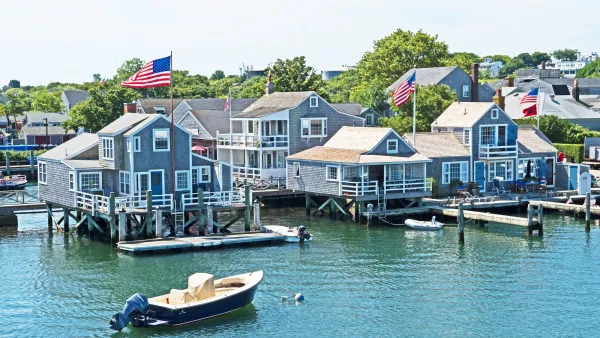
In Nantucket, where over half of homes are for seasonal use, workers struggle to find affordable housing
The island is short roughly 892 to 1,081 rental units.
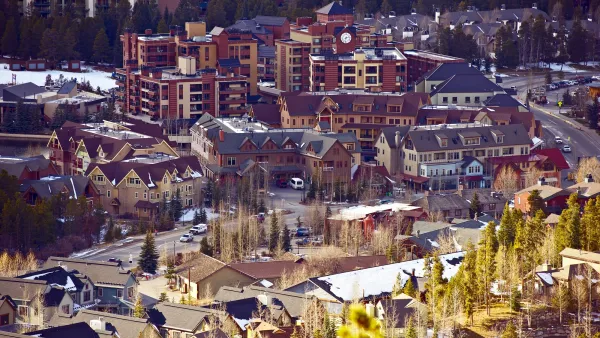
This Colorado Ski Town Saves 75% of its Full-time Housing for Local Workers
Breckenridge has invested millions in creating deed-restricted workforce housing for local residents.
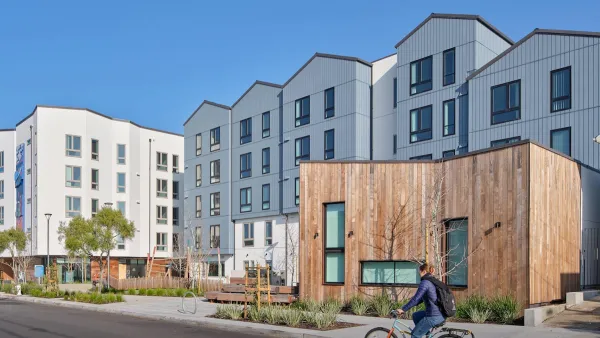
San Francisco's School District Spent $105M To Build Affordable Housing for Teachers — And That's Just the Beginning
SFUSD joins a growing list of school districts using their land holdings to address housing affordability challenges faced by their own employees.

Planetizen Federal Action Tracker
A weekly monitor of how Trump’s orders and actions are impacting planners and planning in America.

California plans to bury El Niño’s downpour
If the state plays its cards right, it may be able to store a billion acre-feet of El Niño’s water in aquifers.

Desperate measures: Advocates weigh draining Lake Powell to fill Colorado River
Draining the reservoir could reduce evaporation losses by a couple hundred thousand acre-feet.

California city breaks ground on transit connector
The project includes three mobility hubs and a pedestrian bridge.

After public outcry, Massachusetts city releases housing development tracker
Cambridge’s tracker currently shows 250 housing projects in various stages of development.

40 years after approval, Chicago breaks ground on new park
The park honors Jean Baptiste Point du Sable, the city’s first permanent non-native settler.

FREE Course: Walkable City 1: Why Walkability?
After describing his path towards focusing on walkability as the essence of good planning, Jeff Speck marches through his five principal reasons for making more walkable places.
Reinventing Malls: Planning Alchemy—Turning Gray Fields Into Gold
The course focuses on the opportunities and imperatives that shape reinvention of mall sites.

City of Rosemead
Rutgers University, Edward J. Bloustein School of Planning and Public Policy
One Hundred Miles
Hunter College, City University of New York (CUNY)
The Architects Foundation
University of Cincinnati Online
City of Cambridge
Montrose County
The Pocatello Development Authority