A D.C. circuit court struck down a rule that limited the agency's regulatory reach to emissions "at the source" in the power sector.


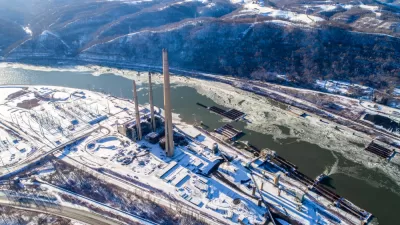
The D.C. Circuit Court of Appeals vacated the EPA's Affordable Clean Energy rule, setting the stage for renewed efforts to regulate emissions at the federal level, reports Ellen M. Gilmer. "The decision undercuts Trump officials’ bid to leave a legacy of deregulation, tossing one of the administration’s highest-profile replacements of aggressive Obama-era environmental rules."
The Trump EPA claimed that the agency could only enforce emissions restrictions "at the source" of power plants, limiting the extent of the agency's power. The court's decision clears the way for a return to the previous administration's "sector-wide approach to reducing emissions." The court rejected the EPA's arguments, asserting that the agency's reading of the Clean Air Act "require[s] the Agency to turn its back on major elements of the systems that the power sector is actually and successfully using to efficiently and cost-effectively achieve the greatest emission reductions."
The ruling will allow the Biden administration to regulate greenhouse gas emissions in the power sector more effectively, but also leaves a "regulatory gap" as the new officials craft a plan. "Environmental lawyers expect new agency leaders to opt for a broad, Clean Power Plan-style approach, but have cautioned that any ambitious regulation will likely invite a skeptical eye from the U.S. Supreme Court’s new 6-to-3 conservative majority."
FULL STORY: EPA’s Industry-Friendly Climate Rule Struck Down by Court (3)

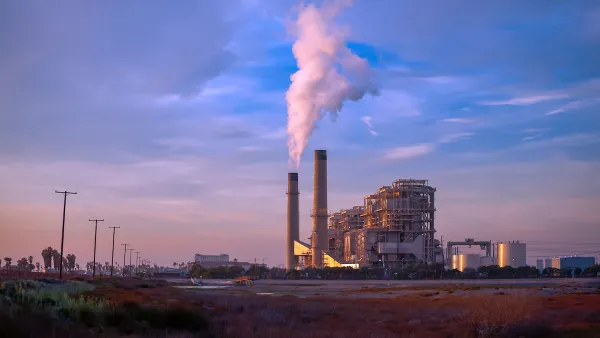
Power Plants: A Win for the EPA
New rules from the US Environmental Protection Agency to regulate greenhouse gas emissions from fossil fuel-fired power plants survived an attempt by 25 Republican-led states to block their implementation while their case is litigated.
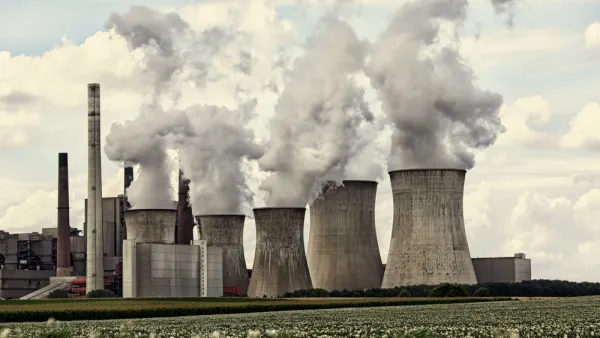
It's Official: Obama's Clean Power Plan Has Been Replaced by the Trump Administration
It took less than a year for the EPA to finalize the Affordable Clean Energy rule, which will allow older coal-burning plants to continue operating, in the Trump administration's most consequential environmental rollback accomplished to date.
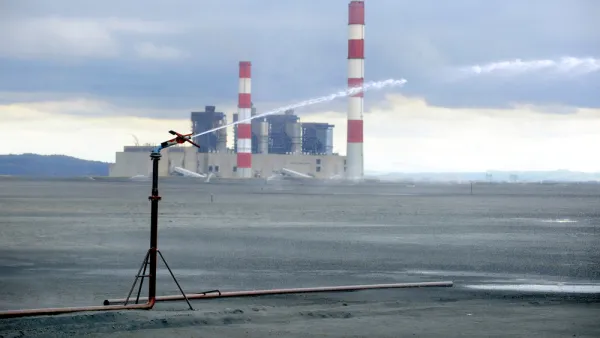
Making Older Coal Power Plants More Efficient Without Making Them Cleaner
At the center of the EPA's newly proposed Affordable Clean Energy rule is doing away with a permitting process known as New Source Review that requires coal power plants to add scrubbers and other expensive pollution control equipment when upgraded.

Planetizen Federal Action Tracker
A weekly monitor of how Trump’s orders and actions are impacting planners and planning in America.

The state-sanctioned urbicide of Austin
People don’t kill cities. Freeways do.

US to reduce Colorado River water deliveries to Mexico
A new Colorado Treaty amendment reduces Mexico’s Colorado River water allocation by 250,000 acre feet.

5 New England states march closer to 800 megawatt wind energy project
Securing federal approval for the project may be complicated under the Trump administration, which has historically been hostile towards domestic wind power.

Baltimore to break ground on $50 million Transit Priority Project
The project will bring faster bus trips, safer streets and better bike connections to Baltimore.

Airbnb launches $250 million 'last-dollar financing' housing accelerator, makes first investment in Austin
The company will put $6.4 million towards affordable housing development in Texas’ capital.

FREE Course: Walkable City 1: Why Walkability?
After describing his path towards focusing on walkability as the essence of good planning, Jeff Speck marches through his five principal reasons for making more walkable places.
Reinventing Malls: Planning Alchemy—Turning Gray Fields Into Gold
The course focuses on the opportunities and imperatives that shape reinvention of mall sites.

Eagle County Government
Harvard University Graduate School of Design
Nashville Planning Department
The Architects Foundation
University of Cincinnati Online
The Pocatello Development Authority
The Urban Renewal Agency of the City of Pocatello
Journal of the American Planning Association