State and local voters picked a side on Tuesday: clean, renewable energy.


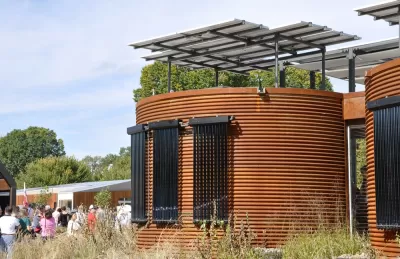
Energy is less prone to partisan politics, according to an article by Catherine Morehouse, who analyzes the batch of clean energy laws approved by voters this week, among so many other issues of direct relation to the work of planners and urban designers.
"Two state-level ballots on clean energy have passed. One in Nevada reinforces a renewable portfolio standard (RPS) passed in the recent wave of state clean energy commitments," reports Morehouse. "Another in New Mexico will upend the state's regulatory body that previously sought to undermine the state's clean energy law, in the eyes of its governor, the legislature and clean energy advocates."
"Meanwhile, cities are continuing their push to pursue aggressive clean energy goals. Columbus, OH established a community choice aggregation program that will have American Electric Power (AEP) provide the city with net-100% renewable energy by 2023. Denver voters have affirmed an increased sales tax that will fund emissions-reducing projects," adds Morehouse.
One area where Morehouse says the cause of clean energy did not score a clear victory was Measure 2C in Boulder, Colorado. Instead of setting up a municipal energy utility, Boulder will now be forced to pressure Excel Energy to meet the city's renewable energy goals—a cause which Morehouse reports Boulder has a track record of success.
More details on Nevada Question 6, New Mexico Amendment 1, Columbus Issue 1, Denver Question 2A, and Boulder Question 2C are included in the source article.
FULL STORY: 5 ballot initiatives poised to propel states, cities to 100% clean energy

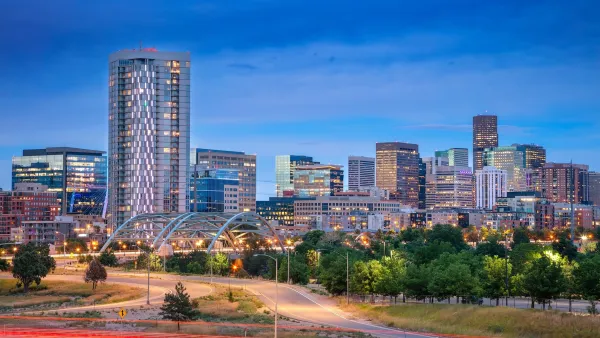
Denver is building a sewage-powered thermal energy network
A proposed thermal energy network will harness heat from the earth and from wastewater to power renewable heating and cooling systems.
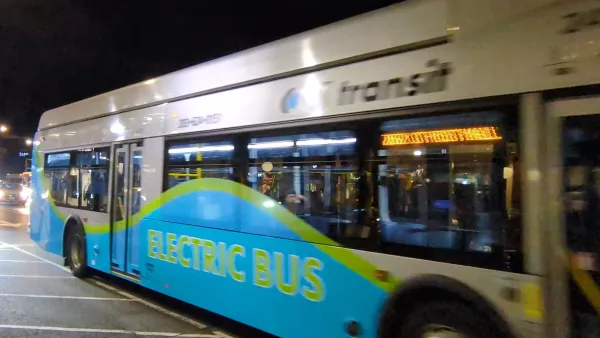
US Transit Fleets Have Bought Over 8,000 Zero-emission Buses
The number of zero-emission transit vehicles grew by 16 percent between 2024 and 2025.
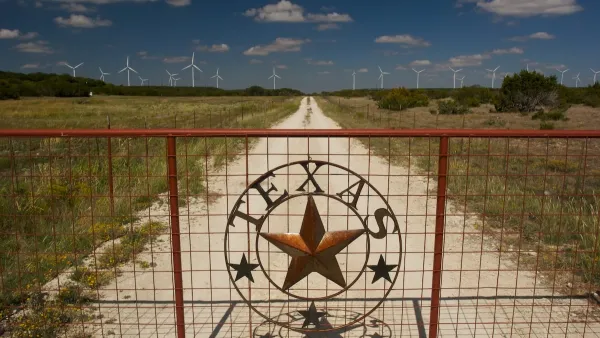
Texas Rural Communities Could Lose Billions From Renewable Energy Tax Credit Cuts
Texas produces more solar and wind energy than anywhere in America — and the tax revenue from it pays for rural schools, hospitals, law enforcement and more. The One Big Beautiful Bill threatens that.

Planetizen Federal Action Tracker
A weekly monitor of how Trump’s orders and actions are impacting planners and planning in America.

The state-sanctioned urbicide of Austin
People don’t kill cities. Freeways do.

US to reduce Colorado River water deliveries to Mexico
A new Colorado Treaty amendment reduces Mexico’s Colorado River water allocation by 250,000 acre feet.

5 New England states march closer to 800 megawatt wind energy project
Securing federal approval for the project may be complicated under the Trump administration, which has historically been hostile towards domestic wind power.

Baltimore to break ground on $50 million Transit Priority Project
The project will bring faster bus trips, safer streets and better bike connections to Baltimore.

Airbnb launches $250 million 'last-dollar financing' housing accelerator, makes first investment in Austin
The company will put $6.4 million towards affordable housing development in Texas’ capital.

FREE Course: Walkable City 1: Why Walkability?
After describing his path towards focusing on walkability as the essence of good planning, Jeff Speck marches through his five principal reasons for making more walkable places.
Reinventing Malls: Planning Alchemy—Turning Gray Fields Into Gold
The course focuses on the opportunities and imperatives that shape reinvention of mall sites.

Eagle County Government
Harvard University Graduate School of Design
Nashville Planning Department
The Architects Foundation
University of Cincinnati Online
The Pocatello Development Authority
The Urban Renewal Agency of the City of Pocatello
Journal of the American Planning Association