The Los Angeles Dodgers and the Dodgers Foundation will renovate an unplayable ballfield into a new Dodgers Dreamfield, which will serve almost 3,500 youth in the surrounding community.


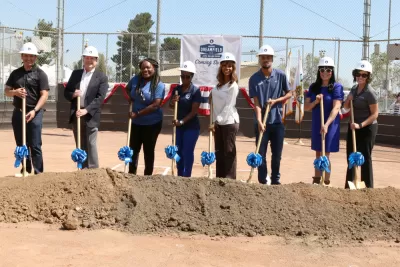
A new baseball field is coming to William Mead Homes, a public housing development located within the Chinatown neighborhood of Los Angeles. Located less than two miles from Dodger Stadium, William Mead Homes is home to over 400 low-income families.
As reported by Christina Fuoco-Karasinski, the Los Angeles Dodgers and the Dodgers Foundation will renovate a currently unplayable ballfield into a new Dodgers Dreamfield, which will be a safe and state-of-the-art space to play for more than 200 Boys & Girls Club members and nearly 3,500 youth in the surrounding community. This exciting project is being delivered in partnership with Boys & Girls Clubs of West San Gabriel Valley and the Housing Authority of the city of Los Angeles.
Through its Dreamfields program, the Dodgers Foundation builds and refurbishes baseball and softball fields in underserved communities across Los Angeles, which provides families with safe havens and points of pride in their own neighborhoods. Dreamfields revitalize green spaces and re-energizes the community's involvement in baseball and softball, while boosting the safety of local parks and providing a place where neighbors can gather, exercise, and play.
The Dreamfield at William Mead will be the Dodger Foundation's 54th project, but it is more than just a number. As Nichol Whiteman, chief executive officer of the Foundation, said, “The community is so important to us. William Mead has a Boys and Girls Club. Major League Baseball has had a national partnership with them for many years...This project is very important to us."
FULL STORY: Chinatown’s William Mead Homes awaiting ballfield, renovations

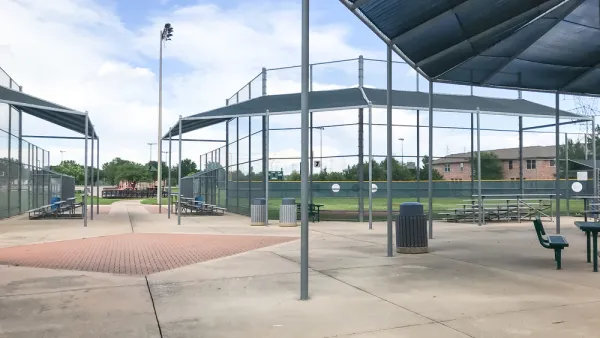
No Place to Play During the Pandemic
Youth sports in America have been devastated by the coronavirus which prompted the shutdown of programs and facilities for play and practice.
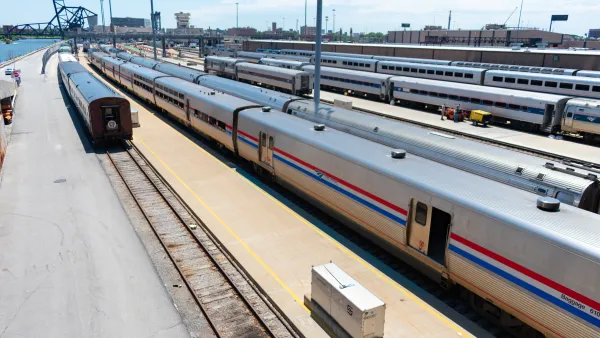
Chicago Amtrak funding makes way for new White Sox stadium
The new funding is the first step in Amtrak vacating its 14th Street rail yard, the future development site of a new baseball stadium.
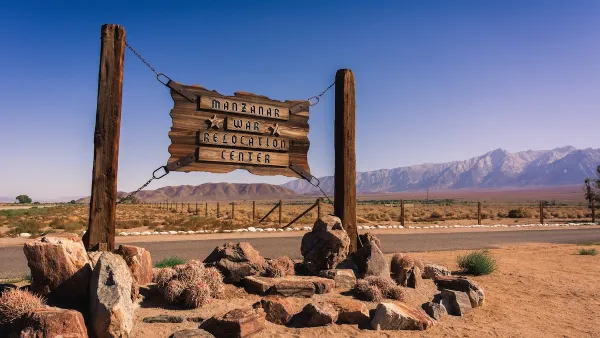
Rebuilding Hope: Restoring Manzanar's Baseball Field
Los Angeles artist Dan Kwong is leading a project to restore the baseball field at the Manzanar National Historic Site, honoring the resilience of Japanese Americans incarcerated there during World War II.

The state-sanctioned urbicide of Austin
People don’t kill cities. Freeways do.

US to reduce Colorado River water deliveries to Mexico
A new Colorado Treaty amendment reduces Mexico’s Colorado River water allocation by 250,000 acre feet.

New Jersey’s second-largest city bans standalone data centers
Jersey City will continue to allow co-location facilities, such as those meant for research institutions that store their own data.

Amtrak not solely to blame for New Jersey commuter rail's unreliability, report finds
A new study from the Garden State Initiative found that NJ Transit’s budget grew 20% across a 4 year period, but reliability declined significantly over the same period.

EPA erases limits on planet-warming pollution from power plants
Under Monday’s plan, power plants would still have some limits on how much mercury, arsenic and other contaminants they can emit.

Phoenix announces new on-demand transit service, more frequent RAPID buses
Both new services will launch in October, and are part of Phoenix's Project Effective Access Solutions for Easing Congestion.

FREE Course: Walkable City 1: Why Walkability?
After describing his path towards focusing on walkability as the essence of good planning, Jeff Speck marches through his five principal reasons for making more walkable places.
Reinventing Malls: Planning Alchemy—Turning Gray Fields Into Gold
The course focuses on the opportunities and imperatives that shape reinvention of mall sites.

Eagle County Government
Harvard University Graduate School of Design
Nashville Planning Department
The Architects Foundation
University of Cincinnati Online
The Pocatello Development Authority
The Urban Renewal Agency of the City of Pocatello
Journal of the American Planning Association