The Willis Tower in Chicago, once the tallest building in the world, is still making history in superlative terms.


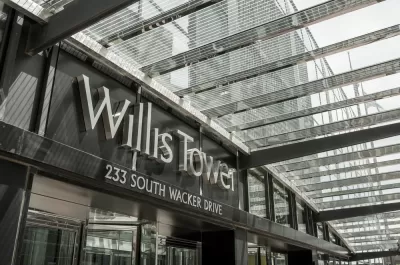
The 110-story Willis Tower, the largest building in the U.S. to have earned LEED Platinum certification, "will be powered with 100 percent renewable energy through a multi-year partnership with Texas-based Dynergy," reports Anca Gagiuc.
"The skyscraper, part of EQ Office—a U.S. office portfolio company owned by Blackstone’s real estate funds—will have electricity sourced from wind parks via renewable energy credits, while keeping costs to tenants consistent," explains Gagiuc of the specifics of the tower's renewable energy plan.
The Willis Tower is underway with a $500 million renovation that resulted in the LEED Platinum designation, according to an article written by Jeff Hamann in December 2019 that documents the green building improvements added during the renovation. The renovation produced a 20 percent reduction in energy consumption for the building, according to Gagiuc.
Although the renovation was planned for completion early in 2020, the progress of the renovation was still being documented on the Internet by photos taken at the beginning of September.
The renovation is creating a new retail, dining, and entertainment destination at the base of Willis Tower, according to earlier reporting by Jay Koziarz.
FULL STORY: Willis Tower to Run on Wind Power

Major Milestone for Chicago-Area Land Bank
The Cook County Land Bank Authority recently participated in its 500th rehab project. Homeowners and entrepreneurs have benefitted along the way.
New Energy Rating System for Chicago Buildings
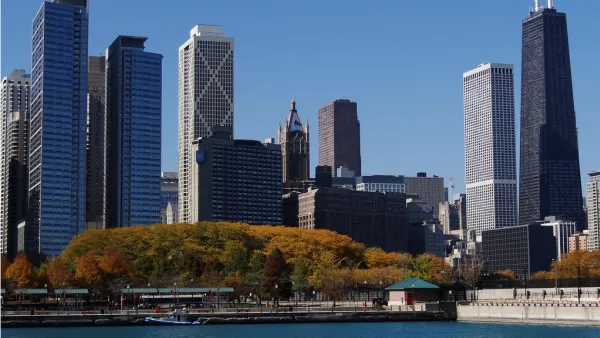
The city will evaluate all buildings over 50,000 square feet and make the energy performance ratings and information easily accessible.
Chicago Sets Goal for 100 Percent Clean Energy by 2040
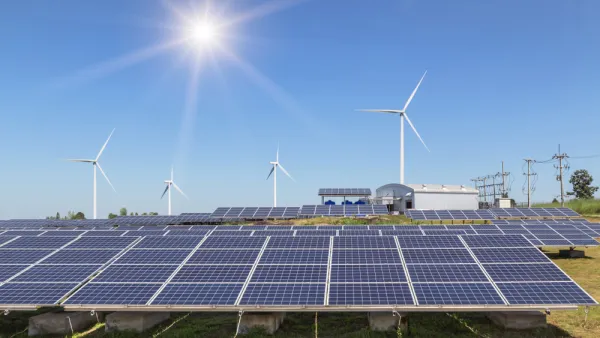
A non-binding resolution is a small step in the direction of clean energy.

Planetizen Federal Action Tracker
A weekly monitor of how Trump’s orders and actions are impacting planners and planning in America.

The state-sanctioned urbicide of Austin
People don’t kill cities. Freeways do.

US to reduce Colorado River water deliveries to Mexico
A new Colorado Treaty amendment reduces Mexico’s Colorado River water allocation by 250,000 acre feet.

Airbnb launches $250 million 'last-dollar financing' housing accelerator, makes first investment in Austin
The company will put $6.4 million towards affordable housing development in Texas’ capital.

Guerilla urbanists are building DIY bus stop benches in Chicago
A before-and-after of one of the bus stops with a new bench. The new benches are not officially sanctioned or permitted, but the residents who placed them hope they will be the start of a network of DIY benches across the city.

Mamdani overhauls NYC's Vision Zero plan with 100 new policy goals
The overhaul aims to reduce traffic deaths and make streets safer for pedestrians, cyclists and drivers through lower speed limits, new safety infrastructure and more.

FREE Course: Walkable City 1: Why Walkability?
After describing his path towards focusing on walkability as the essence of good planning, Jeff Speck marches through his five principal reasons for making more walkable places.
Reinventing Malls: Planning Alchemy—Turning Gray Fields Into Gold
The course focuses on the opportunities and imperatives that shape reinvention of mall sites.

Eagle County Government
Harvard University Graduate School of Design
Nashville Planning Department
The Architects Foundation
University of Cincinnati Online
The Pocatello Development Authority
The Urban Renewal Agency of the City of Pocatello
Journal of the American Planning Association