Some might call it call it asphalt socialism, but public subsidies tend to only go one way in the United States: toward the car.


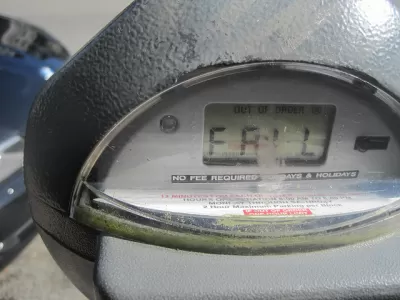
“Everything you need to know about equity and privilege in urban transportation is reflected in how much we charge for parking compared to transit,” writes Joe Cortright in a guest appearance for Streetsblog USA.
This bold claim relies on evidence from a recent study by University of Northern Illinois professor Chris Goodman, who recently compared the price of street parking permits to the price of transit passes in the the nation’s 30 largest cities.
“In every single city, the price of a transit pass exceeds the price of parking by a factor of ten to twenty or more,” reports Cortright. “For the median city in Goodman’s sample, the monthly cost of a parking pass was $2.25, compared to the a cost of $77.00 for a monthly transit pass.” Put another way, in many cities the cost for a street parking permit is less per month than the cost of a single bus ticket.
The findings come with the caveat that most streets in most cities don’t require a parking permit, so the price of parking on the street is usually zero.
The source article includes offers more insight toward informing an understanding of transportation policy in the United States, and its consequences.
Read the full story: It Shouldn’t Cost 31x More To Take Transit Than Park

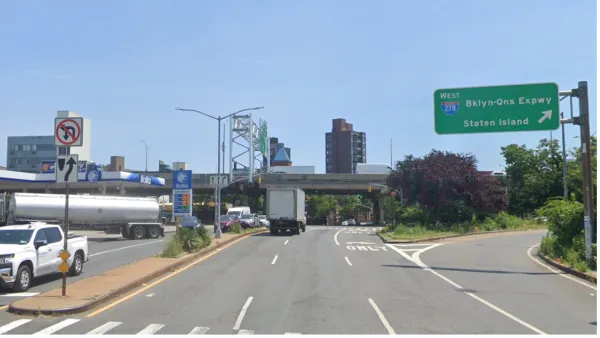
New York Bike Lane Generates Confusion
A compromise road diet with “flex lanes” falls short of its promise.
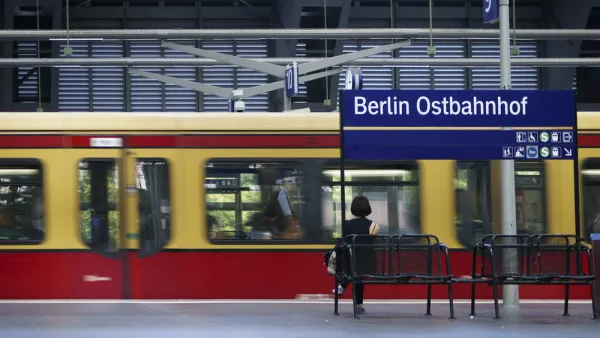
Germany Launches €49 Nationwide Transit Pass
The low-cost monthly ticket is a boon for some commuters and urban travelers, but critics of the program question the lack of investment in expanding train service to underserved rural parts of the country.
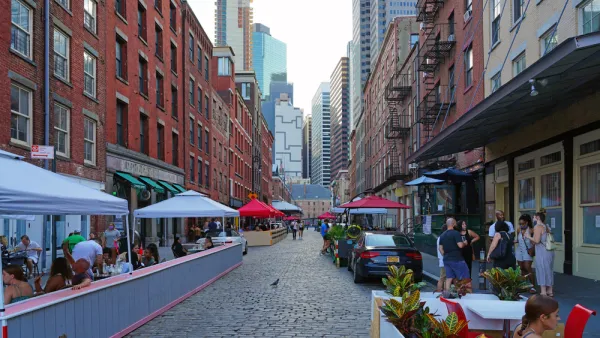
Cities Rethinking the Value of Parking
The effort to reclaim public and private spaces from car storage had some setbacks since the days of al fresco and open streets in the first years of Covid-19. But widespread parking reforms and new evidence shows the public is rethinking parking.

Planetizen Federal Action Tracker
A weekly monitor of how Trump’s orders and actions are impacting planners and planning in America.

The state-sanctioned urbicide of Austin
People don’t kill cities. Freeways do.

Colorado’s Largest Data Center Could Rise Next to Homes — Without a Public Hearing
The proposed campus would consume 11 times the power of Denver International Airport; as it has across the country, opposition mounts.

Nation's most wind-powered state turns to coal as data centers increase energy demand
For the first time in decades, Iowa has increased its generation of coal power.

NYC cools commuters with city's first rain garden above a bus stop
New York City officials say the plants in the rain garden can absorb 16 gallons of rainwater during heavy storms.

Brightline West’s future may rely on $6 billion federal loan
The company has until Nov. 2 to make a $400 million equity investment into its proposed high-speed rail line.

FREE Course: Walkable City 1: Why Walkability?
After describing his path towards focusing on walkability as the essence of good planning, Jeff Speck marches through his five principal reasons for making more walkable places.
Reinventing Malls: Planning Alchemy—Turning Gray Fields Into Gold
The course focuses on the opportunities and imperatives that shape reinvention of mall sites.

Greater Baltimore Committee
Eagle County Government
Harvard University Graduate School of Design
The Architects Foundation
University of Cincinnati Online
The Pocatello Development Authority
The Urban Renewal Agency of the City of Pocatello
Journal of the American Planning Association