The city of Chicago continues to see a decline in population, including tens of thousands of African-Americans who have left in recent years.


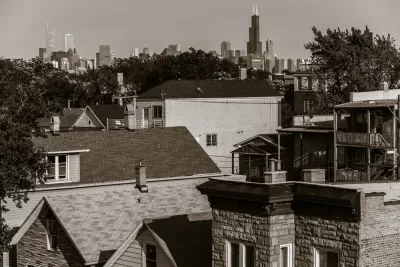
"Chicago saw its population decline in 2018, the fourth year in a row. Since 2015, almost 50,000 black residents have left," writes Julie Bosman. She explores the exodus of African-Americans from Chicago through the experience of three generations of the White family.
The Whites have owned a house on the city’s West Side since the 1960s, but some family members have stayed while others have moved to the suburbs or cities far from Chicago.
For the older members of the White family, leaving Chicago was not their first choice. Others saw educational and economic opportunities outside of the city, including in places such as Houston. They say that they do not regret leaving and do not anticipate ever returning.
"[Blacks] have been driven out of the city by segregation, gun violence, discriminatory policing, racial disparities in employment, the uneven quality of public schools and frustration at life in neighborhoods whose once-humming commercial districts have gone quiet, as well as more universal urban complaints like rising rents and taxes," says Bosman.
FULL STORY: Black Families Came to Chicago by the Thousands. Why Are They Leaving?

The Crucial Role of Suburban Voters in the Midterms
Suburban voters were instrumental in preventing a 'red wave' on Election Day and on December 6 in the Georgia U.S. Senate runoff election, enabling the Democrats to win a 51st Senate seat.
Chicago Suburbs Luring Back Major Employers
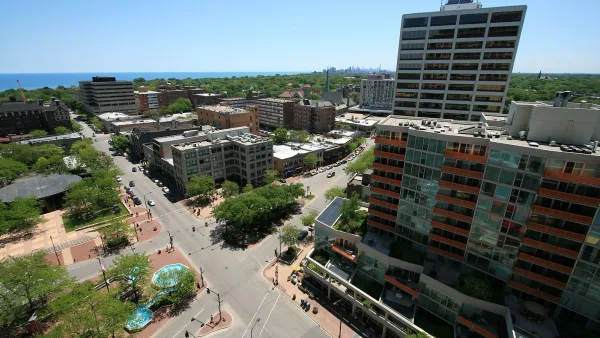
As more workers move away from the central city due to high costs and remote work opportunities, companies that once relocated downtown are eyeing Chicago’s suburbs once again.
Houston Area's Center of Gravity Shifts Outside the Loop
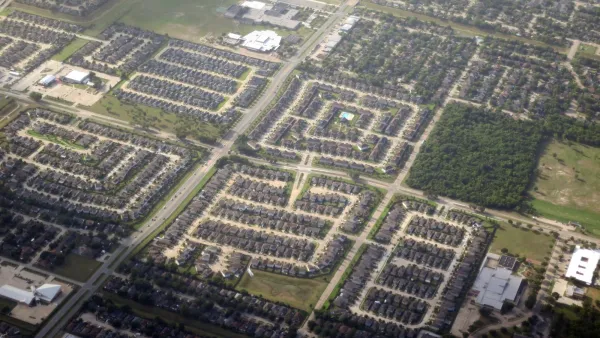
The population center of Harris County is now outside central Houston, a shift that occurred over the last two decades as the region's suburbs blossomed.

Planetizen Federal Action Tracker
A weekly monitor of how Trump’s orders and actions are impacting planners and planning in America.

The state-sanctioned urbicide of Austin
People don’t kill cities. Freeways do.

US to reduce Colorado River water deliveries to Mexico
A new Colorado Treaty amendment reduces Mexico’s Colorado River water allocation by 250,000 acre feet.

5 New England states march closer to 800 megawatt wind energy project
Securing federal approval for the project may be complicated under the Trump administration, which has historically been hostile towards domestic wind power.

Baltimore to break ground on $50 million Transit Priority Project
The project will bring faster bus trips, safer streets and better bike connections to Baltimore.

Airbnb launches $250 million 'last-dollar financing' housing accelerator, makes first investment in Austin
The company will put $6.4 million towards affordable housing development in Texas’ capital.

FREE Course: Walkable City 1: Why Walkability?
After describing his path towards focusing on walkability as the essence of good planning, Jeff Speck marches through his five principal reasons for making more walkable places.
Reinventing Malls: Planning Alchemy—Turning Gray Fields Into Gold
The course focuses on the opportunities and imperatives that shape reinvention of mall sites.

Eagle County Government
Harvard University Graduate School of Design
Nashville Planning Department
The Architects Foundation
University of Cincinnati Online
The Pocatello Development Authority
The Urban Renewal Agency of the City of Pocatello
Journal of the American Planning Association