California started the decade with a recession and hangover from rampant development in the 2000s. What ensued was an economic boom like none other. Meanwhile, its cities developed only incrementally, spiraling into a catastrophic housing shortage.


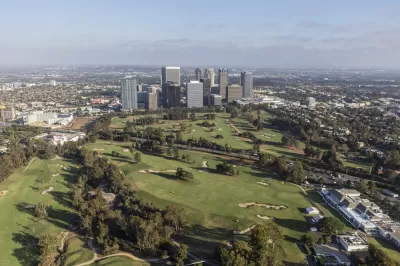
"California of the 2010s played host to the most potent combination of innovation and finance the world has ever known. We figured out how to build just about anything as long as it was made of gigabytes and lived in the cloud. We built some infrastructure too, like light rail and airport terminals. Building housing, though, was another story."
"The revival of downtowns that swept the nation included California too, fueled by changing demographic trends, new appreciation for urban life, and new distaste for sprawl and driving. That, along with the development of light rail, may be the one bright spot. Many downtown neighborhoods are livelier than ever. Even so, this is a trend that has been in the offing for well more than 10 years and that has moved achingly slowly. You can nearly build a whole city in China in the time it takes to get an alcohol license in California."
"Even amid one of the greatest outpourings of creativity since the invention of the city itself, California of 2020 doesn’t look that much different from California of 2010. The state’s flat population growth, announced just last week, is both a symbol and a result of our statis [sic]. But, many of the changes in the 2010s may yet lead to radically new urban landscapes in this new decade."
Read the full story: Top California Planning Stories of the 2010s


Planetizen Federal Action Tracker
A weekly monitor of how Trump’s orders and actions are impacting planners and planning in America.

The state-sanctioned urbicide of Austin
People don’t kill cities. Freeways do.

US to reduce Colorado River water deliveries to Mexico
A new Colorado Treaty amendment reduces Mexico’s Colorado River water allocation by 250,000 acre feet.

Nation's most wind-powered state turns to coal as data centers increase energy demand
For the first time in decades, Iowa has increased its generation of coal power.

NYC cools commuters with city's first rain garden above a bus stop
New York City officials say the plants in the rain garden can absorb 16 gallons of rainwater during heavy storms.

Brightline West’s future may rely on $6 billion federal loan
The company has until Nov. 2 to make a $400 million equity investment into its proposed high-speed rail line.

FREE Course: Walkable City 1: Why Walkability?
After describing his path towards focusing on walkability as the essence of good planning, Jeff Speck marches through his five principal reasons for making more walkable places.
Reinventing Malls: Planning Alchemy—Turning Gray Fields Into Gold
The course focuses on the opportunities and imperatives that shape reinvention of mall sites.

Eagle County Government
Harvard University Graduate School of Design
Nashville Planning Department
The Architects Foundation
University of Cincinnati Online
The Pocatello Development Authority
The Urban Renewal Agency of the City of Pocatello
Journal of the American Planning Association