The scope of the Atlanta Beltline's effect on the city has astounded most observers, including the person who came up with the idea first.


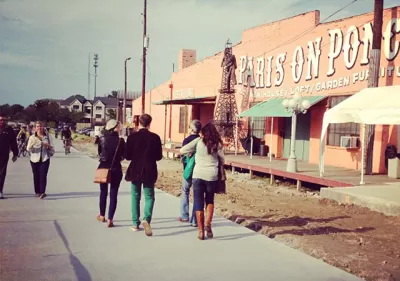
It's been 20 years since Ryan Gravel turned in the master's thesis that would present the idea for the Atlanta Beltline for the first time.
"The project — or more correctly, a series of projects — has astounded even its biggest supporters, bringing more than $5 billion in investment so far. And there is no sign of slowing down," according to an article by Bill Torpy.
The main purpose of the article is for Torpy to check in with Gravel, referred to in the article as "The Beltline Guy," on the 20th anniversary of the thesis that first proposed the idea. For instance, Torpy asks Gravel what people want to know when they discover who he is. Gravel's reply: "They always end up talking about gentrification."
The article details the history of the project (extending back beyond the thesis, by the way) and the movement that built behind the idea
FULL STORY: The Beltline Guy, 20 years after a darn good term paper

Leadership Shakeup at the Atlanta BeltLine
All is not well at the Atlanta BeltLine Partnership, after two prominent board members, including Ryan Gravel, who originally proposed the idea for the BeltLine, resigned this week.

On Atlanta's BeltLine and 21st-Century Infrastructure
In an interview, Atlanta BeltLine visionary Ryan Gravel discusses the ongoing project and how it fits an emerging, multidisciplinary understanding of what good infrastructure can be.
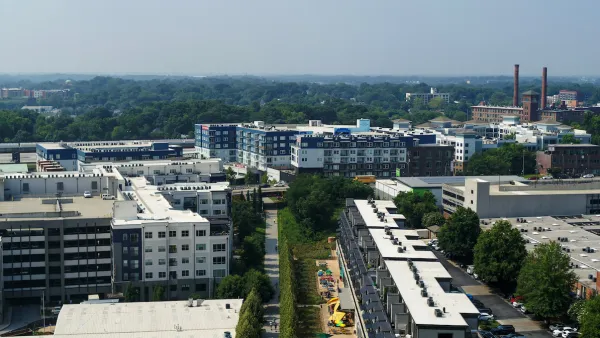
New Study Commissioned for Atlanta BeltLine Transit
The study will assess alignment options for a 13-mile segment of the greenway.

Planetizen Federal Action Tracker
A weekly monitor of how Trump’s orders and actions are impacting planners and planning in America.

The state-sanctioned urbicide of Austin
People don’t kill cities. Freeways do.

US to reduce Colorado River water deliveries to Mexico
A new Colorado Treaty amendment reduces Mexico’s Colorado River water allocation by 250,000 acre feet.

5 New England states march closer to 800 megawatt wind energy project
Securing federal approval for the project may be complicated under the Trump administration, which has historically been hostile towards domestic wind power.

Baltimore to break ground on $50 million Transit Priority Project
The project will bring faster bus trips, safer streets and better bike connections to Baltimore.

Airbnb launches $250 million 'last-dollar financing' housing accelerator, makes first investment in Austin
The company will put $6.4 million towards affordable housing development in Texas’ capital.

FREE Course: Walkable City 1: Why Walkability?
After describing his path towards focusing on walkability as the essence of good planning, Jeff Speck marches through his five principal reasons for making more walkable places.
Reinventing Malls: Planning Alchemy—Turning Gray Fields Into Gold
The course focuses on the opportunities and imperatives that shape reinvention of mall sites.

Eagle County Government
Harvard University Graduate School of Design
Nashville Planning Department
The Architects Foundation
University of Cincinnati Online
The Pocatello Development Authority
The Urban Renewal Agency of the City of Pocatello
Journal of the American Planning Association